Explore And Heal Your Mind soul and body here at MystiConnect!

Willow Bark: The Original Pain-Relieving Bark for Inflammation, Headaches, and Musculoskeletal Relief
When pain and inflammation persist—whether in the joints, muscles, or head—the body often needs measured relief without suppression. Willow bark is one of humanity’s oldest pain-relieving plant medicines, traditionally used to ease discomfort, calm inflammation, and support mobility while allowing the body’s healing processes to continue. This article explores what willow bark is, its science-backed benefits, how it works in the body, and how to use it safely for pain relief, inflammation balance, and recovery.
Landon Thorne
12/30/20255 min read
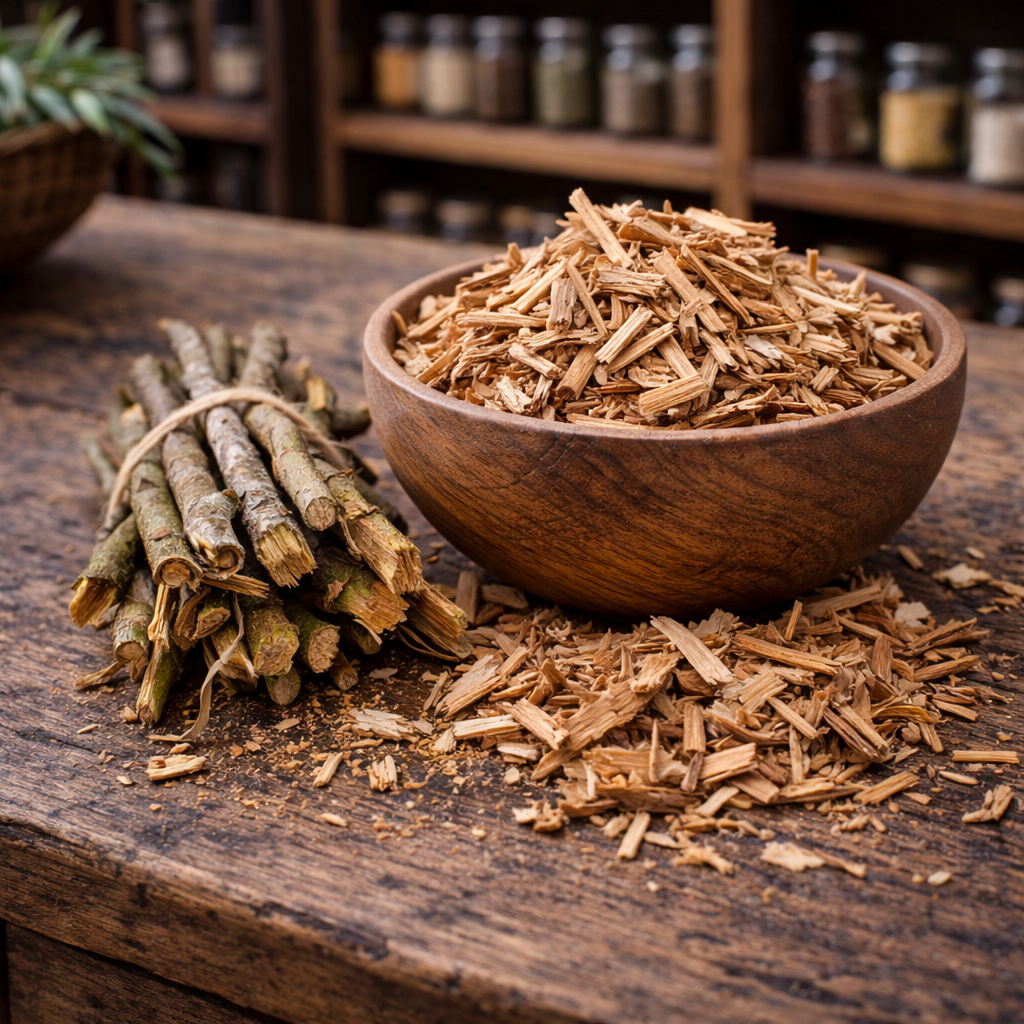

White Willow Bark Benefits, Uses, and Science
White willow bark has been used for thousands of years as a natural remedy for pain, inflammation, and fever. Often called “nature’s aspirin,” this traditional herb contains compounds that support the body’s inflammatory response and help ease discomfort.
Today, white willow bark continues to attract attention from both herbalists and modern researchers for its ability to support joint health, muscle recovery, and overall wellness. This guide explores white willow bark benefits, how it works in the body, and how to use it safely.
What Is White Willow Bark?
White willow bark comes from the tree Salix alba, a species native to Europe and parts of Asia. The medicinal portion of the plant is the inner bark, which has been used in herbal medicine for centuries.
The bark contains salicin, a natural compound that the body converts into salicylic acid. This compound is chemically related to the active ingredient that inspired the development of aspirin.
Traditional healers used white willow bark to help manage pain, inflammation, fever, and headaches, while modern herbal medicine continues to use it as a natural alternative for supporting comfort and mobility.
The Benefits of White Willow Bark
Supports Natural Pain Relief
One of the most well-known white willow bark benefits is its ability to support the body’s natural pain response. The bark contains salicin, a compound that the body gradually converts into salicylic acid, helping regulate inflammatory signals that contribute to discomfort.
Because this conversion happens slowly during digestion and metabolism, white willow bark tends to work more gradually than synthetic pain relievers. Many people find that this slower mechanism provides steady, longer-lasting support rather than a sharp spike followed by a quick drop in relief.
Traditional herbal systems have used white willow bark for centuries to support relief from general aches, joint discomfort, and physical strain, making it one of the most historically respected herbs for natural pain support.
Helps Reduce Inflammation
Inflammation is a natural protective response within the body, but chronic inflammation can contribute to ongoing discomfort and tissue stress. White willow bark contains salicin along with a range of polyphenols and flavonoids that help regulate inflammatory pathways.
These compounds influence enzymes involved in the body’s inflammatory signaling, helping reduce the production of molecules that contribute to swelling, stiffness, and irritation.
By helping the body maintain a healthier inflammatory balance, white willow bark may support relief from muscle tension, joint inflammation, and general inflammatory discomfort that often develops from physical stress or overuse.
May Support Joint Health and Mobility
White willow bark has long been used in herbal medicine to support individuals experiencing joint stiffness or reduced mobility. When inflammation affects joint tissues, it can lead to discomfort, limited range of motion, and gradual wear on cartilage and connective tissue.
The anti-inflammatory compounds found in white willow bark may help support healthier joint function by reducing irritation in surrounding tissues. This can make everyday movement feel smoother and more comfortable.
Because of these properties, herbal practitioners often recommend white willow bark for people dealing with age-related joint stiffness, physically demanding work, or repetitive strain from exercise and activity.
May Help Ease Headaches
Headaches are often connected to inflammation, muscle tension, and changes in blood vessel activity within the head and neck. Historically, white willow bark was commonly used to support relief from headaches and tension that builds in these areas.
The herb’s ability to influence inflammatory pathways may help calm the processes that contribute to certain types of headaches. In addition, white willow bark may support healthy circulation, which can help reduce pressure and tension in the head.
For these reasons, traditional herbal medicine frequently used white willow bark for tension headaches, stress-related headaches, and mild migraine support.
Supports Muscle Recovery
Physical activity places stress on muscles and connective tissues, which can lead to soreness and inflammation as the body repairs itself. White willow bark may help support the body during this recovery process by calming inflammatory responses and easing discomfort.
By supporting a balanced inflammatory response, the herb may allow muscles to recover more comfortably after intense exercise or physical exertion.
Athletes and active individuals sometimes incorporate white willow bark into their wellness routines to support post-exercise recovery, muscle relaxation, and overall physical resilience.
Traditionally Used for Fever Support
In many traditional healing systems, white willow bark was used as a natural fever-support remedy. Fever often arises from inflammatory signals within the body as it responds to infection or illness.
The compounds in white willow bark help regulate these inflammatory processes, which historically made the herb useful for supporting the body during periods of elevated temperature.
While modern medicine now offers pharmaceutical fever reducers, the long history of willow bark use highlights its role in supporting the body’s natural healing responses during illness and immune activation.
How White Willow Bark Works (Science + Physiology)
The primary active compound in white willow bark is salicin, a natural glycoside. Once consumed, salicin is metabolized in the body into salicylic acid, which helps regulate inflammation and pain signaling.
Unlike synthetic aspirin, salicin converts slowly within the body, which may produce a more gradual and sustained effect.
Research suggests that white willow bark works through several physiological pathways:
1. COX enzyme modulation
Salicylic compounds help influence cyclooxygenase (COX) enzymes that are involved in inflammatory signaling.
2. Prostaglandin regulation
By helping regulate prostaglandin production, white willow bark may reduce signals associated with pain and inflammation.
3. Antioxidant support
The bark also contains polyphenols and flavonoids that help neutralize oxidative stress, supporting cellular health.
4. Synergistic plant compounds
Unlike isolated pharmaceutical compounds, whole white willow bark contains multiple bioactive substances that may work together to support the body’s inflammatory balance.
Because of these combined effects, the herb can help support comfort, mobility, and inflammation regulation in a natural and gradual way.
Spiritual and Energetic Perspective
In many traditional healing systems, white willow is associated with soothing and grounding energy. The willow tree itself has long symbolized flexibility, resilience, and emotional release.
Energetically, herbs that reduce inflammation are often associated with cooling and calming properties, helping restore balance when the body or mind is under strain.
From a holistic perspective, white willow bark may support:
Releasing physical tension stored in the body
Restoring balance during periods of stress or overexertion
Supporting emotional resilience and flexibility
Like the willow tree bending in the wind, the herb reminds us that strength often comes through adaptability rather than resistance.
How to Use White Willow Bark
White willow bark can be used in several forms, depending on personal preference and herbal preparation.
Tea or Decoction
1 teaspoon dried bark
1 cup hot water
Simmer for 10–15 minutes
Drink up to 2–3 times daily
Capsules or Powder
Follow product dosage guidelines, typically ranging from 120–240 mg salicin daily.
Tincture
Liquid herbal extracts allow for convenient dosing and rapid absorption.
Typical dosage:
1–2 dropperfuls up to 3 times daily (depending on extract strength).
Safety, Side Effects, and Precautions
While white willow bark is generally considered safe when used appropriately, there are some precautions to keep in mind.
Avoid if allergic to aspirin or salicylates
Not recommended for children or teenagers with viral illnesses
Avoid during pregnancy or breastfeeding
May interact with blood thinners or anti-inflammatory medications
High doses may cause digestive discomfort in sensitive individuals
As with any herbal remedy, it is best to consult a qualified healthcare professional if you have underlying conditions or take medications.
Tips for Beginners
If you are new to white willow bark, a few simple tips can help you get started safely.
Start with a lower dose and observe how your body responds.
Use the herb consistently for several days when addressing inflammation or joint discomfort, as herbal support often works gradually.
Combine white willow bark with other supportive herbs such as turmeric, ginger, or devil’s claw for broader anti-inflammatory support.
Always choose high-quality, properly sourced herbs to ensure safety and potency.
Final Thoughts
White willow bark is one of the oldest natural remedies for pain and inflammation. Its ability to support joint comfort, reduce inflammation, and ease tension has made it a staple in traditional herbal medicine for centuries.
Rather than forcing the body into quick relief, white willow bark works gradually—supporting the body’s own regulatory systems and helping restore balance over time.
For those seeking a more natural approach to comfort and recovery, this ancient herbal ally remains a powerful tool for supporting long-term wellness.
If you're looking for a high-quality preparation, you can explore our White Willow Bark extract here.

Explore
Discover the latest in psychedelics, spirituality, and holistic practices.
Connect
MystiConnect Email:
Owners@MystiConnect.com
© 2026. All rights reserved.
Disclaimer:
The information provided on this website is for informational purposes only and is not intended as medical advice. We are not doctors, and none of the products or statements have been evaluated by the FDA. Always consult with a healthcare professional before starting any new health regimen.
Terms of service
Mystiphone... Coming Soon!