Explore And Heal Your Mind soul and body here at MystiConnect!

Turmeric: The Golden Root for Inflammation Balance, Joint Health, and Cellular Protection
When inflammation becomes chronic—affecting joints, digestion, mood, or long-term health—the body doesn’t need suppression. It needs regulation and resilience. Turmeric is one of the most researched medicinal roots on Earth, revered for its ability to calm inflammation, protect cells, support digestion, and promote long-term vitality. This article explores what turmeric is, its science-backed benefits, how it works in the body, and how to use it safely for inflammation balance, joint comfort, and whole-body protection.
Landon Thorne
12/30/20255 min read
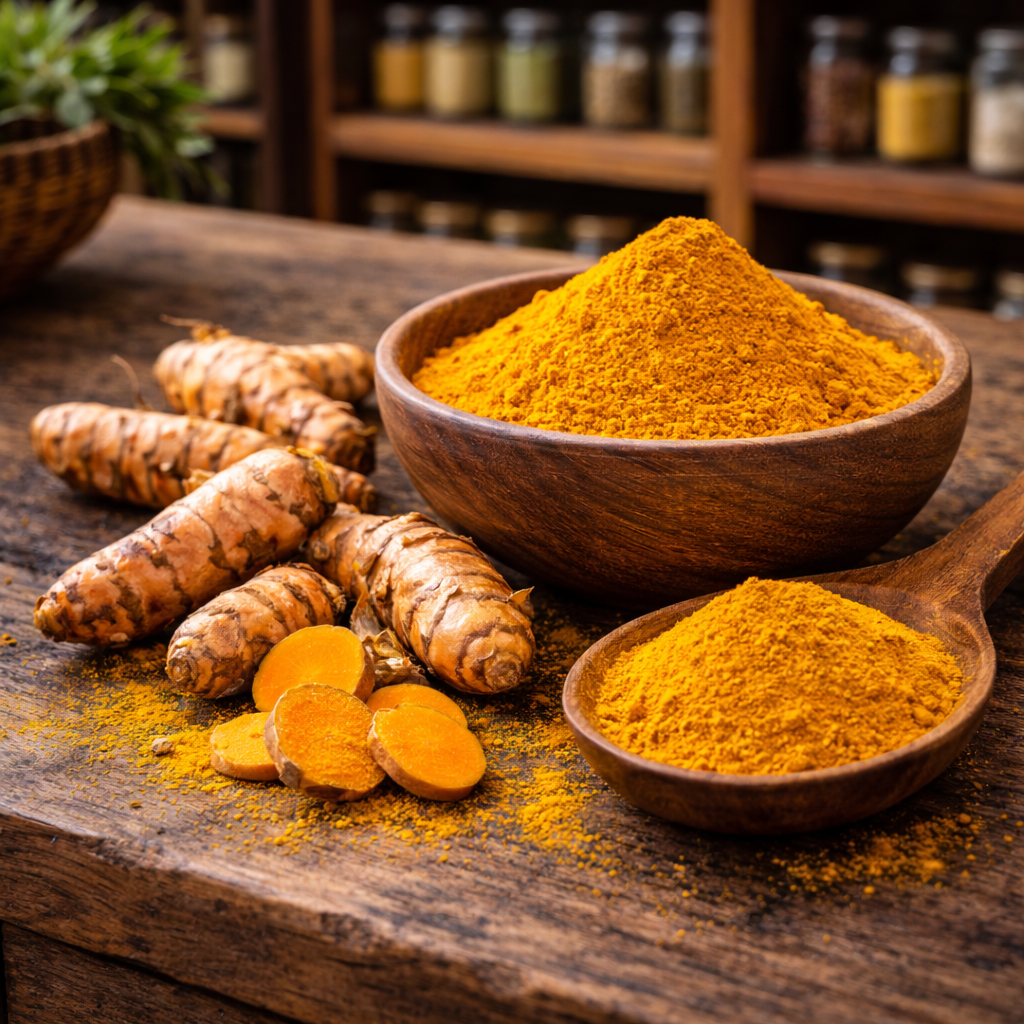
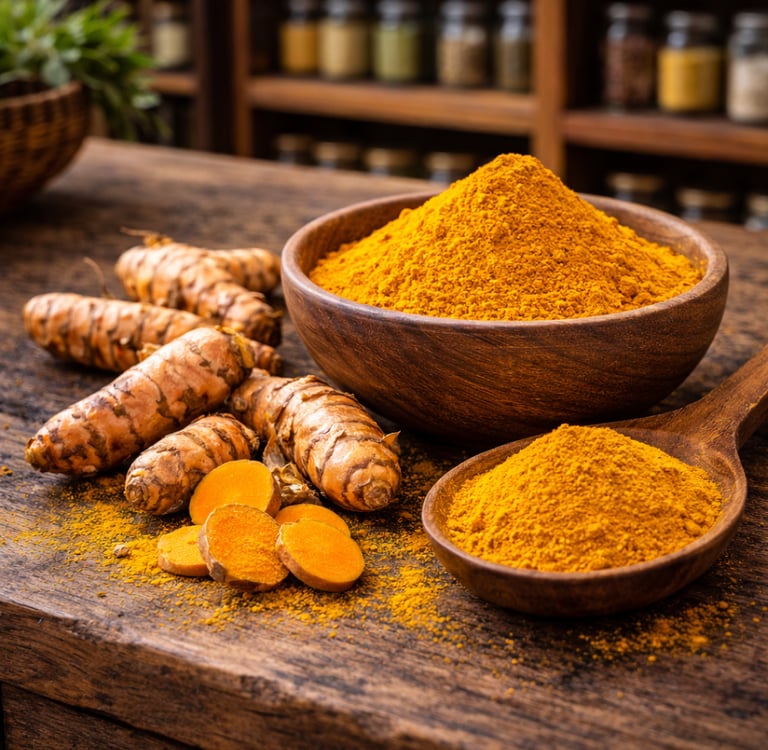
Turmeric: Benefits, Uses, and How This Golden Root Supports Inflammation and Whole-Body Health
Turmeric is one of the most widely studied medicinal herbs in the world. Known scientifically as Curcuma longa, this vibrant golden root has been used for thousands of years in traditional medicine systems such as Ayurveda and Traditional Chinese Medicine.
Traditionally valued for its anti-inflammatory and digestive-supporting properties, turmeric has become a cornerstone herb for supporting joint health, immune balance, and metabolic wellness. In this article, we’ll explore what turmeric is, the key benefits of turmeric, how it works in the body, and how to use this ancient healing root safely.
What Is Turmeric?
Turmeric comes from the rhizome (underground stem) of the plant Curcuma longa, a member of the ginger family. Native to South Asia, turmeric has been used for centuries as both a culinary spice and a medicinal herb.
The bright golden-yellow color of turmeric comes from powerful plant compounds called curcuminoids, which are responsible for many of the herb’s health-supporting effects.
Traditionally, turmeric has been used in herbal tonics, digestive formulas, and anti-inflammatory preparations. It remains a key ingredient in many traditional foods, herbal teas, and wellness blends.
Today, turmeric is widely available in powder form, capsules, tinctures, teas, and extracts.
The Benefits of Turmeric
Supports Healthy Inflammatory Balance
One of the most well-known benefits of turmeric is its ability to support healthy inflammatory responses in the body. The bright golden root contains powerful bioactive compounds called curcuminoids, with curcumin being the most studied.
These compounds help regulate inflammatory pathways in the body by influencing signaling molecules involved in inflammation. Maintaining a balanced inflammatory response is important for protecting tissues and supporting overall health.
By helping regulate inflammation, turmeric may support joint comfort, muscle recovery, and overall tissue health throughout the body.
Supports Joint Health and Mobility
Because of its anti-inflammatory properties, turmeric has long been used to support joint health and physical mobility. When inflammation occurs in joints, it can contribute to stiffness, discomfort, and reduced range of motion.
The curcuminoids found in turmeric help support a balanced inflammatory response in joint tissues. This may help promote greater comfort and flexibility in individuals experiencing occasional joint stiffness.
Many people incorporate turmeric into their wellness routines to support long-term joint health, mobility, and physical activity.
Provides Powerful Antioxidant Protection
Turmeric contains potent antioxidant compounds that help neutralize free radicals, which are unstable molecules that can damage cells and contribute to oxidative stress.
Oxidative stress can occur when the body is exposed to environmental toxins, pollution, poor diet, or chronic inflammation. Over time, this stress can affect cellular health and contribute to aging.
The antioxidants found in turmeric help protect cells from oxidative damage while supporting the body’s natural defense systems. This protective effect contributes to overall cellular resilience and long-term health.
Supports Digestive Health
In traditional herbal medicine systems such as Ayurveda and Traditional Chinese Medicine, turmeric has been widely used to support digestion and gastrointestinal comfort.
Turmeric helps stimulate the production of bile, a digestive fluid produced by the liver that helps break down dietary fats. Proper bile production plays an important role in digestion and nutrient absorption.
By supporting digestive secretions and liver function, turmeric may help promote healthier digestion and reduce occasional digestive discomfort.
Supports Immune Function
Turmeric’s antioxidant and anti-inflammatory compounds also play a role in supporting the immune system. The immune system relies on balanced inflammatory signaling and cellular protection to function effectively.
Curcumin helps regulate immune responses while supporting the body’s natural defense mechanisms against pathogens and environmental stressors.
By supporting immune balance, turmeric contributes to overall resilience and helps the body maintain healthy immune function.
Supports Brain Health
Emerging research suggests that turmeric compounds may support brain health and cognitive function. Curcumin has been studied for its ability to protect neurons from oxidative stress and support healthy inflammatory balance within the nervous system.
These protective effects may help support the long-term health of brain cells and neural communication pathways.
By helping protect brain tissues from oxidative damage, turmeric may contribute to maintaining cognitive resilience over time.
Supports Metabolic Health
Some research suggests turmeric may support metabolic balance by influencing blood sugar regulation and lipid metabolism. Metabolic health plays a central role in maintaining energy balance and overall physiological function.
Turmeric’s bioactive compounds may help support insulin sensitivity and encourage healthy metabolic processes.
By supporting metabolic balance, turmeric may contribute to maintaining stable energy levels and overall metabolic wellness when combined with a balanced diet and active lifestyle.
How Turmeric Works (Science + Physiology)
The medicinal effects of turmeric are largely due to a group of compounds called curcuminoids, the most studied of which is curcumin.
Curcumin has been widely researched for its ability to influence multiple biological pathways related to inflammation and oxidative stress.
One of curcumin’s primary mechanisms involves its ability to influence NF-kB signaling, a pathway involved in inflammatory responses. By helping regulate this pathway, curcumin supports balanced inflammatory activity within the body.
Turmeric also contains volatile oils and other polyphenols that contribute to its antioxidant and digestive-supporting properties.
Curcumin may also support the body’s natural antioxidant defenses by increasing the activity of enzymes that help neutralize oxidative stress.
Another important aspect of turmeric’s physiology is its influence on bile production, which supports digestion and fat metabolism.
Through these mechanisms, turmeric supports joint health, digestive function, immune balance, and cellular protection.
Spiritual + Energetic Perspective
In traditional herbal energetics, turmeric is considered a warming and purifying herb.
Its bright golden color has long symbolized vitality, protection, and renewal in many cultures. In Ayurvedic tradition, turmeric is associated with purification and the support of internal balance.
Energetically, turmeric is believed to support the flow of life force within the body, helping clear stagnation and restore balance.
From a holistic perspective, turmeric supports resilience, renewal, and vitality—helping the body maintain balance in the face of stress.
How to Use Turmeric
Turmeric can be used in many herbal preparations.
Common Forms
Turmeric is available as:
Dried root powder
Fresh root
Herbal tea
Tinctures
Capsules
Extracts
Tea Preparation
Turmeric tea can be prepared by:
Adding ½–1 teaspoon of turmeric powder or sliced fresh root to hot water.
Steeping for 10–15 minutes.
Drinking once or twice daily.
Many people add black pepper to turmeric preparations, as piperine can help enhance curcumin absorption.
Culinary Use
Turmeric can be added to soups, curries, smoothies, and herbal tonics.
Tincture Use
Typical tincture doses range from 10–30 drops, taken one to three times daily depending on the preparation.
Always follow dosage instructions provided on the product label.
Safety, Side Effects, and Precautions
Turmeric is generally considered safe when used in typical culinary or herbal amounts.
High doses may cause digestive discomfort in sensitive individuals.
Individuals with gallbladder conditions should consult a healthcare professional before use.
Turmeric may interact with certain medications, including blood thinners.
Pregnant individuals should consult a healthcare provider before medicinal use.
Always follow recommended dosages.
When used responsibly, turmeric is considered one of the safest and most beneficial medicinal herbs.
Tips for Beginners
If you’re new to turmeric, consider these tips:
Combine turmeric with black pepper to improve absorption.
Add turmeric to soups, curries, or smoothies for daily use.
Try turmeric tea or golden milk as a warming herbal drink.
Use consistently over time to support inflammatory balance.
Choose high-quality organic turmeric from reputable sources.
Final Thoughts
Turmeric is one of the most respected healing herbs in traditional medicine. Its powerful compounds support inflammatory balance, digestion, immune function, and overall cellular health.
Rather than targeting just one system, turmeric works throughout the body to promote resilience and long-term wellness.
When used regularly and thoughtfully, this ancient golden root can be a powerful ally for maintaining vitality and balance.

Explore
Discover the latest in psychedelics, spirituality, and holistic practices.
Connect
MystiConnect Email:
Owners@MystiConnect.com
© 2026. All rights reserved.
Disclaimer:
The information provided on this website is for informational purposes only and is not intended as medical advice. We are not doctors, and none of the products or statements have been evaluated by the FDA. Always consult with a healthcare professional before starting any new health regimen.
Terms of service
Mystiphone... Coming Soon!