Explore And Heal Your Mind soul and body here at MystiConnect!

Seedless Rosehip Benefits for Immune and Skin Health
Discover seedless rosehip benefits including immune support, antioxidant protection, collagen support, and skin health.
Dylan Seybold
3/14/20264 min read
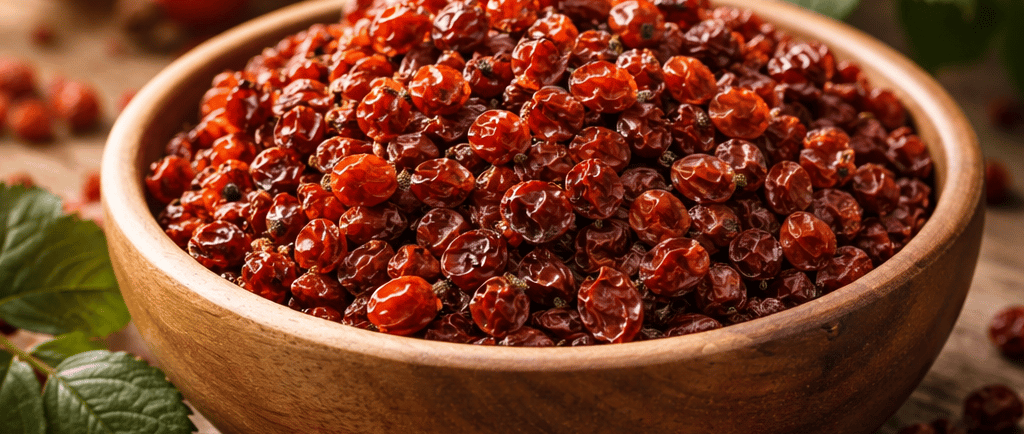
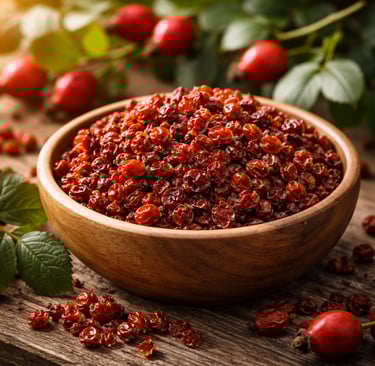
Seedless Rosehip: Benefits, Uses, and How This Nutrient-Rich Herbal Fruit Supports Immune and Skin Health
Seedless rosehip is a nutrient-rich herbal preparation made from the fruit of the wild rose plant, typically from species such as Rosa canina. Rosehips form after rose flowers bloom and are widely valued in herbal medicine for their high vitamin content and antioxidant compounds.
When the seeds are removed, the remaining rosehip pulp becomes easier to digest and use in teas, powders, and herbal formulations. Seedless rosehip has traditionally been used to support immune health, skin vitality, and overall wellness. In this article, we’ll explore what seedless rosehip is, the key benefits of rosehip, how it works in the body, and how to use this nourishing plant safely.
What Is Seedless Rosehip?
Rosehips are the small, round fruits that develop after rose flowers have bloomed and their petals fall away. These fruits grow on wild rose plants, particularly Rosa canina, which is native to Europe, Asia, and parts of Africa.
The fruit is known for its vibrant red or orange color and its extremely high concentration of vitamin C and other nutrients.
Seedless rosehip refers to rosehip fruit that has had the inner seeds removed, leaving the nutrient-rich outer pulp. Removing the seeds improves digestibility and makes the herb easier to use in powdered or tea forms.
Seedless rosehip is commonly used in herbal teas, powders, extracts, and nutritional blends.
The Benefits of Seedless Rosehip
Supports Immune System Health
One of the most recognized benefits of seedless rosehip is its exceptionally high vitamin C content. Rosehips, the fruit of the rose plant (commonly Rosa canina or Rosa rugosa), are considered one of the richest natural plant sources of vitamin C.
Vitamin C plays a crucial role in supporting immune cell function and helping the body respond to environmental stressors such as pathogens and oxidative stress.
By contributing to healthy immune responses and supporting cellular protection, seedless rosehip may help promote immune resilience and overall wellness.
Provides Powerful Antioxidant Protection
Rosehips contain a wide range of antioxidant compounds, including polyphenols, flavonoids, and carotenoids.
These antioxidants help neutralize free radicals, which are unstable molecules that can damage cellular structures and contribute to oxidative stress.
By reducing oxidative damage, the antioxidants found in rosehips help support cellular protection, tissue health, and long-term physiological balance.
Supports Skin Health and Collagen Production
Vitamin C plays a critical role in collagen synthesis, which is essential for maintaining skin structure, elasticity, and tissue repair.
Collagen is a structural protein that supports the skin, connective tissues, blood vessels, and joints.
Because rosehips provide a natural source of vitamin C and antioxidants, they may help support healthy collagen production, promote skin elasticity, and contribute to overall skin vitality.
Supports Healthy Inflammatory Balance
Rosehip contains plant compounds that may help regulate inflammatory signaling pathways within the body.
Maintaining balanced inflammatory activity is important for protecting tissues and supporting healthy immune responses.
By supporting balanced inflammation, rosehip may contribute to tissue comfort, overall wellness, and long-term physiological stability.
Supports Joint Health
Traditional herbal medicine has used rosehip preparations to support joint comfort and mobility.
Some research suggests that certain compounds in rosehips may help support healthy connective tissues and reduce oxidative stress that affects joint structures.
By supporting connective tissue health and balanced inflammatory activity, rosehip may contribute to improved joint comfort and flexibility.
Supports Digestive Health
Rosehip contains natural dietary fibers and plant compounds that may help support digestive balance.
Dietary fiber plays an important role in maintaining healthy digestion by promoting regular bowel movements and supporting a balanced gut environment.
By supporting digestive function and nutrient absorption, rosehip may contribute to overall metabolic health and digestive comfort.
Supports Heart Health
The antioxidants and polyphenols found in rosehips may support cardiovascular health.
Healthy circulation depends on balanced oxidative stress levels and proper blood vessel function.
By helping protect blood vessels from oxidative damage and supporting healthy circulation, rosehip may contribute to heart health and overall cardiovascular balance.
How Seedless Rosehip Works (Science + Physiology)
Seedless rosehip contains a wide range of bioactive nutrients and plant compounds that contribute to its health-supporting properties.
Key compounds include:
Vitamin C (ascorbic acid)
Polyphenols
Flavonoids
Carotenoids
Galactolipids
Pectin fiber
Vitamin C acts as a powerful antioxidant that helps protect cells from oxidative stress and supports immune function.
Carotenoids and polyphenols also contribute to antioxidant protection and cellular repair.
Galactolipids found in rosehip have been studied for their potential role in supporting healthy inflammatory balance and joint comfort.
Additionally, the natural pectin fiber in rosehips supports digestive health and gut microbiome balance.
Through these mechanisms, seedless rosehip supports immune health, skin vitality, and overall cellular protection.
Spiritual + Energetic Perspective
In many herbal traditions, the rose plant symbolizes love, protection, and nourishment.
Rosehips, as the fruit of the rose, represent the nourishing and restorative aspect of the plant.
Energetically, rosehip is believed to support vitality, emotional warmth, and gentle restoration.
From a holistic perspective, rosehip supports both physical nourishment and emotional well-being by strengthening the body’s vital reserves.
How to Use Seedless Rosehip
Seedless rosehip is versatile and can be used in several herbal preparations.
Common Forms
Seedless rosehip is available as:
Dried fruit
Powder
Herbal tea
Capsules
Extracts
Syrups
Tea Preparation
Rosehip tea can be prepared by:
Adding 1–2 teaspoons of dried seedless rosehip to hot water.
Steeping for 10–15 minutes.
Straining and drinking once or twice daily.
Powder Use
Rosehip powder can be added to:
Smoothies
Herbal drinks
Yogurt
Oatmeal
Typical daily amounts range from 1–2 teaspoons.
Capsules
Capsules provide a convenient option for those who prefer measured doses.
Always follow dosage instructions provided on the product label.
Safety, Side Effects, and Precautions
Seedless rosehip is generally considered safe when used in normal food or herbal amounts.
Large doses may cause mild digestive discomfort.
Individuals prone to kidney stones should monitor high vitamin C intake.
Those taking medications affecting blood clotting should consult a healthcare professional.
Pregnant individuals should consult a healthcare provider before medicinal use.
Moderate consumption is generally well tolerated.
Tips for Beginners
If you’re new to seedless rosehip, consider these tips:
Start with rosehip tea to experience its mild flavor.
Combine with herbs like hibiscus or elderberry for immune blends.
Add rosehip powder to smoothies for daily nutrition.
Choose organic seedless rosehip products for best quality.
Store dried rosehip in a cool, dry place.
Final Thoughts
Seedless rosehip is a nutrient-dense herbal fruit known for supporting immune health, skin vitality, and overall wellness. Rich in vitamin C, antioxidants, and plant compounds, it helps protect cells from oxidative stress while supporting collagen production and tissue repair.
Because it nourishes the body at a foundational level, rosehip is often used as both a food and herbal remedy.
When incorporated into teas, powders, or daily nutrition routines, seedless rosehip can support vitality, resilience, and long-term health.

Explore
Discover the latest in psychedelics, spirituality, and holistic practices.
Connect
MystiConnect Email:
Owners@MystiConnect.com
© 2026. All rights reserved.
Disclaimer:
The information provided on this website is for informational purposes only and is not intended as medical advice. We are not doctors, and none of the products or statements have been evaluated by the FDA. Always consult with a healthcare professional before starting any new health regimen.
Terms of service
Mystiphone... Coming Soon!