Explore And Heal Your Mind soul and body here at MystiConnect!

Sage Benefits for Brain Health and Immune Support
Discover sage benefits including cognitive support, immune health, digestion support, and antioxidant protection.
Dylan Seybold
3/15/20264 min read
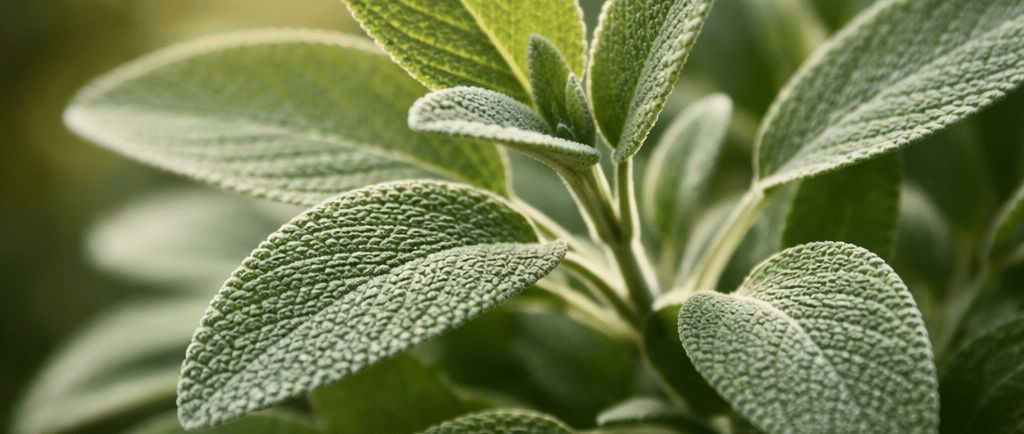
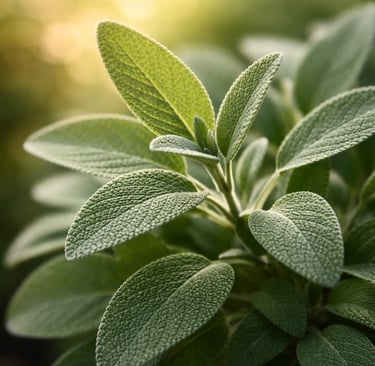
Sage: Benefits, Uses, and How This Ancient Herb Supports Brain Health and Whole-Body Wellness
Sage is a powerful medicinal and culinary herb known for supporting cognitive function, digestive health, and immune balance. Derived from the leaves of the plant Salvia officinalis, sage has been used for thousands of years in traditional medicine systems across Europe, the Mediterranean, and the Middle East.
The name “Salvia” comes from the Latin word salvare, meaning “to heal,” reflecting the plant’s long history as a restorative herb. Traditionally, sage has been used to support memory, digestion, and respiratory health while also serving as a cleansing plant in spiritual practices. In this article, we’ll explore what sage is, the key benefits of sage, how it works in the body, and how to use this ancient herb safely.
What Is Sage?
Sage (Salvia officinalis) is a perennial herb belonging to the mint family (Lamiaceae). Native to the Mediterranean region, the plant is widely cultivated around the world for both culinary and medicinal purposes.
The leaves of the plant are the primary medicinal portion used in herbal preparations.
Sage leaves contain a variety of aromatic compounds and bioactive plant chemicals that contribute to its health-supporting properties. Traditionally, sage has been used in teas, tinctures, extracts, and culinary preparations.
Today, sage remains a popular herb used in herbal medicine, natural wellness routines, and culinary traditions.
.The Benefits of Sage
Supports Brain Health and Memory
One of the most well-known benefits of sage is its association with brain health and cognitive function. Sage (Salvia officinalis) has long been used in traditional herbal medicine to support memory, concentration, and mental clarity.
The herb contains compounds that may help support neurotransmitter activity and healthy circulation to the brain. Proper blood flow helps deliver oxygen and nutrients needed for optimal brain function.
By supporting neurological health and cognitive performance, sage may help promote improved focus, memory retention, and mental clarity.
Supports Healthy Inflammatory Balance
Sage contains plant compounds that may help regulate inflammatory signaling pathways within the body.
Inflammation is a natural biological response involved in immune defense and tissue repair. However, maintaining balanced inflammatory activity is important for long-term health.
By helping regulate inflammatory responses, sage may support healthy tissues and overall physiological balance.
Provides Powerful Antioxidant Protection
Sage contains powerful antioxidants such as rosmarinic acid, flavonoids, and phenolic compounds that help neutralize free radicals.
Free radicals are unstable molecules that can damage cells and contribute to oxidative stress. Over time, oxidative stress may affect tissues throughout the body and contribute to aging and inflammation.
The antioxidants found in sage help protect cellular structures, supporting long-term tissue health and physiological resilience.
Supports Digestive Health
Traditional herbal medicine has used sage to support digestive comfort and digestive function.
Aromatic compounds in sage may help stimulate digestive secretions such as stomach acid and digestive enzymes. These secretions help break down food and support nutrient absorption.
By supporting digestive activity, sage may help promote comfortable digestion and reduce occasional digestive discomfort.
Supports Oral and Throat Health
Sage has historically been used to support oral and throat health. Herbal preparations such as sage teas or gargles have been used to soothe throat irritation and support healthy oral tissues.
The herb contains antimicrobial compounds that may help support oral hygiene and maintain a balanced oral environment.
By supporting healthy tissues in the mouth and throat, sage may contribute to overall oral wellness.
Supports Immune System Function
Sage contains plant compounds that may help support immune system activity.
A properly functioning immune system helps the body respond effectively to environmental stressors such as pathogens and toxins.
By supporting immune responses and providing antioxidant protection, sage may contribute to improved immune resilience and overall health.
Supports Hormonal Balance
Some traditional herbal uses of sage include supporting hormonal balance, particularly during periods of hormonal change.
Compounds in sage may interact with hormone signaling pathways and help support overall endocrine balance.
Balanced hormonal activity plays an important role in mood stability, metabolism, and overall physiological wellness.
How Sage Works (Science + Physiology)
The health-supporting properties of sage come from its diverse range of bioactive compounds.
Important compounds found in sage include:
Rosmarinic acid
Carnosic acid
Carnosol
Flavonoids
Essential oils (including thujone and cineole)
Rosmarinic acid is a powerful antioxidant that helps reduce oxidative stress and supports cellular protection.
Carnosic acid and carnosol are compounds known for their antioxidant and neuroprotective properties, which may help support brain function.
Sage also contains essential oils with antimicrobial properties that contribute to immune and oral health.
Research suggests sage may influence acetylcholine activity, a neurotransmitter involved in memory and cognitive processing.
Through these mechanisms, sage supports cognitive function, immune health, digestion, and overall cellular protection.
Spiritual + Energetic Perspective
In many cultural traditions, sage is considered a sacred plant of purification and wisdom.
Burning sage (often called smudging) has historically been used in ceremonial practices to cleanse spaces and restore energetic balance.
Energetically, sage is associated with clarity, protection, and spiritual awareness.
From a holistic perspective, sage supports purification of both the physical body and the energetic environment.
How to Use Sage
Sage can be used in several herbal preparations.
Common Forms
Sage is available as:
Dried leaf
Fresh leaves
Herbal tea
Tinctures
Capsules
Essential oil
Tea Preparation
Sage tea can be prepared by:
Adding 1 teaspoon of dried sage leaves to hot water.
Steeping for 10–15 minutes.
Straining and drinking once or twice daily.
Culinary Use
Sage is widely used as a culinary herb and can be added to:
Soups
Roasted vegetables
Meat dishes
Herbal broths
Culinary use provides both flavor and nutritional benefits.
Herbal Mouth Rinse
Sage tea can be used as a natural mouth rinse to support oral health.
Allow the tea to cool before rinsing.
Safety, Side Effects, and Precautions
Sage is generally considered safe when used in normal culinary or herbal amounts.
Excessive use of sage essential oil may be harmful due to thujone content.
Large medicinal doses should be used cautiously.
Pregnant individuals should consult a healthcare provider before medicinal use.
Always follow recommended dosages.
Using sage in moderate amounts helps ensure safe use.
Tips for Beginners
If you’re new to sage, consider these tips:
Start with sage tea for a gentle introduction.
Use sage as a culinary herb to incorporate it into meals.
Combine with herbs like rosemary or thyme in herbal blends.
Choose organic sage leaves for best quality.
Store dried sage in an airtight container.
Final Thoughts
Sage is one of the most respected herbs in both traditional medicine and culinary traditions. Its antioxidant compounds, essential oils, and plant nutrients help support cognitive function, digestion, immune health, and overall wellness.
Beyond its physical benefits, sage has long symbolized purification, clarity, and wisdom in spiritual traditions.
When used thoughtfully as both a food and herbal remedy, sage can support mental clarity, immune resilience, and balanced well-being.

Explore
Discover the latest in psychedelics, spirituality, and holistic practices.
Connect
MystiConnect Email:
Owners@MystiConnect.com
© 2026. All rights reserved.
Disclaimer:
The information provided on this website is for informational purposes only and is not intended as medical advice. We are not doctors, and none of the products or statements have been evaluated by the FDA. Always consult with a healthcare professional before starting any new health regimen.
Terms of service
Mystiphone... Coming Soon!