Explore And Heal Your Mind soul and body here at MystiConnect!

Rhodiola Rosea Benefits for Energy and Stress Resilience
Discover rhodiola rosea benefits including energy support, mental focus, mood balance, and stress resilience.
Dylan Seybold
3/13/20265 min read
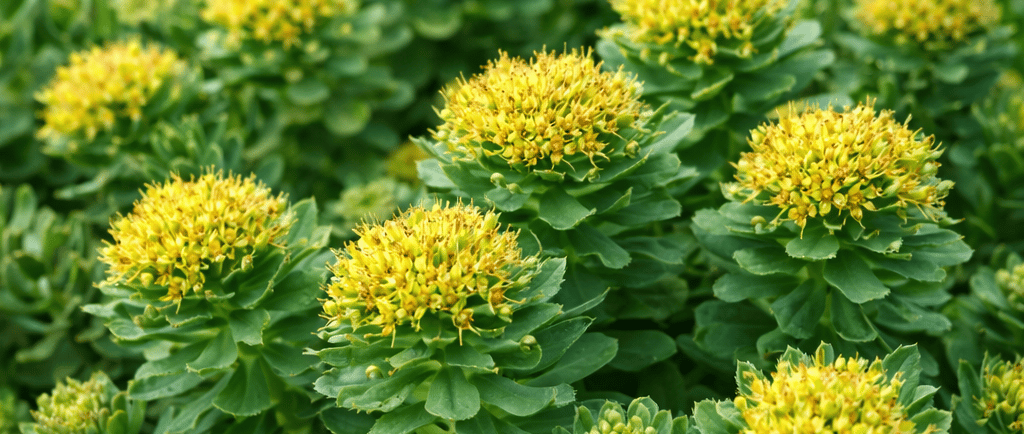
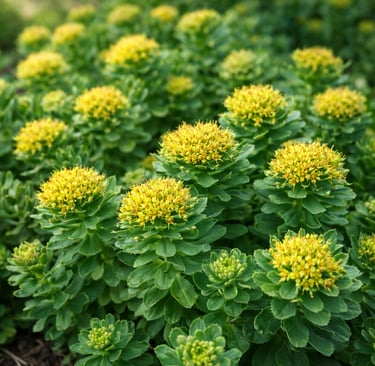
Rhodiola Rosea: Benefits, Uses, and How This Adaptogenic Herb Supports Energy, Focus, and Stress Resilience
Rhodiola rosea is a powerful adaptogenic herb known for supporting energy, mental performance, stress resilience, and overall vitality. Derived from the root of the plant Rhodiola rosea, this herb has been used for centuries in traditional European, Russian, and Asian herbal medicine.
Often called golden root or Arctic root, rhodiola naturally grows in cold mountainous regions and harsh climates, reflecting its traditional use as an herb that helps the body adapt to physical and emotional stress. Modern research continues to explore rhodiola’s unique compounds and how they influence stress response systems, brain function, and cellular energy production. In this article, we’ll explore what rhodiola rosea is, the key benefits of rhodiola rosea, how it works in the body, and how to use this traditional herb safely.
What Is Rhodiola Rosea?
Rhodiola rosea (Rhodiola rosea) is a flowering plant belonging to the Crassulaceae family. It grows naturally in cold, mountainous regions across Europe, Asia, and North America, particularly in areas such as Siberia and the Arctic.
The root of the plant is the medicinal portion most commonly used in herbal medicine.
Traditional herbal systems have used rhodiola to support endurance, mental performance, and resistance to fatigue. Russian researchers studied rhodiola extensively during the 20th century for its potential to support physical stamina, cognitive function, and stress adaptation.
Today, rhodiola root is widely available in capsules, tinctures, powders, teas, and standardized extracts.
The Benefits of Rhodiola Rosea
Supports Stress Adaptation
One of the most well-known benefits of Rhodiola rosea is its adaptogenic ability to help the body respond to stress. Rhodiola is classified as an adaptogenic herb, meaning it helps regulate the body’s stress response systems and supports physiological balance during periods of physical, mental, or emotional strain.
Adaptogens help regulate systems such as the hypothalamic–pituitary–adrenal (HPA) axis, which controls stress hormones like cortisol. When these systems remain balanced, the body is better able to maintain energy levels, mental clarity, and emotional stability under demanding conditions.
By helping stabilize the body’s response to stress, rhodiola may support resilience and overall well-being.
Supports Energy and Reduces Fatigue
Rhodiola has traditionally been used to support physical endurance and reduce fatigue. In many herbal traditions, rhodiola was used as a tonic herb for individuals facing physical exhaustion, environmental stress, or demanding workloads.
The herb contains bioactive compounds such as rosavins and salidroside, which may help support cellular energy production and mitochondrial function.
By supporting the body’s natural energy systems, rhodiola may help reduce feelings of fatigue and promote sustained energy during periods of physical or mental strain.
Supports Mental Focus and Cognitive Performance
Rhodiola has historically been used to enhance concentration, focus, and mental clarity. Stress and fatigue can impair cognitive performance, affecting memory, reaction time, and attention span.
Some research suggests rhodiola may help support neurotransmitter balance and improve blood flow to the brain, which contributes to improved cognitive performance.
By supporting nervous system function and energy metabolism, rhodiola may help improve focus, concentration, and overall mental stamina.
Supports Mood and Emotional Balance
Rhodiola contains plant compounds that may help regulate neurotransmitters involved in mood regulation, including serotonin, dopamine, and norepinephrine.
Balanced neurotransmitter activity is important for maintaining emotional stability and mental resilience during periods of stress.
By supporting healthy neurotransmitter signaling and stress regulation, rhodiola may help promote improved mood, emotional balance, and psychological resilience.
Supports Physical Endurance
Traditional herbal medicine has used rhodiola to support physical performance and recovery from exertion.
Healthy energy metabolism and efficient oxygen utilization play important roles in physical endurance and stamina. Some research suggests that rhodiola may help improve the body’s ability to adapt to physical exertion.
By supporting energy production and stress resilience, rhodiola may contribute to improved endurance and recovery after physical activity.
Provides Antioxidant Protection
Rhodiola contains antioxidant compounds that help neutralize free radicals within the body.
Free radicals are unstable molecules that can damage cellular structures and contribute to oxidative stress. Over time, oxidative stress may impact tissues throughout the body and contribute to aging and inflammation.
The antioxidants found in rhodiola help support cellular protection, promoting long-term tissue health and physiological resilience.
Supports Healthy Inflammatory Balance
Plant compounds found in rhodiola may help regulate inflammatory signaling pathways within the body.
Inflammation is a natural biological response that supports immune defense and tissue repair. However, maintaining balanced inflammatory activity is important for long-term health.
By supporting balanced inflammatory responses, rhodiola may help promote healthy tissues, immune balance, and overall physiological stability.
How Rhodiola Rosea Works (Science + Physiology)
The medicinal properties of rhodiola rosea come from several bioactive compounds including rosavins, salidroside, tyrosol, and flavonoids.
Key compounds include:
Rosavin
Salidroside
Tyrosol
Flavonoids
Phenolic compounds
Rosavins and salidroside are believed to influence the body’s hypothalamic–pituitary–adrenal (HPA) axis, which regulates the stress response.
By helping regulate cortisol and stress hormones, rhodiola supports resilience during physical and emotional stress.
Rhodiola may also influence neurotransmitters such as serotonin, dopamine, and norepinephrine, which play roles in mood, motivation, and cognitive performance.
Additionally, rhodiola supports mitochondrial energy production, helping cells generate usable energy more efficiently.
Through these mechanisms, rhodiola supports stress resilience, energy production, cognitive performance, and emotional balance.
Spiritual + Energetic Perspective
In traditional herbal traditions, rhodiola is often associated with strength, resilience, and mental clarity.
Growing in harsh mountain environments, the plant symbolizes endurance and adaptability.
Energetically, rhodiola is believed to help strengthen the body’s internal energy reserves and restore balance during periods of stress or exhaustion.
From a holistic perspective, the herb supports harmony between physical stamina, mental focus, and emotional resilience.
How to Use Rhodiola Rosea
Rhodiola can be used in several herbal preparations.
Common Forms
Rhodiola is available as:
Dried root
Powder
Capsules
Tinctures
Standardized extracts
Herbal teas
Tea Preparation
Rhodiola tea can be prepared by:
Adding 1 teaspoon of dried rhodiola root to hot water.
Simmering for 10–15 minutes.
Straining and drinking once or twice daily.
Because the root is dense, it is often prepared as a decoction.
Capsule or Extract Use
Capsules and standardized extracts provide convenient dosing.
Always follow dosage instructions provided on the product label.
Powder Use
Rhodiola powder may be added to smoothies or herbal tonics.
Typical daily amounts range from 200–600 mg of extract, depending on the preparation.
Safety, Side Effects, and Precautions
Rhodiola rosea is generally considered safe when used appropriately.
High doses may cause restlessness or insomnia.
Individuals sensitive to stimulants should begin with small amounts.
Rhodiola should generally be taken earlier in the day.
Those taking medications affecting mood or blood pressure should consult a healthcare professional.
Pregnant individuals should consult a healthcare provider before medicinal use.
Using moderate doses and high-quality herbal preparations helps ensure safe use.
Tips for Beginners
If you’re new to rhodiola rosea, consider these tips:
Start with small doses to assess tolerance.
Take rhodiola in the morning or early afternoon.
Combine with adaptogenic herbs like eleuthero or schisandra.
Choose standardized extracts containing rosavins and salidroside.
Use consistently over several weeks to observe benefits.
Final Thoughts
Rhodiola rosea is a powerful adaptogenic herb known for supporting energy, mental clarity, and resilience to stress. Its unique compounds help regulate stress responses, support brain function, and enhance cellular energy production.
Rather than acting as a simple stimulant, rhodiola helps the body maintain balance during physical and emotional challenges.
When used thoughtfully and consistently, this ancient mountain herb can support endurance, cognitive vitality, and overall well-being.

Explore
Discover the latest in psychedelics, spirituality, and holistic practices.
Connect
MystiConnect Email:
Owners@MystiConnect.com
© 2026. All rights reserved.
Disclaimer:
The information provided on this website is for informational purposes only and is not intended as medical advice. We are not doctors, and none of the products or statements have been evaluated by the FDA. Always consult with a healthcare professional before starting any new health regimen.
Terms of service
Mystiphone... Coming Soon!