Explore And Heal Your Mind soul and body here at MystiConnect!

Peppermint: The Cooling Digestive and Respiratory Ally for Relief, Clarity, and Comfort
When the body feels overheated, digestion feels tight, or the head and chest feel congested, the system often needs cooling, opening relief rather than stimulation. Peppermint is one of the most versatile herbs in the world—used to ease digestion, clear the breath, calm tension, and restore mental clarity through its cooling, soothing action. This article explores what peppermint is, its science-backed benefits, how it works in the body, and how to use it safely for digestion, breathing, and whole-body comfort.
Landon Thorne
12/22/20255 min read
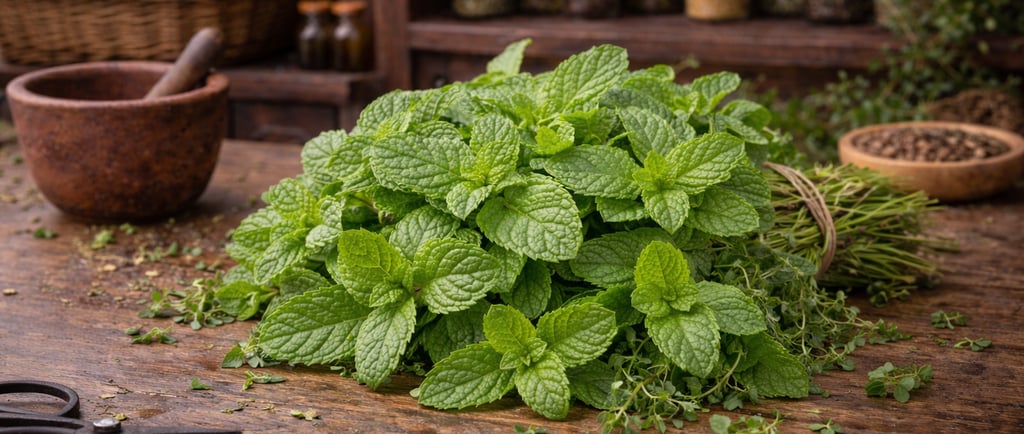
Peppermint: Benefits, Uses, and How This Refreshing Herb Supports Digestion and Respiratory Health
Peppermint is one of the most widely used medicinal herbs in the world, known for its refreshing aroma and powerful therapeutic properties. Scientifically called Mentha × piperita, peppermint has been used for centuries to support digestion, soothe headaches, ease respiratory discomfort, and promote overall wellness.
Today, peppermint is widely studied for its cooling compounds, digestive-supporting effects, and antimicrobial properties. In this article, we’ll explore what peppermint is, the key benefits of peppermint, how it works in the body, and how to use this traditional herb safely.
What Is Peppermint?
Peppermint (Mentha × piperita) is a hybrid plant created from the natural cross between watermint and spearmint. It belongs to the mint family (Lamiaceae), which includes many aromatic herbs used in culinary and medicinal traditions.
Native to Europe and the Middle East, peppermint is now cultivated around the world. The plant has dark green leaves and a strong cooling aroma that comes from its essential oils.
For centuries, peppermint has been used in herbal medicine for digestive complaints, respiratory discomfort, headaches, and muscle tension. Today, peppermint is commonly used as a dried herb, tea, tincture, capsule, and essential oil.
The Benefits of Peppermint
Supports Digestive Health
One of the most well-known benefits of peppermint is its ability to support healthy digestion. For centuries, peppermint has been used in traditional herbal medicine to soothe the digestive system and promote gastrointestinal comfort.
Peppermint contains compounds such as menthol and menthone that help relax the smooth muscles of the digestive tract. When these muscles relax, it can reduce digestive spasms and improve the movement of food through the stomach and intestines.
This relaxing effect may help improve symptoms such as bloating, gas, stomach cramps, and indigestion. Because of these digestive-supporting properties, peppermint is often included in herbal teas and digestive formulas designed to support overall gastrointestinal wellness.
Helps Reduce Bloating and Gas
Peppermint has long been used as a traditional remedy for bloating and gas. Digestive discomfort often occurs when intestinal muscles become tense or when gas becomes trapped within the digestive tract.
By relaxing the muscles that line the intestines, peppermint may help reduce pressure within the digestive system and support smoother movement of digestive contents. This process allows gas to pass more easily and may relieve the uncomfortable sensation of fullness or abdominal tightness.
Because of its gentle yet effective action, peppermint tea is frequently recommended after meals to support digestion and reduce bloating.
Helps Calm Nausea
Peppermint’s refreshing aroma and digestive-supporting properties make it a popular herb for easing nausea. The natural compounds found in peppermint help calm the stomach and support normal digestive function.
Peppermint tea is often used to promote comfort during digestive upset, motion sickness, or mild stomach irritation. The cooling sensation produced by menthol may also help soothe the stomach lining.
Because of its gentle nature, peppermint is widely used as a natural way to help settle the stomach and restore digestive balance.
Supports Respiratory Health
Peppermint contains aromatic compounds that can help support respiratory comfort and clearer breathing. One of the primary active components of peppermint, menthol, produces a cooling sensation that helps open the airways and promote airflow.
This cooling effect can help soothe irritated respiratory tissues and provide a refreshing sensation in the throat and nasal passages. When inhaled through steam or aromatic preparations, peppermint may help promote clearer breathing.
Because of these properties, peppermint is commonly used in herbal preparations designed to support the respiratory system during colds, congestion, or seasonal respiratory irritation.
May Help Relieve Headaches
Peppermint has traditionally been used to help relieve headaches and tension. The cooling compounds found in peppermint, particularly menthol, may help relax muscles and promote circulation in the head and neck.
Improved circulation and muscle relaxation can help reduce tension that contributes to certain types of headaches. For this reason, peppermint oil is sometimes used in topical applications applied to the temples or forehead.
The cooling sensation produced by peppermint may also provide a soothing effect that supports relaxation and comfort during tension-related headaches.
Provides Antimicrobial Support
Peppermint contains natural compounds that demonstrate antimicrobial activity. These compounds may help inhibit the growth of certain bacteria and fungi that can contribute to imbalance within the body.
This antimicrobial activity is one reason peppermint has historically been used to support digestive health, oral hygiene, and immune function.
By helping maintain microbial balance, peppermint may support the body’s natural defenses against harmful microorganisms.
Rich in Antioxidants
Peppermint contains a variety of antioxidant compounds, including flavonoids, rosmarinic acid, and other phenolic compounds. These molecules help neutralize free radicals that can damage cells and contribute to inflammation.
Free radicals are unstable molecules produced during normal metabolism as well as exposure to environmental stressors. When they accumulate in the body, they can contribute to oxidative stress.
The antioxidants found in peppermint help support cellular health by protecting tissues from oxidative damage and supporting the body’s natural defense systems.
How Peppermint Works (Science + Physiology)
The medicinal effects of peppermint come primarily from its essential oil compounds.
The most important compound in peppermint is menthol, which gives the herb its characteristic cooling sensation.
Menthol interacts with TRPM8 receptors, cold-sensitive receptors in the body that create the sensation of cooling. This interaction can help relax smooth muscle tissues and produce a soothing effect in the digestive and respiratory systems.
Peppermint also contains menthone, limonene, rosmarinic acid, and flavonoids, which contribute to its antioxidant and antimicrobial properties.
Research suggests that peppermint oil may help relax the smooth muscles of the gastrointestinal tract. This effect can improve digestive comfort and reduce spasms that contribute to symptoms like bloating and abdominal pain.
Peppermint’s aromatic oils may also help open nasal passages and support airflow in the respiratory tract.
Through these mechanisms, peppermint supports digestion, respiratory comfort, and overall physiological balance.
Spiritual + Energetic Perspective
In traditional herbal energetics, peppermint is considered a cooling and refreshing herb.
Its energetic qualities are associated with clarity, renewal, and mental alertness. The herb’s invigorating aroma has long been used to awaken the senses and promote mental focus.
Energetically, peppermint is believed to help clear stagnation in both the digestive and respiratory systems.
From a holistic perspective, peppermint encourages movement, freshness, and balance—helping restore clarity to both body and mind.
How to Use Peppermint
Peppermint can be used in a variety of herbal preparations.
Common Forms
Peppermint is available as:
Dried herb
Fresh herb
Herbal tea
Tinctures
Capsules
Essential oil
Tea Preparation
Peppermint tea can be prepared by:
Adding 1 teaspoon of dried peppermint leaf to hot water.
Steeping for 5–10 minutes.
Drinking once or twice daily to support digestion or respiratory comfort.
Peppermint tea is naturally refreshing and often enjoyed after meals.
Tincture Use
Typical tincture doses range from 10–30 drops, taken one to three times daily depending on the preparation.
Always follow dosage instructions on the product label.
Safety, Side Effects, and Precautions
Peppermint is generally considered safe when used in normal herbal amounts.
Excessive amounts may cause digestive irritation in sensitive individuals.
Peppermint oil should not be consumed in large quantities.
Individuals with acid reflux (GERD) may experience increased symptoms.
Use caution with peppermint oil around infants and young children.
Always follow recommended dosages.
When used responsibly, peppermint is one of the safest and most versatile medicinal herbs.
Tips for Beginners
If you’re new to peppermint, consider these tips:
Start with peppermint tea, which is gentle and widely tolerated.
Drink peppermint tea after meals to support digestion.
Combine peppermint with herbs like ginger or chamomile for digestive comfort.
Use peppermint tea or steam inhalation to support respiratory health during colds.
Choose high-quality herbs from reputable sources.
Final Thoughts
Peppermint is one of the most versatile herbs in traditional herbal medicine. Its cooling compounds support digestion, respiratory comfort, and mental clarity.
Rather than targeting just one system, peppermint works throughout the body—relaxing digestive muscles, refreshing the breath, and supporting respiratory airflow.
When used regularly and thoughtfully, peppermint can be a simple yet powerful ally for maintaining everyday wellness.

Explore
Discover the latest in psychedelics, spirituality, and holistic practices.
Connect
MystiConnect Email:
Owners@MystiConnect.com
© 2026. All rights reserved.
Disclaimer:
The information provided on this website is for informational purposes only and is not intended as medical advice. We are not doctors, and none of the products or statements have been evaluated by the FDA. Always consult with a healthcare professional before starting any new health regimen.
Terms of service
Mystiphone... Coming Soon!