Explore And Heal Your Mind soul and body here at MystiConnect!

Maca Root Benefits for Energy and Hormonal Balance
Discover maca root benefits including energy support, hormonal balance, reproductive health, and stress resilience.
Landon Thorne
12/20/20255 min read
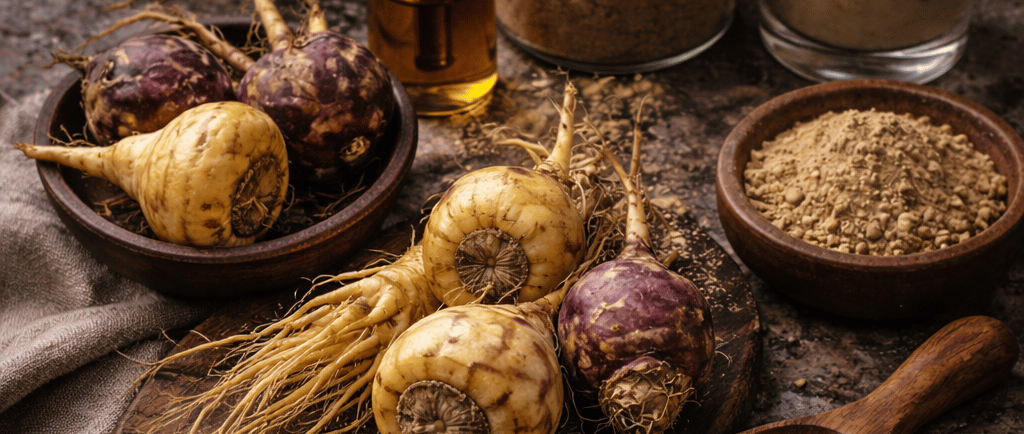
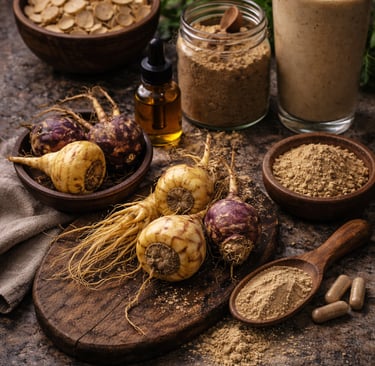
Maca Root: Benefits, Uses, and How This Traditional Herb Supports Energy and Hormonal Balance
Maca root is a traditional adaptogenic herb known for supporting energy, hormonal balance, and reproductive vitality. Derived from the plant Lepidium meyenii, maca has been cultivated for thousands of years in the high Andes mountains of Peru and has long been valued as both a food and a medicinal tonic.
Often referred to as Peruvian ginseng, maca root is widely used to support endurance, libido, and metabolic health. The root contains a unique blend of plant compounds that influence hormone signaling, energy metabolism, and stress resilience. In this article, we’ll explore what maca root is, the key benefits of maca root, how it works in the body, and how to use this traditional herb safely.
What Is Maca Root?
Maca root (Lepidium meyenii) is a cruciferous plant belonging to the Brassicaceae family, which also includes vegetables like broccoli and cabbage. The plant grows in the extreme conditions of the Peruvian Andes at elevations above 13,000 feet.
The tuberous root of the plant is the edible and medicinal portion used in traditional Andean medicine.
For centuries, maca root has been consumed as a nourishing food that supports stamina, fertility, and physical endurance. Indigenous communities have historically used maca to help the body adapt to harsh environmental conditions and maintain strength and vitality.
Today, maca root is widely available as powders, capsules, extracts, and functional food ingredients.
The Benefits of Maca Root
Supports Energy and Endurance
One of the most well-known benefits of maca root is its ability to support energy and stamina. Maca (Lepidium meyenii) is a root vegetable native to the high Andes Mountains of Peru, where it has been cultivated and consumed for thousands of years as a nourishing food and traditional medicinal plant.
Unlike stimulant-based supplements that rely on caffeine or synthetic compounds, maca works by supporting the body’s natural energy metabolism. It helps nourish endocrine and metabolic processes that influence how the body produces and uses energy.
Because of this supportive effect, maca may help improve stamina, reduce fatigue, and enhance resilience to physical stress without causing the crashes often associated with stimulant-based energy products.
Supports Hormonal Balance
Maca root contains unique plant compounds known as macamides and macaenes, which may help support the endocrine system. The endocrine system is responsible for regulating hormones that influence energy, metabolism, mood, and reproductive health.
Rather than directly increasing hormone levels, maca is believed to support balanced hormone signaling by influencing communication between the hypothalamus, pituitary gland, and adrenal glands.
This regulatory effect may help the body maintain balanced hormonal rhythms, which contributes to stable mood, healthy metabolism, and improved physiological balance.
Supports Reproductive Health
Traditional herbal medicine has long used maca root to support reproductive vitality and fertility. In ancient Andean cultures, maca was valued as a nourishing root that helped strengthen reproductive energy in both men and women.
Balanced hormonal activity is essential for reproductive health, as hormones regulate ovulation, sperm production, and overall reproductive function.
By supporting endocrine balance and nutrient metabolism, maca root may contribute to maintaining healthy reproductive tissues and overall reproductive wellness.
Supports Libido and Sexual Wellness
Maca root has historically been used as a natural herb for supporting libido and sexual vitality. Many traditional cultures considered maca a powerful vitality-enhancing food that supported reproductive energy and physical endurance.
Healthy circulation and balanced hormone levels both play important roles in maintaining sexual function and vitality.
By supporting these physiological systems, maca may help promote sexual wellness, reproductive vitality, and overall physical energy.
Supports Mood and Stress Adaptation
Maca is often considered an adaptogenic herb, meaning it may help the body adapt to physical and emotional stress. Adaptogens support the body’s ability to maintain physiological balance during periods of strain.
Chronic stress can affect hormone levels, mood stability, energy metabolism, and cognitive function.
By helping support the endocrine system and the body’s stress-response mechanisms, maca may contribute to improved mood, mental clarity, and emotional resilience.
Provides Antioxidant Protection
Maca contains antioxidant compounds such as polyphenols, flavonoids, and glucosinolates that help protect cells from oxidative stress.
Free radicals are unstable molecules that can damage cellular structures and contribute to inflammation and aging.
The antioxidants found in maca help neutralize these molecules, supporting cellular protection and long-term tissue health.
Supports Athletic Performance
Because of its influence on energy metabolism and endurance, maca is sometimes used by individuals seeking support for athletic performance. Traditional Andean cultures reportedly consumed maca to enhance strength and stamina during physically demanding activities.
By supporting energy production, hormonal balance, and recovery processes, maca may help improve stamina and physical resilience.
These combined effects make maca root a popular natural supplement for individuals looking to support endurance, recovery, and overall physical performance.
How Maca Root Works (Science + Physiology)
The therapeutic properties of maca root come from a variety of bioactive compounds including macamides, macaenes, glucosinolates, and polyphenols.
One of the most unique groups of compounds are macamides and macaenes, which are believed to influence the body’s energy metabolism and stress response.
Maca may also support the hypothalamic-pituitary-endocrine axis, a regulatory system that controls hormone production throughout the body.
Unlike herbs that directly stimulate hormone production, maca appears to help regulate the endocrine system and support balanced hormone signaling.
Additionally, maca contains glucosinolates, plant compounds that contribute to antioxidant activity and cellular protection.
Through these mechanisms, maca root supports energy production, hormonal balance, stress adaptation, and overall vitality.
Spiritual + Energetic Perspective
In traditional Andean herbal traditions, maca is considered a grounding and strengthening root that supports the body’s life force.
Growing in the harsh high-altitude environment of the Andes, the plant symbolizes resilience, endurance, and vitality.
Energetically, maca is associated with strengthening the body’s foundational energy systems and supporting balance in reproductive and metabolic functions.
From a holistic perspective, maca helps restore vitality and strengthen the connection between physical endurance and inner resilience.
How to Use Maca Root
Maca root can be used in several herbal preparations.
Common Forms
Maca is available as:
Root powder
Capsules
Extracts
Tinctures
Functional food ingredients
Powder Use
Maca powder is commonly added to:
Smoothies
Herbal tonics
Oatmeal
Warm beverages
Typical daily amounts range from 1–3 grams, depending on the preparation.
Culinary Use
Maca powder has a naturally earthy, slightly nutty flavor that blends well with smoothies, baked goods, and herbal drinks.
Capsule Use
Capsules provide convenient and consistent dosing for daily supplementation.
Always follow dosage instructions provided on the product label.
Safety, Side Effects, and Precautions
Maca root is generally considered safe when used appropriately.
Excessive intake may cause digestive discomfort.
Individuals with thyroid conditions should consult a healthcare professional before use.
Those with hormone-sensitive conditions should use caution.
Pregnant or breastfeeding individuals should consult a healthcare provider before medicinal use.
Always follow recommended dosages.
When used responsibly, maca root is considered a safe traditional herbal supplement.
Tips for Beginners
If you’re new to maca root, consider these tips:
Start with small doses to assess tolerance.
Add maca powder to smoothies or breakfast foods for easy daily use.
Combine with herbs like ashwagandha or cacao for energy blends.
Choose gelatinized maca powder for easier digestion.
Use consistently over time for best results.
Final Thoughts
Maca root is a powerful traditional adaptogenic herb known for supporting energy, hormonal balance, and reproductive vitality. Its unique combination of bioactive compounds helps regulate endocrine function, support metabolic resilience, and promote overall wellness.
Rather than acting as a stimulant, maca works by nourishing the body’s natural systems of balance and endurance.
When used consistently and thoughtfully, this ancient Andean root can help support long-term vitality, resilience, and overall well-being.

Explore
Discover the latest in psychedelics, spirituality, and holistic practices.
Connect
MystiConnect Email:
Owners@MystiConnect.com
© 2026. All rights reserved.
Disclaimer:
The information provided on this website is for informational purposes only and is not intended as medical advice. We are not doctors, and none of the products or statements have been evaluated by the FDA. Always consult with a healthcare professional before starting any new health regimen.
Terms of service
Mystiphone... Coming Soon!