Explore And Heal Your Mind soul and body here at MystiConnect!

Lobelia: The Powerful Respiratory and Nervous System Reset Herb
Some herbs work gently over time. Others act decisively, interrupting stuck patterns in the body. Lobelia is firmly in the second category. Known historically as a powerful respiratory relaxant and nervous system reset herb, lobelia has been used to break acute tension, open the breath, and restore functional movement where the system feels locked or constrained. This article explores what lobelia is, its traditional and science-informed uses, how it works in the body, and how to use it safely and respectfully, given its strength.
Landon Thorne
12/22/20255 min read
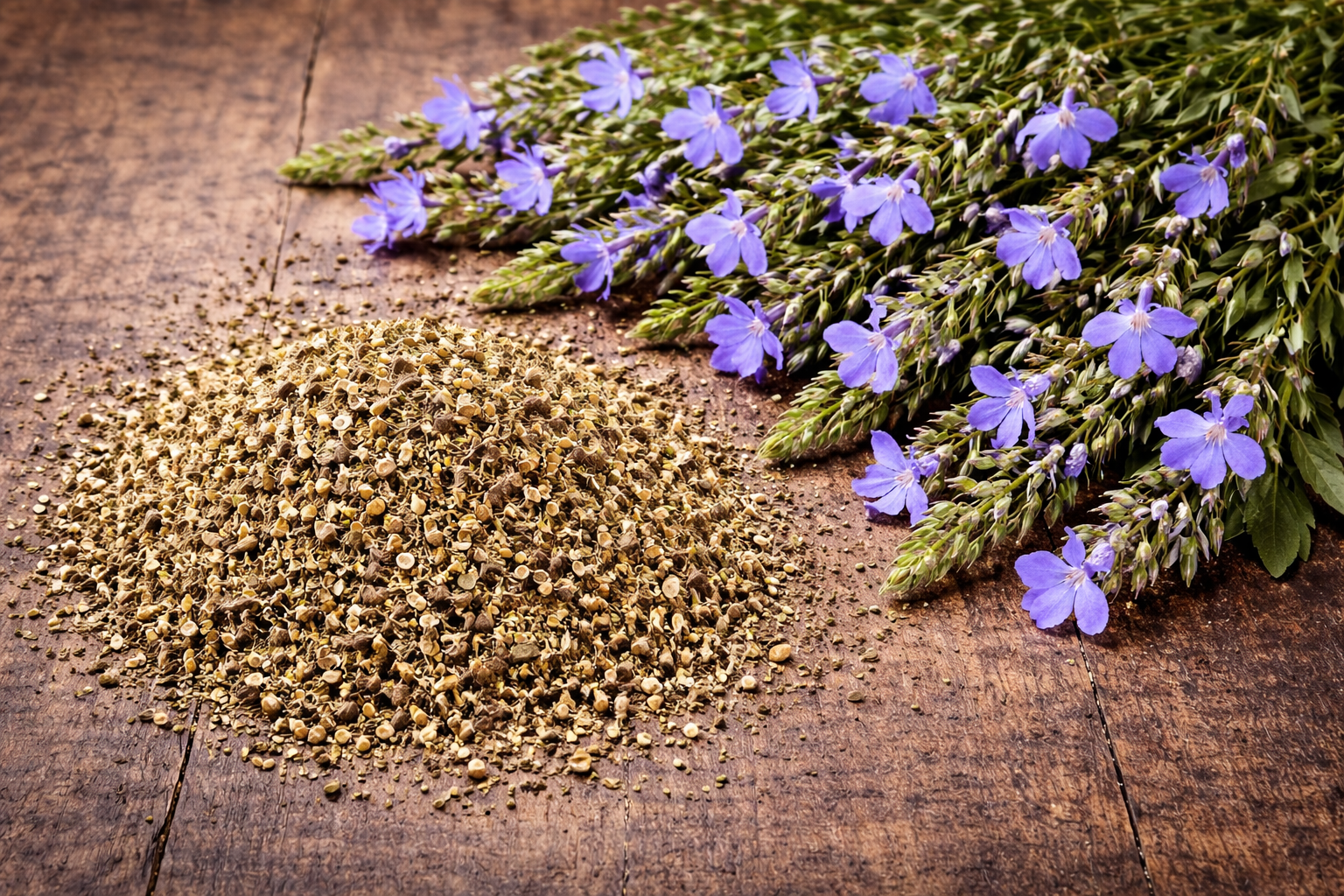
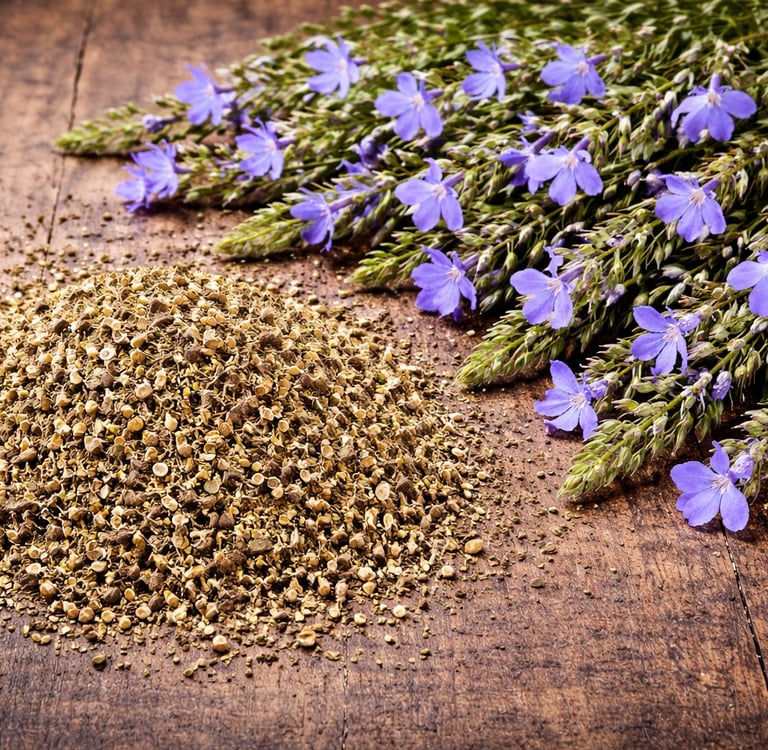
Lobelia: Benefits, Uses, and How This Traditional Herb Supports Respiratory Health
Lobelia is a powerful medicinal herb traditionally used to support respiratory health, ease breathing, and help clear congestion from the lungs. Known scientifically as Lobelia inflata, the plant has been used in herbal medicine for centuries, particularly in North American herbal traditions.
Historically valued for its ability to relax respiratory muscles and promote mucus clearance, lobelia has been used in herbal formulas designed to support the lungs during coughs, asthma, and respiratory distress. In this article, we’ll explore what lobelia is, the key benefits of lobelia, how it works in the body, and how to use this traditional herb safely.
What Is Lobelia?
Lobelia (Lobelia inflata), sometimes called Indian tobacco, is a flowering plant native to North America. The herb belongs to the Campanulaceae family and produces small pale violet flowers.
Native American herbal traditions used lobelia to support respiratory health, muscle relaxation, and overall wellness. Early American herbal physicians later adopted the herb for use in respiratory formulas designed to support breathing and clear lung congestion.
The leaves and seeds of the plant contain potent alkaloids that give lobelia its distinctive medicinal properties. Today, lobelia is most commonly used in herbal tinctures, capsules, and respiratory-support formulas.
Because lobelia is a strong herb, it is typically used in small amounts and often combined with other respiratory herbs.
The Benefits of Lobelia
Supports Respiratory Health
One of the most well-known benefits of lobelia is its ability to support the respiratory system and promote easier breathing. For generations, herbalists have used lobelia as a traditional herb for supporting lung function and calming respiratory discomfort.
Lobelia has historically been included in herbal formulas designed to help open the airways and improve airflow through the lungs. When the respiratory passages become constricted or irritated, herbs that support airway relaxation can help restore more comfortable breathing.
Because of these properties, lobelia has long been valued as an herbal ally for maintaining healthy respiratory function and lung comfort, particularly during periods of respiratory stress.
Helps Relax Bronchial Muscles
Lobelia contains plant compounds that may help relax the muscles surrounding the bronchial tubes in the lungs. These muscles control the diameter of the airways, expanding and contracting as the body breathes.
When bronchial muscles tighten or spasm, airflow through the lungs can become restricted. This tightening may occur during respiratory irritation, inflammation, or stress.
By helping relax bronchial muscles, lobelia may promote smoother airflow through the respiratory passages. This relaxing effect may help support easier breathing and reduce feelings of tightness in the chest.
Encourages Healthy Mucus Clearance
Lobelia also functions as an expectorant, meaning it helps loosen mucus in the lungs and respiratory passages. Mucus plays an important role in trapping microbes and particles, but when it becomes thick or stagnant it can contribute to coughing and congestion.
Expectorant herbs like lobelia help thin mucus and encourage the body to expel it more effectively. This process allows the lungs to clear irritants and maintain healthier airflow.
By supporting natural mucus clearance, lobelia may help reduce chest congestion and support clearer breathing during respiratory illness.
May Help Calm Persistent Cough
Persistent coughing often occurs when the respiratory tract becomes irritated or inflamed. Even after an illness begins to resolve, lingering irritation can keep the cough reflex active.
Traditional herbalists often recommend lobelia to help soothe persistent coughs and support the body’s respiratory-clearing process. The herb’s combination of expectorant and relaxing properties allows it to calm irritation while still supporting mucus removal.
This balanced action may help reduce excessive coughing while allowing the lungs to continue clearing congestion naturally.
Supports Nervous System Balance
Lobelia has traditionally been used as a nervine herb, meaning it helps calm the nervous system and reduce physical tension within the body.
Respiratory discomfort can sometimes be linked to nervous system tension or stress. When the body is under stress, breathing patterns can become shallow or strained.
By helping calm the nervous system and relax muscular tension, lobelia may help support smoother breathing patterns and overall respiratory comfort.
Provides Antimicrobial Support
Lobelia contains plant compounds that may help inhibit the growth of certain microbes. These compounds contribute to the herb’s traditional use during respiratory illnesses.
By helping discourage microbial growth in the respiratory system, lobelia may support the body’s natural defenses during periods of infection or immune stress.
Combined with its expectorant properties, this antimicrobial support helps create a respiratory environment that is more conducive to recovery.
Traditionally Used for Muscle Relaxation
In traditional herbal medicine, lobelia has also been valued for its ability to support muscle relaxation. Herbal practitioners sometimes used the herb to ease muscle spasms, tension, or tightness in the body.
The relaxing properties of lobelia may help calm muscles throughout the body, including those involved in breathing. This is one reason the herb has historically been used in formulas designed to support respiratory comfort.
By helping relax both respiratory and skeletal muscles, lobelia contributes to a sense of physical ease and tension relief.
How Lobelia Works (Science + Physiology)
The primary medicinal effects of lobelia come from its alkaloid compounds.
The most notable compound in lobelia is lobeline, a naturally occurring alkaloid that interacts with the nervous system.
Lobeline has been studied for its effects on neurotransmitter activity, particularly its interaction with nicotinic acetylcholine receptors. These receptors play a role in nerve signaling and muscle activity.
Because of this interaction, lobeline may influence respiratory muscle activity and airway function.
Lobelia also contains other alkaloids and plant compounds that contribute to its expectorant properties. These compounds help stimulate mucus secretion and support the body’s ability to expel mucus from the lungs.
Additionally, lobelia contains flavonoids and antioxidant compounds that help protect tissues from oxidative stress.
Together, these compounds allow lobelia to support respiratory comfort, mucus clearance, and nervous system balance.
Spiritual + Energetic Perspective
In traditional herbal energetics, lobelia is often considered a powerful clearing herb.
The herb is associated with releasing tension and restoring energetic flow within the body. In many traditional healing systems, breath is closely connected with life force and vitality.
Herbs that support breathing are often viewed as helping the body restore balance between the physical and energetic systems.
Lobelia’s ability to relax respiratory muscles and support deeper breathing reflects this energetic principle—helping the body release constriction and restore natural flow.
How to Use Lobelia
Lobelia is a potent herb and should be used carefully.
Common Forms
Lobelia is available as:
Dried herb
Tinctures
Capsules
Respiratory herbal formulas
Tea Preparation
Lobelia tea can be prepared by:
Adding ¼–½ teaspoon of dried lobelia herb to hot water.
Steeping for 10 minutes.
Drinking in small amounts when needed for respiratory support.
Because lobelia is very strong, tea preparations are usually mild.
Tincture Use
Typical tincture doses range from 5–20 drops, taken one to three times daily depending on the preparation.
Always follow dosage instructions provided on the product label.
Safety, Side Effects, and Precautions
Lobelia is a potent medicinal herb and should be used responsibly.
Avoid excessive doses, which may cause nausea or vomiting.
Not recommended during pregnancy or breastfeeding.
High doses may cause dizziness or digestive discomfort.
Always use lobelia in small amounts.
Consult a healthcare professional before use if you have medical conditions.
When used carefully and in appropriate amounts, lobelia can be a valuable respiratory-support herb.
Tips for Beginners
If you’re new to lobelia, consider these guidelines:
Start with very small doses to assess tolerance.
Use lobelia for short-term respiratory support rather than daily long-term use.
Combine with herbs like mullein, thyme, or elecampane for balanced respiratory formulas.
Choose high-quality herbs from reputable sources.
Follow dosage recommendations carefully.
Final Thoughts
Lobelia is one of the most powerful traditional herbs for supporting respiratory health. Its ability to relax airway muscles, loosen mucus, and support breathing has made it a respected remedy in herbal medicine for centuries.
Rather than simply suppressing symptoms, lobelia works by helping the body restore natural respiratory function and balance.
When used thoughtfully and responsibly, this potent herbal ally can support clearer breathing and overall respiratory wellness.

Explore
Discover the latest in psychedelics, spirituality, and holistic practices.
Connect
MystiConnect Email:
Owners@MystiConnect.com
© 2026. All rights reserved.
Disclaimer:
The information provided on this website is for informational purposes only and is not intended as medical advice. We are not doctors, and none of the products or statements have been evaluated by the FDA. Always consult with a healthcare professional before starting any new health regimen.
Terms of service
Mystiphone... Coming Soon!