Explore And Heal Your Mind soul and body here at MystiConnect!
Kava: The Relaxing Root for Anxiety Relief, Social Ease, and Calm Nervous System
When anxiety grips the body, thoughts race, and tension won’t release, the nervous system often needs calm without numbness. Kava is a powerful traditional root known for easing anxiety, relaxing muscles, and promoting calm confidence—while keeping the mind clear and present. This article explores what kava is, its science-backed benefits, how it works in the body, and how to use it safely for anxiety relief, stress regulation, and nervous system balance.
Landon Thorne
12/21/20252 min read
What Is Kava?
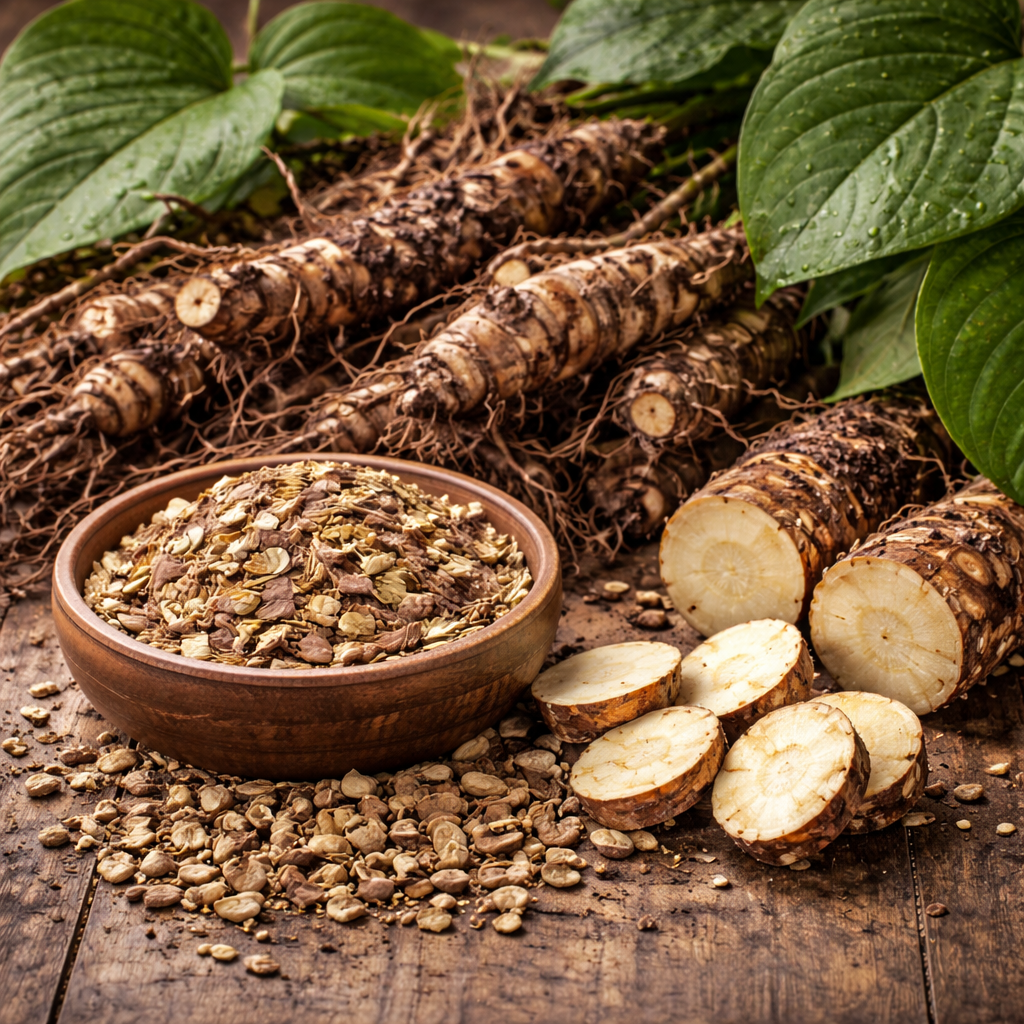
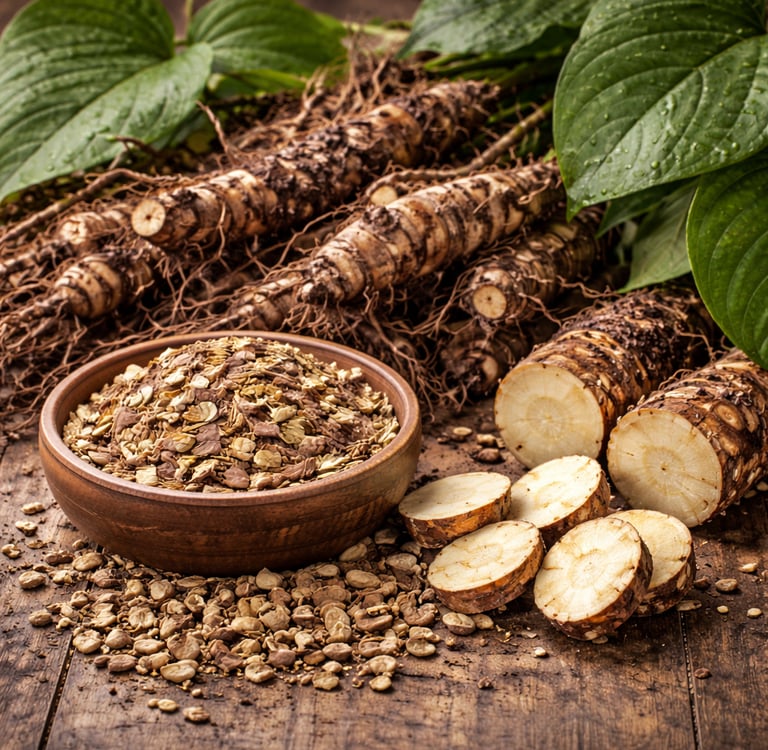
Kava (Piper methysticum) is a root native to the South Pacific, where it has been used ceremonially and medicinally for thousands of years. Traditionally prepared as a drink, kava plays a central role in social bonding, conflict resolution, and relaxation rituals across Polynesian cultures.
Kava is classified as an anxiolytic nervine and muscle relaxant. Unlike sedatives, it reduces anxiety without impairing cognition, making it unique among calming herbs.
The Benefits of Kava
Reduces Anxiety Without Mental Dulling
Kava is one of the most effective natural remedies for anxiety. It calms nervous tension while preserving alertness and clarity.
Promotes Relaxed Social Confidence
Traditionally used in communal settings, kava supports emotional openness, ease in conversation, and reduced social anxiety.
Relieves Muscle Tension
Kava deeply relaxes skeletal muscles, making it helpful for stress-related tightness, pain, and somatic anxiety.
Supports Restful Sleep (Indirectly)
By reducing anxiety and physical tension, kava can support better sleep—especially when insomnia is stress-driven.
Eases Stress-Induced Pain
Its analgesic and antispasmodic effects help reduce headaches, neck tension, and nerve-related discomfort.
Supports Emotional Regulation
Kava helps calm irritability, agitation, and emotional volatility without flattening emotions.
Non-Habit Forming
When used appropriately, kava is not addictive and does not cause withdrawal or dependency.
Helps During Acute Stress
Kava is especially useful for situational anxiety, panic, or acute nervous overload.
How Kava Works (Science + Physiology)
Kava’s primary active compounds are kavalactones, including kavain, dihydrokavain, and methysticin. These compounds interact with the nervous system through multiple pathways.
Kavalactones enhance GABA signaling, the brain’s primary calming neurotransmitter, while also modulating sodium and calcium ion channels. This reduces excessive neuronal firing associated with anxiety and muscle tension.
Unlike benzodiazepines, kava does not impair memory or cognitive function. It calms the limbic system (the emotional brain) while preserving cortical awareness.
Kava also has mild dopamine-modulating effects, contributing to improved mood and emotional ease. Its muscle-relaxing effects stem from reduced nerve excitability and antispasmodic action.
The result is calm alertness—a relaxed body with a clear mind.
Spiritual + Energetic Perspective
Energetically, kava is considered grounding, centering, and socially harmonizing. It supports the root and heart centers, helping release fear while fostering emotional connection and trust.
In traditional Pacific cultures, kava is a plant of peace—used to dissolve conflict, calm the nervous system, and bring people into shared presence. Spiritually, it supports relaxation without dissociation and calm without withdrawal.
Kava teaches the body how to relax while staying fully here.
How to Use Kava
Common Forms
Traditional root powder (water-extracted)
Liquid extracts (water-based preferred)
Capsules or tablets (standardized kavalactones)
Instant kava preparations
Typical Dosage
Traditional preparation: 1–2 tablespoons root powder per serving
Capsules/Extract: 70–250 mg total kavalactones per day
Best Time to Take It
Evening or during acute anxiety
Social settings or stressful situations
Kava is best used occasionally or cyclically, not continuously long-term.
Safety, Side Effects, and Precautions
Use noble kava varieties only
Avoid alcohol when using kava
Avoid long-term daily use without breaks
Use caution with liver conditions or medications
Do not combine with sedatives or benzodiazepines
Avoid during pregnancy or breastfeeding
When sourced properly and used responsibly, kava is considered safe for short-term use.
Tips for Beginners
Start with a low dose to assess sensitivity
Choose water-extracted or traditionally prepared kava
Expect mouth or tongue numbing (normal effect)
Use for acute anxiety rather than daily dependence
Pair with breathwork or grounding practices
Final Thoughts
Kava is a powerful ally for anxiety and tension when calm is needed without mental clouding. Its ability to relax the body, ease fear, and support emotional presence makes it one of the most unique nervine herbs available.
Used respectfully, kava restores ease and confidence—helping the nervous system relax while keeping awareness clear, grounded, and connected.

Explore
Discover the latest in psychedelics, spirituality, and holistic practices.
Connect
MystiConnect Email:
Owners@MystiConnect.com
© 2026. All rights reserved.
Disclaimer:
The information provided on this website is for informational purposes only and is not intended as medical advice. We are not doctors, and none of the products or statements have been evaluated by the FDA. Always consult with a healthcare professional before starting any new health regimen.
Terms of service
Mystiphone... Coming Soon!