Explore And Heal Your Mind soul and body here at MystiConnect!

Fennel Seed Benefits for Digestion, Bloating, and Gut Health
Discover fennel seed benefits, including digestive support, bloating relief, antioxidant effects, and traditional herbal uses. This article explores what fennel is, its science-backed benefits, how it works in the body, and how to use it safely for digestion, hormones, and whole-body comfort.
Landon Thorne
12/30/20255 min read
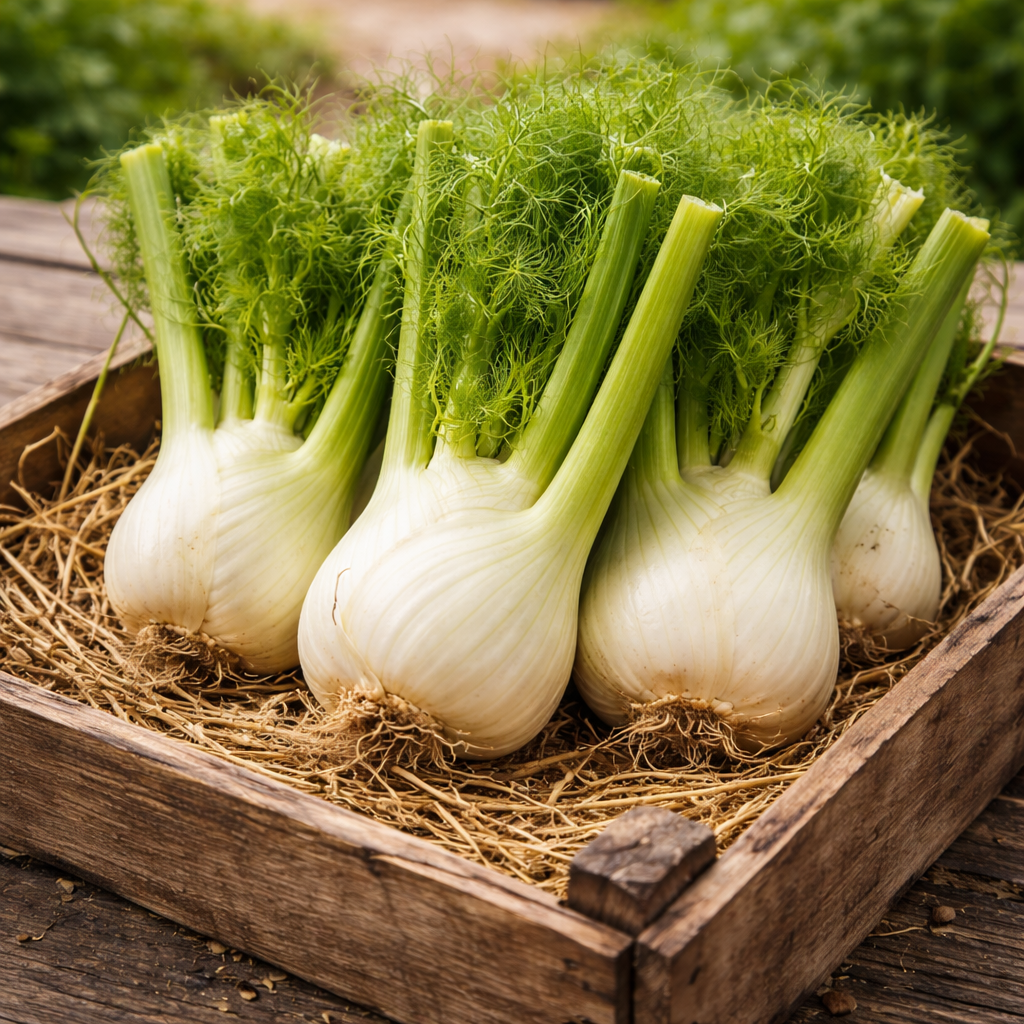
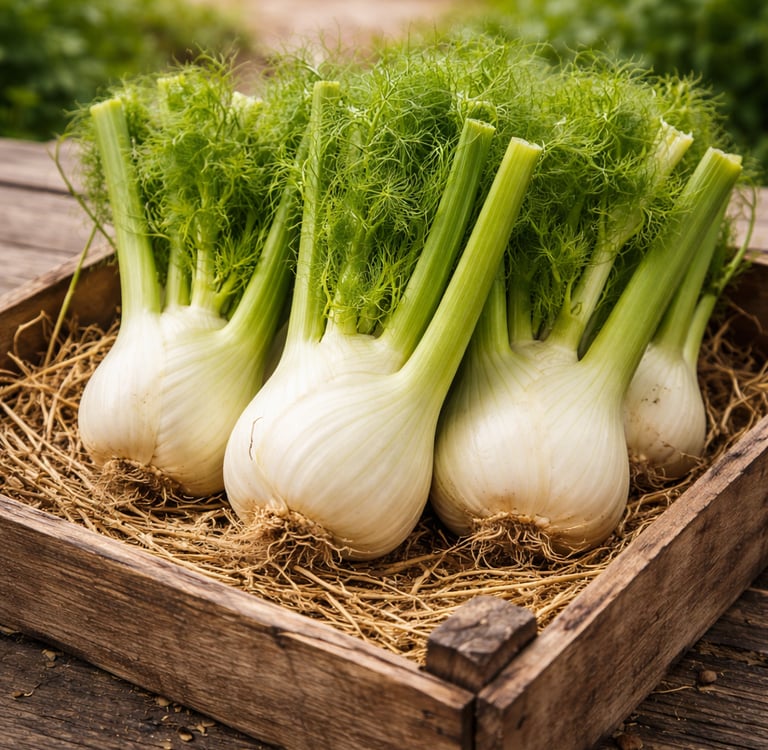
Fennel Seed: Benefits, Uses, and How This Traditional Herb Supports Digestion and Hormonal Balance
Fennel seed has been used for thousands of years as both a culinary spice and a medicinal herb. Known scientifically as Foeniculum vulgare, fennel has long been valued for its ability to support digestion, ease bloating, and promote overall gastrointestinal comfort.
Today, fennel seed is widely studied for its aromatic compounds, digestive-supporting properties, and antioxidant benefits. In this article, we’ll explore what fennel seed is, the key benefits of fennel seed, how it works in the body, and how to use this traditional herb safely.
What Is Fennel Seed?
Fennel seed comes from the fennel plant (Foeniculum vulgare), a flowering herb in the carrot family (Apiaceae). Native to the Mediterranean region, fennel has been used in cooking and herbal medicine across Europe, Asia, and the Middle East for centuries.
The seeds are small, greenish-brown, and aromatic, with a flavor similar to anise or licorice. In traditional medicine systems such as Ayurveda and traditional European herbalism, fennel seed has been widely used to support digestion and relieve gastrointestinal discomfort.
Historically, fennel seeds were commonly chewed after meals to help freshen breath and support healthy digestion. Today, fennel seed is used in teas, tinctures, capsules, and culinary preparations.
The Benefits of Fennel Seed
Supports Healthy Digestion
One of the most well-known benefits of fennel seed is its ability to support digestion and promote overall gastrointestinal comfort. Fennel has been used for centuries in traditional herbal medicine to help stimulate digestive activity and support the body’s natural digestive processes.
The seeds contain aromatic compounds and essential oils that encourage healthy movement within the digestive tract. This gentle stimulation helps food move more smoothly through the stomach and intestines, reducing the likelihood of digestive stagnation.
By supporting digestive function and helping the body break down food more efficiently, fennel seed may help promote better nutrient absorption and overall digestive balance.
Helps Reduce Bloating and Gas
Fennel seed has long been used as a natural remedy for bloating and gas. Digestive discomfort often occurs when gas becomes trapped within the intestines or when digestion slows down after meals.
The aromatic oils found in fennel help relax intestinal muscles and encourage the release of trapped gas. This process can help reduce pressure in the abdomen and relieve the uncomfortable sensation of fullness or tightness.
Because of this effect, fennel tea or chewed fennel seeds are often consumed after meals to help support digestion and prevent bloating.
Helps Calm Digestive Spasms
Fennel contains plant compounds that may help relax the smooth muscles of the digestive tract. When these muscles contract too strongly or irregularly, it can lead to digestive spasms, cramping, or discomfort.
By helping relax intestinal muscles, fennel may reduce tension within the digestive system and promote smoother digestive movement.
This calming effect on the digestive tract may be particularly helpful for individuals who experience occasional digestive cramps or sensitivity after meals.
Supports Appetite and Digestive Secretions
Fennel seeds help stimulate the production of digestive enzymes and gastric juices that play a key role in breaking down food. These digestive secretions allow the body to process proteins, fats, and carbohydrates more efficiently.
When digestive secretions are insufficient, digestion may feel sluggish and appetite may decrease. Herbs that stimulate digestive activity, such as fennel, help encourage the body’s natural digestive rhythm.
Because of this effect, fennel seed has traditionally been used to support appetite and promote healthier digestive function in individuals experiencing slow or weak digestion.
Provides Antioxidant Support
Fennel seed contains several plant compounds that act as antioxidants, including flavonoids, phenolic compounds, and essential oils. These molecules help neutralize free radicals that can damage cells and contribute to inflammation.
Free radicals are unstable molecules that are produced during normal metabolism and exposure to environmental stressors. When they accumulate in the body, they can lead to oxidative stress and cellular damage.
The antioxidants found in fennel seed help protect cells from this damage, supporting overall cellular health and long-term wellness.
May Support Hormonal Balance
Fennel contains naturally occurring compounds known as phytoestrogens, which have a structure similar to the hormone estrogen. These compounds may influence hormone-related processes within the body.
Because of these properties, fennel has historically been used in traditional medicine systems to support menstrual comfort and reproductive health.
Some herbal traditions used fennel to help support hormonal balance and ease certain symptoms related to hormonal fluctuations.
Supports Fresh Breath and Oral Health
The aromatic oils found in fennel seed help freshen breath and support oral hygiene. These oils may help inhibit the growth of certain bacteria that contribute to bad breath and oral imbalance.
For this reason, fennel seeds are often chewed after meals in many cultures. Chewing the seeds releases their fragrant oils, which help cleanse the mouth and provide a naturally refreshing flavor.
This traditional practice not only freshens breath but may also support oral health by helping maintain a balanced environment within the mouth.
How Fennel Seed Works (Science + Physiology)
The medicinal effects of fennel seed come from its essential oils and plant compounds.
One of the most important compounds in fennel seed is anethole, an aromatic compound responsible for fennel’s characteristic flavor and many of its digestive-supporting properties.
Anethole has been studied for its ability to relax smooth muscles in the digestive tract. This effect helps reduce spasms and promote smoother gastrointestinal movement.
Fennel also contains fenchone, estragole, flavonoids, and phenolic compounds, which contribute to its antimicrobial, antioxidant, and digestive-supporting effects.
The relaxing effects of fennel on intestinal muscles may help reduce gas buildup and support the release of trapped air within the digestive system.
Additionally, fennel’s aromatic oils stimulate digestive secretions such as saliva, stomach acid, and digestive enzymes.
Through these mechanisms, fennel seed supports digestion, gastrointestinal comfort, and overall digestive balance.
Spiritual + Energetic Perspective
In traditional herbal energetics, fennel seed is considered a warming and gently stimulating herb.
Its energetic qualities are associated with digestion, vitality, and clarity. In many traditional systems, the digestive system is viewed as the center of physical energy and transformation.
Fennel’s ability to stimulate digestion symbolically reflects this process—helping the body transform food into nourishment and vitality.
Energetically, fennel is believed to support clarity, movement, and balance within the digestive system and overall energy flow.
How to Use Fennel Seed
Fennel seed can be used in a variety of herbal preparations.
Common Forms
Fennel seed is available as:
Whole seeds
Ground powder
Herbal tea
Tinctures
Capsules
Tea Preparation
Fennel tea can be prepared by:
Crushing 1 teaspoon of fennel seeds lightly.
Adding the seeds to hot water.
Steeping for 10 minutes.
Drinking after meals to support digestion.
Chewing Seeds
Many cultures traditionally chew fennel seeds directly after meals to support digestion and freshen breath.
Tincture Use
Typical tincture doses range from 10–30 drops, taken one to three times daily depending on the preparation.
Always follow dosage instructions provided on the product label.
Safety, Side Effects, and Precautions
Fennel seed is generally considered safe when used in typical culinary or herbal amounts.
Excessive consumption may cause digestive irritation in sensitive individuals.
Individuals with hormone-sensitive conditions should consult a healthcare professional before use.
Avoid excessive use during pregnancy without medical guidance.
Always follow recommended dosages.
When used responsibly, fennel seed is a gentle and widely tolerated herbal remedy.
Tips for Beginners
If you’re new to fennel seed, consider these tips:
Drink fennel tea after meals to support digestion.
Lightly crush the seeds before brewing to release essential oils.
Combine fennel with herbs like ginger or peppermint for digestive support.
Chew fennel seeds after meals to freshen breath.
Choose high-quality organic herbs from trusted sources.
Final Thoughts
Fennel seed is one of the most beloved digestive herbs in traditional herbal medicine. Its aromatic oils help relax intestinal muscles, reduce bloating, and support healthy digestion.
Rather than suppressing digestive symptoms, fennel works by supporting the body’s natural digestive processes—encouraging smooth movement within the gastrointestinal system.
When used regularly and thoughtfully, fennel seed can be a simple yet powerful ally for maintaining digestive comfort and overall wellness.
(You can explore high-quality fennel seed preparations here: [Insert MystiConnect Fennel Seed Product Link])

Explore
Discover the latest in psychedelics, spirituality, and holistic practices.
Connect
MystiConnect Email:
Owners@MystiConnect.com
© 2026. All rights reserved.
Disclaimer:
The information provided on this website is for informational purposes only and is not intended as medical advice. We are not doctors, and none of the products or statements have been evaluated by the FDA. Always consult with a healthcare professional before starting any new health regimen.
Terms of service
Mystiphone... Coming Soon!