Explore And Heal Your Mind soul and body here at MystiConnect!

What is a Nervine?
Modern life places relentless pressure on the nervous system. Over time, this pressure shows up as anxiety, poor sleep, irritability, burnout, digestive issues, and emotional fatigue. Nervines are a class of herbs specifically designed to support the nervous system—helping it calm, regulate, and recover without shutting it down. In this foundational guide, you’ll learn what nervines are, how they work, the different types of nervines, and why they are essential for long-term mental, emotional, and physical health.
Landon Thorne
12/30/20252 min read
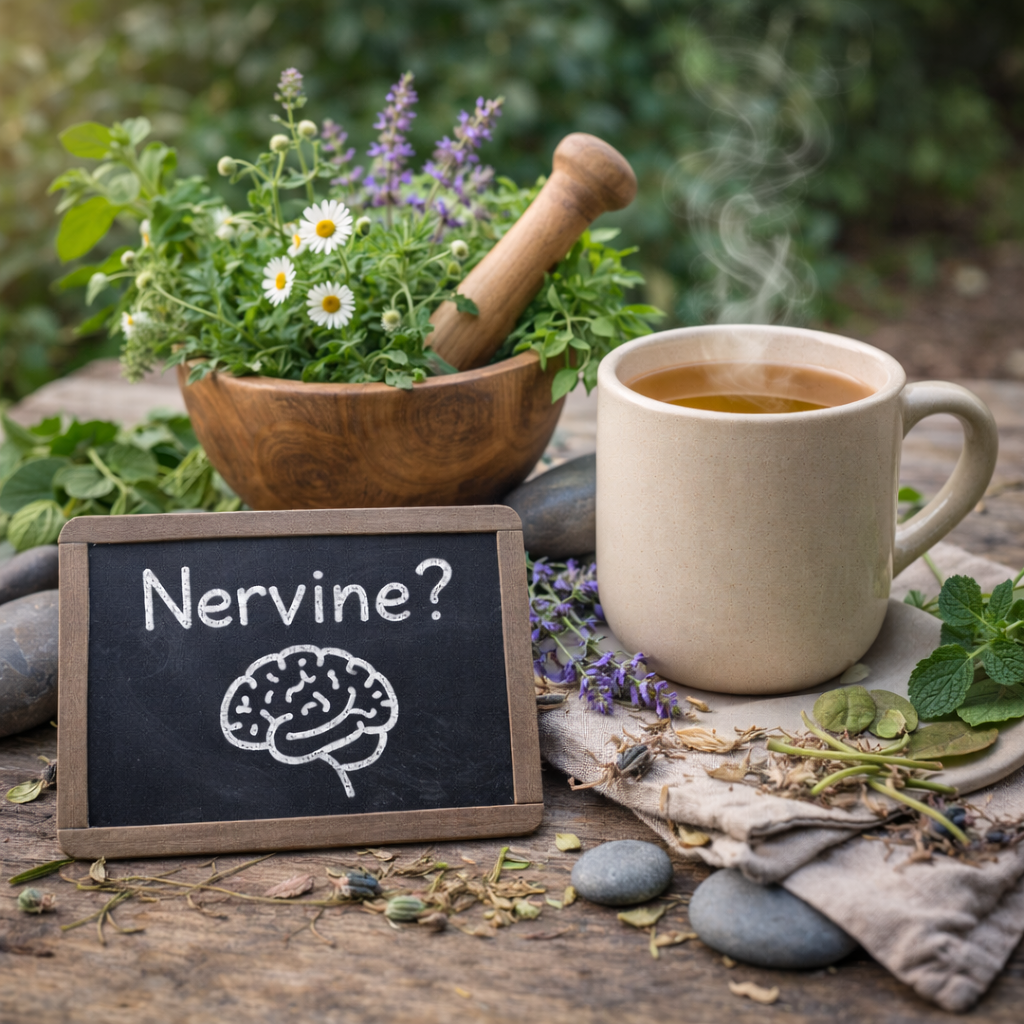
What Is a Nervine?
A nervine is an herb that supports the nervous system, particularly the brain, nerves, and stress-response pathways.
Rather than acting as sedatives or stimulants, nervines help:
Calm overactive nerves
Restore depleted nervous systems
Improve stress tolerance
Support emotional balance
Nervines work by regulating nervous system tone, not suppressing awareness or forcing relaxation.
Why Nervines Are So Important
The nervous system regulates nearly everything:
Sleep
Mood
Digestion
Immune response
Hormones
Pain perception
When the nervous system is dysregulated, symptoms appear everywhere. Nervines address the root control system, making them foundational—not optional—in herbal medicine.
Types of Nervines
Not all nervines work the same way. Understanding the differences prevents misuse and maximizes benefit.
Nervine Relaxants
These herbs calm overactivity, anxiety, and tension.
They are helpful when there is:
Anxiety or panic
Muscle tension
Racing thoughts
Stress-related insomnia
They promote relaxation without sedation when used appropriately.
Nervine Tonics
These herbs rebuild and nourish the nervous system over time.
They are used when there is:
Burnout
Nervous exhaustion
Long-term stress
Emotional fragility
Nervine tonics work slowly but create lasting resilience.
Nervine Stimulants
These gently increase alertness and nerve signaling.
They are used when there is:
Mental fatigue
Depressive sluggishness
Brain fog from depletion
They differ from caffeine by supporting nerve function rather than draining it.
How Nervines Work (Science + Physiology)
Nervines influence multiple aspects of nervous system function, including:
Neurotransmitter balance (GABA, serotonin, dopamine)
Vagus nerve tone
Stress hormone signaling
Neural inflammation
Synaptic communication
Many nervines contain compounds that:
Reduce excitatory signaling
Enhance inhibitory calming pathways
Protect neurons from stress damage
Improve nerve repair and communication
This allows the nervous system to return to balance rather than remain stuck in fight-or-flight.
Nervines vs Sedatives
This distinction is critical.
Sedatives:
Suppress nervous system activity
Reduce awareness
Can impair function
Nervines:
Restore regulation
Maintain clarity
Build long-term resilience
A person should feel more present, not less, after a nervine.
Nervines vs Adaptogens
Nervines and adaptogens often overlap but are not the same.
Nervines focus on calming, nourishing, and regulating nerve function
Adaptogens focus on overall stress adaptation across systems
Many herbs are both—but nervines are especially important when anxiety, sleep, and emotional regulation are primary concerns.
Spiritual + Energetic Perspective
Energetically, nervines restore safety.
They help the body exit survival mode and return to:
Rest
Digestion
Emotional openness
Creativity
Connection
On a deeper level, nervines help release chronic vigilance—the state of always being “on.” They remind the nervous system that it is safe to soften.
Healing often begins when the nervous system feels safe enough to rest.
When Nervines Are Most Helpful
Nervines are especially useful when:
Stress is chronic
Sleep is disrupted
Anxiety is persistent
Emotions feel overwhelming
The body feels tense but exhausted
Healing feels blocked
They are foundational for trauma-informed, long-term healing.
How Nervines Are Used
Common Forms
Teas and infusions
Tinctures
Capsules
Nighttime formulas
How They’re Taken
Acutely for stress or anxiety
Daily for nervous system rebuilding
Often in the evening or before sleep
Sometimes layered with adaptogens
Nervines work best with consistency and gentleness.
Safety, Side Effects, and Precautions
Generally very safe
Effects are subtle and cumulative
Overuse of strong relaxants may cause lethargy
Individual sensitivity matters
Combining multiple nervines should be done thoughtfully
Calming the nervous system is not about force—it’s about permission.
Tips for Beginners
Start with one gentle nervine
Use daily for 1–2 weeks before adjusting
Observe sleep, mood, and digestion
Avoid stacking multiple calming herbs at once
Pair with breathwork and rest
Nervines work best when the lifestyle supports recovery.
Final Thoughts
Nervines are the caretakers of the nervous system.
They don’t silence stress—they teach the body how to regulate it. In a world that keeps people in constant activation, nervines offer something revolutionary: the ability to rest without collapsing, to calm without disconnecting, and to heal without force.
When the nervous system is supported, everything else can follow.

Explore
Discover the latest in psychedelics, spirituality, and holistic practices.
Connect
MystiConnect Email:
Owners@MystiConnect.com
© 2026. All rights reserved.
Disclaimer:
The information provided on this website is for informational purposes only and is not intended as medical advice. We are not doctors, and none of the products or statements have been evaluated by the FDA. Always consult with a healthcare professional before starting any new health regimen.
Terms of service
Mystiphone... Coming Soon!