Explore And Heal Your Mind soul and body here at MystiConnect!

Usnea: The Lichen Antibiotic for Lung Health, Immune Defense, and Microbial Balance
When infections linger, coughs don’t fully resolve, or the immune system needs precise antimicrobial support without harsh disruption, nature offers an unusual ally. Usnea, often called old man’s beard, is a medicinal lichen traditionally used for respiratory infections, wound care, and stubborn bacterial imbalance—especially when stronger interventions feel excessive. This article explores what usnea is, its benefits, how it works in the body, and how to use it safely for lung health, immunity, and targeted antimicrobial support.
Landon Thorne
12/30/20252 min read
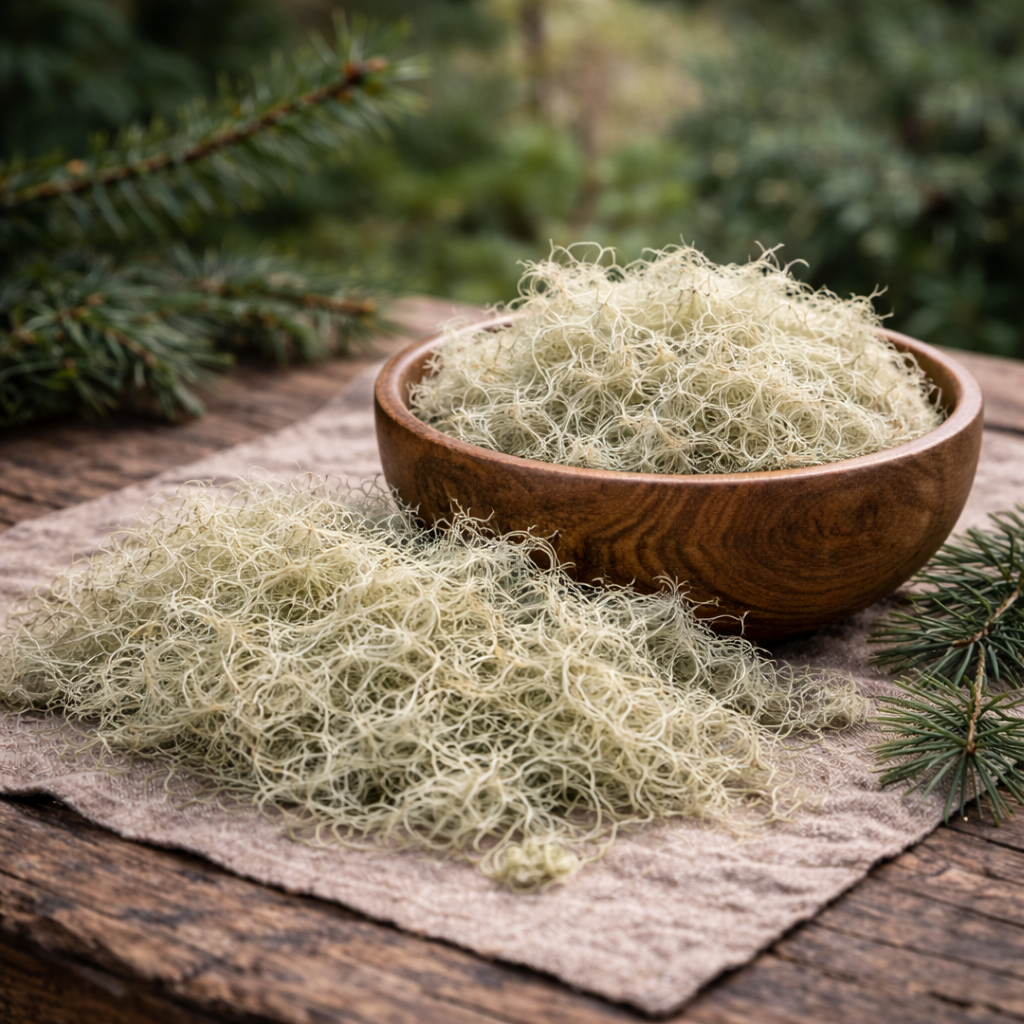
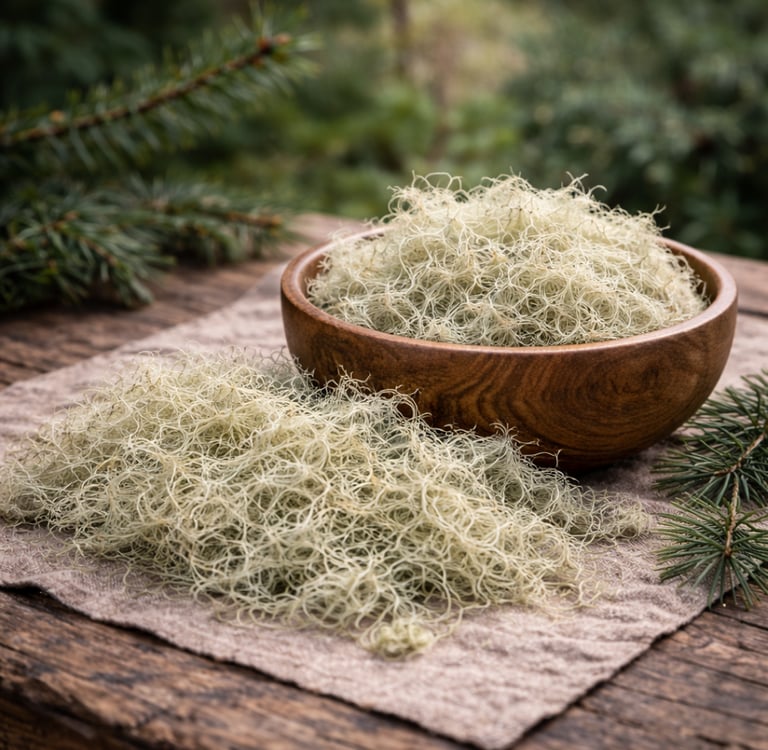
What Is Usnea?
Usnea (Usnea species) is a lichen, a symbiotic organism formed by a fungus and algae living together. It grows on trees in clean, unpolluted forests and is easily recognized by its pale green, hair-like strands with a stretchy white inner core.
Usnea is classified as a selective antimicrobial and respiratory tonic. Unlike broad-spectrum antibiotics, it is traditionally used for focused bacterial issues—especially in the lungs, throat, skin, and lymphatic system.
The Benefits of Usnea
Supports Lung and Respiratory Health
Traditionally used for bronchitis, lingering coughs, and respiratory infections.
Natural Antibacterial Support
Effective primarily against gram-positive bacteria.
Supports Immune Defense
Helps the immune system clear persistent or low-grade infections.
Gentle on the Gut Microbiome
More selective than many strong antimicrobial herbs.
Supports Lymphatic Drainage
Helpful when infections feel “stuck” or slow to resolve.
Supports Wound Healing
Used topically for infected cuts, burns, and skin issues.
Reduces Infection-Driven Inflammation
Calms tissue irritation while addressing microbial causes.
Useful for Chronic or Lingering Infections
Best suited for slow-moving, persistent patterns rather than emergencies.
How Usnea Works (Science + Physiology)
Usnea’s primary active compound is usnic acid, along with polysaccharides and phenolic compounds.
Usnic acid inhibits ATP production in bacteria, effectively starving microbes of energy and preventing replication—especially in gram-positive organisms such as Staphylococcus species. This makes usnea particularly useful for respiratory and skin infections.
Unlike many aggressive antimicrobials, usnea is selective rather than indiscriminate, meaning it tends to spare beneficial gut bacteria while targeting pathogens. It also exhibits anti-inflammatory effects, helping reduce tissue irritation during infection.
Because lichens grow slowly and concentrate environmental compounds, usnea’s action is steady and penetrating, making it ideal for chronic or lingering infections rather than fast, acute crises.
Spiritual + Energetic Perspective
Energetically, usnea is cooling, clarifying, and boundary-restoring. It supports the lungs and lymph—systems associated with protection, exchange, and discernment.
Spiritually, usnea reflects cooperation and resilience. As a living partnership between two organisms, it symbolizes balanced defense rather than domination. It is often used when boundaries—physical or emotional—have been compromised.
Usnea teaches that true defense can be quiet, intelligent, and precise.
How to Use Usnea
Common Forms
Alcohol tincture (most effective)
Capsules or tablets
Topical salves or washes
Decoction (milder)
Typical Dosage
Tincture: 1–3 ml, 2–3 times daily
Capsules: 300–600 mg daily
Topical: Apply 1–2 times daily
Best Time to Take It
During respiratory or bacterial infections
Between meals for antimicrobial action
Cycled use (2–4 weeks, then break)
Usnea is not intended for continuous long-term use.
Safety, Side Effects, and Precautions
Avoid long-term high-dose use (usnic acid accumulation)
Not recommended during pregnancy
Use caution with liver conditions
Always use sustainably harvested usnea
Avoid combining with strong antibiotics without guidance
Use tinctures from reputable sources only
Tips for Beginners
Choose tincture for lung and systemic infections
Start with low doses—usnea is potent
Combine with mullein or elecampane for lung formulas
Pair with echinacea for immune activation
Support recovery with rest and hydration
Final Thoughts
Usnea is a precision antimicrobial from the forest. Its ability to support lung health, clear lingering infections, and protect without overwhelming the system makes it uniquely valuable—especially when infections are stubborn but not acute.
In a world of heavy interventions, usnea reminds us that some of the most effective medicine works quietly, selectively, and with deep intelligence.

Explore
Discover the latest in psychedelics, spirituality, and holistic practices.
Connect
MystiConnect Email:
Owners@MystiConnect.com
© 2026. All rights reserved.
Disclaimer:
The information provided on this website is for informational purposes only and is not intended as medical advice. We are not doctors, and none of the products or statements have been evaluated by the FDA. Always consult with a healthcare professional before starting any new health regimen.
Terms of service
Mystiphone... Coming Soon!