Explore And Heal Your Mind soul and body here at MystiConnect!

St. John’s Wort: The Nervine Herb for Mood Balance, Nerve Healing, and Emotional Resilience
When emotional heaviness lingers, the nervous system feels overstimulated, or low mood is paired with irritability and nerve tension, the body often needs gentle nervous system repair rather than suppression. St. John’s Wort is one of the most well-known herbal allies for mood support, nerve health, and emotional regulation—bridging ancient tradition with modern research. This article explores what St. John’s Wort is, its science-backed benefits, how it works in the body, and how to use it safely for emotional balance, nervous system support, and long-term mental resilience.
Landon Thorne
12/30/20255 min read
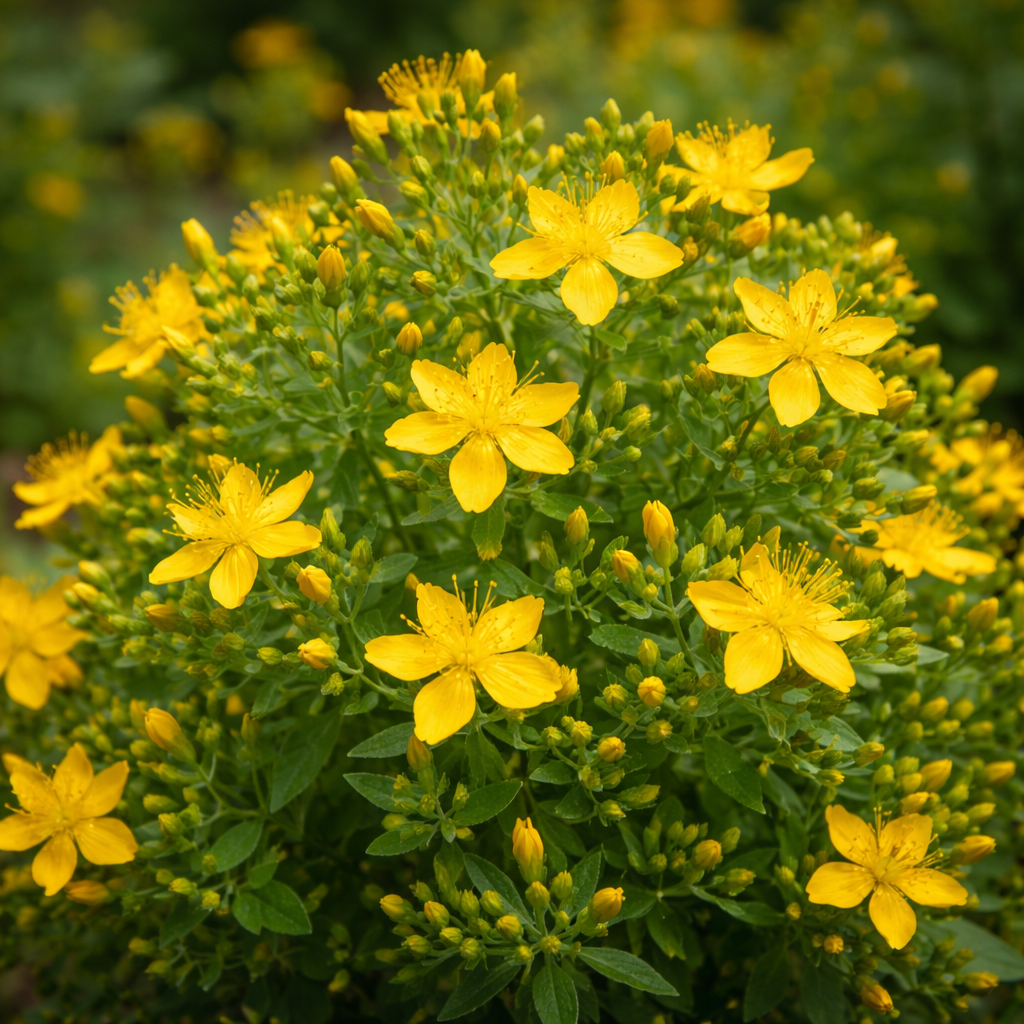
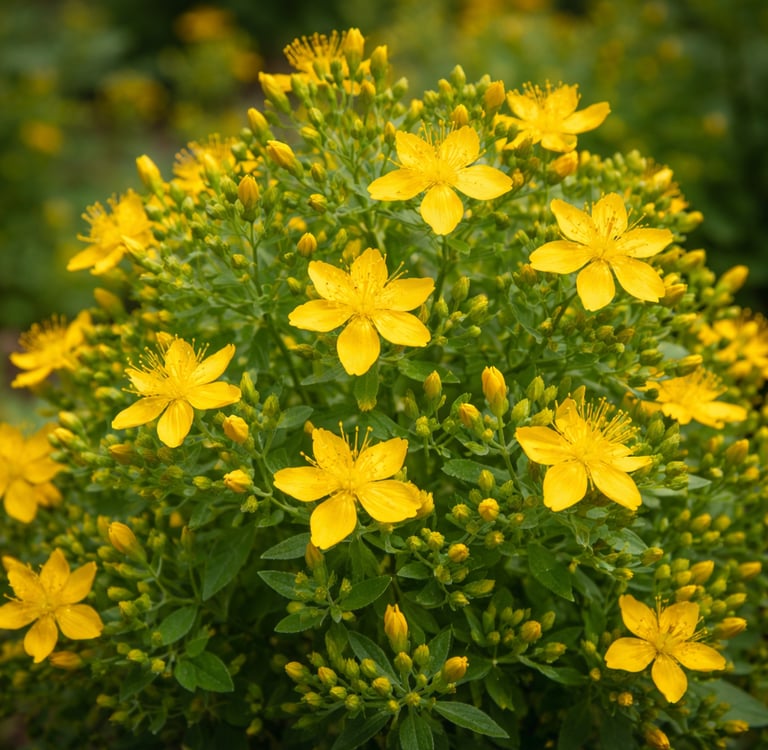
St. John’s Wort: Benefits, Uses, and How This Traditional Herb Supports Mood and Nervous System Balance
St. John’s wort is a well-known medicinal herb traditionally used to support emotional balance, nervous system health, and overall mental well-being. Derived from the flowering plant Hypericum perforatum, St. John’s wort has been used for centuries in European herbal medicine for its calming and restorative effects on the mind.
Recognized by its bright yellow flowers, this herb has historically been used to help lift mood, reduce nervous tension, and support resilience during periods of stress. Modern scientific research has explored the plant’s unique bioactive compounds and their influence on neurotransmitters involved in mood regulation. In this article, we’ll explore what St. John’s wort is, the key benefits of St. John’s wort, how it works in the body, and how to use this traditional herb safely.
What Is St. John’s Wort?
St. John’s wort (Hypericum perforatum) is a flowering plant belonging to the Hypericaceae family. The herb is native to Europe but now grows widely across many parts of the world.
The flowering tops of the plant are the medicinal parts most commonly used in herbal medicine.
Traditional herbal systems have long used St. John’s wort to support mood balance, emotional well-being, and nervous system health. The herb has also historically been used in topical preparations to support skin healing.
Today, St. John’s wort is commonly available in tinctures, capsules, herbal teas, oils, and standardized extracts.
The Benefits of St. John’s Wort
Supports Mood Balance
One of the most widely recognized benefits of St. John’s wort is its ability to support emotional well-being. St. John’s wort (Hypericum perforatum) has been used for centuries in traditional herbal medicine to help promote balanced mood and emotional stability.
The herb contains bioactive compounds such as hypericin and hyperforin, which may influence neurotransmitters involved in mood regulation, including serotonin, dopamine, and norepinephrine.
By supporting balanced neurotransmitter activity, St. John’s wort may help promote emotional resilience and overall mental well-being.
Supports Nervous System Health
St. John’s wort has historically been used as a nervous system tonic, meaning it helps support the health and stability of the nervous system.
The nervous system plays a critical role in regulating mood, cognition, and stress responses. When nervous system signaling remains balanced, it supports mental clarity, emotional stability, and overall neurological health.
By supporting healthy nervous system activity, St. John’s wort may contribute to improved psychological balance and cognitive function.
Supports Stress Adaptation
Traditional herbal medicine has used St. John’s wort to help the body adapt to periods of emotional or psychological stress.
Stress can influence hormone regulation, neurotransmitter activity, and nervous system balance. Herbs that support nervous system health may help the body regulate these systems more effectively.
By supporting balanced nervous system activity, St. John’s wort may contribute to a healthier stress response and improved emotional resilience.
Supports Healthy Sleep Patterns
By promoting relaxation and emotional balance, St. John’s wort may help support natural sleep cycles.
Healthy sleep patterns depend on proper nervous system regulation and balanced neurotransmitter activity. Emotional stress and mood fluctuations can disrupt sleep quality and circadian rhythms.
By supporting mood balance and nervous system relaxation, St. John’s wort may help promote more consistent and restful sleep.
Provides Antioxidant Protection
St. John’s wort contains plant compounds with antioxidant properties, including flavonoids and phenolic compounds.
Antioxidants help neutralize free radicals within the body. Free radicals are unstable molecules that can damage cellular structures and contribute to oxidative stress.
By helping protect cells from oxidative damage, the antioxidant compounds in St. John’s wort support long-term cellular health and tissue protection.
Supports Healthy Inflammatory Balance
The herb contains plant compounds that may help regulate inflammatory signaling pathways.
Inflammation is a natural biological response involved in immune defense and tissue repair. However, maintaining balanced inflammatory activity is important for long-term health.
By supporting balanced inflammatory responses, St. John’s wort may help maintain healthy tissues and overall physiological stability.
Supports Skin Healing (Topical Use)
Traditional herbal medicine has also used St. John’s wort oil topically to support skin repair and wound healing.
Topical preparations made from the herb are sometimes used to support minor skin irritations, dryness, and surface-level injuries.
The plant’s anti-inflammatory and antioxidant compounds may help support the skin’s natural healing processes and promote tissue regeneration.
How St. John’s Wort Works (Science + Physiology)
The medicinal properties of St. John’s wort come from a combination of bioactive compounds, including:
Hypericin
Hyperforin
Flavonoids
Xanthones
Phenolic acids
Hyperforin and hypericin are believed to influence neurotransmitter systems involved in mood regulation.
Research suggests these compounds may help regulate levels of neurotransmitters such as:
Serotonin
Dopamine
Norepinephrine
These neurotransmitters play key roles in mood, motivation, and emotional stability.
St. John’s wort may also influence GABA and glutamate signaling, which contribute to nervous system balance and relaxation.
Additionally, antioxidant compounds found in the herb help reduce oxidative stress and support cellular health.
Through these mechanisms, St. John’s wort supports emotional balance, nervous system regulation, and mental well-being.
Spiritual + Energetic Perspective
In traditional herbal symbolism, St. John’s wort has long been associated with light, protection, and emotional renewal.
Historically, the herb was gathered during the summer solstice and used in rituals intended to bring clarity and emotional balance.
Energetically, St. John’s wort is believed to help lift emotional heaviness and restore inner brightness.
From a holistic perspective, the herb supports harmony between emotional health, mental clarity, and nervous system balance.
How to Use St. John’s Wort
St. John’s wort can be used in several herbal preparations.
Common Forms
St. John’s wort is available as:
Dried herb
Herbal teas
Tinctures
Capsules
Standardized extracts
Infused oils for topical use
Tea Preparation
St. John’s wort tea can be prepared by:
Adding 1 teaspoon of dried St. John’s wort herb to hot water.
Steeping for 10–15 minutes.
Straining and drinking once or twice daily.
Capsules or Extracts
Capsules and standardized extracts are commonly used for consistent dosing.
Always follow dosage instructions provided on the product label.
Topical Oil
St. John’s wort oil is often used externally for minor skin irritation or discomfort.
The oil is traditionally made by infusing the flowers in a carrier oil.
Safety, Side Effects, and Precautions
St. John’s wort can interact with several medications and should be used carefully.
May interact with antidepressants and other medications affecting serotonin levels.
Can increase sensitivity to sunlight in some individuals.
May interact with medications processed by the liver.
Pregnant individuals should consult a healthcare provider before medicinal use.
Always follow recommended dosages.
Consulting a healthcare professional is recommended when using St. John’s wort alongside medications.
Tips for Beginners
If you’re new to St. John’s wort, consider these tips:
Start with tea or standardized extracts.
Use consistently for several weeks to assess effects.
Take during the morning or daytime for mood support.
Choose high-quality standardized extracts.
Always check for potential medication interactions.
Final Thoughts
St. John’s wort is a widely respected herbal remedy known for supporting emotional balance, nervous system health, and mental resilience. Its bioactive compounds influence neurotransmitter systems involved in mood regulation and stress adaptation.
For centuries, this herb has symbolized emotional renewal and inner clarity in traditional herbal medicine.
When used thoughtfully and safely, St. John’s wort can support mood balance, emotional well-being, and overall mental health.

Explore
Discover the latest in psychedelics, spirituality, and holistic practices.
Connect
MystiConnect Email:
Owners@MystiConnect.com
© 2026. All rights reserved.
Disclaimer:
The information provided on this website is for informational purposes only and is not intended as medical advice. We are not doctors, and none of the products or statements have been evaluated by the FDA. Always consult with a healthcare professional before starting any new health regimen.
Terms of service
Mystiphone... Coming Soon!