Explore And Heal Your Mind soul and body here at MystiConnect!

Slippery Elm: The Protective Inner-Bark Remedy for Gut Healing, Throat Relief, and Tissue Repair
When the gut lining is inflamed, the throat feels raw, or tissues feel worn down by chronic irritation, the body doesn’t need stimulation—it needs coating, protection, and time to heal. Slippery elm is one of the most trusted demulcent herbs in Western herbalism, prized for its ability to soothe, shield, and restore irritated tissues throughout the body. This article explores what slippery elm is, its science-backed benefits, how it works in the body, and how to use it safely for digestive healing, respiratory comfort, and whole-body tissue repair.
Landon Thorne
12/30/20252 min read
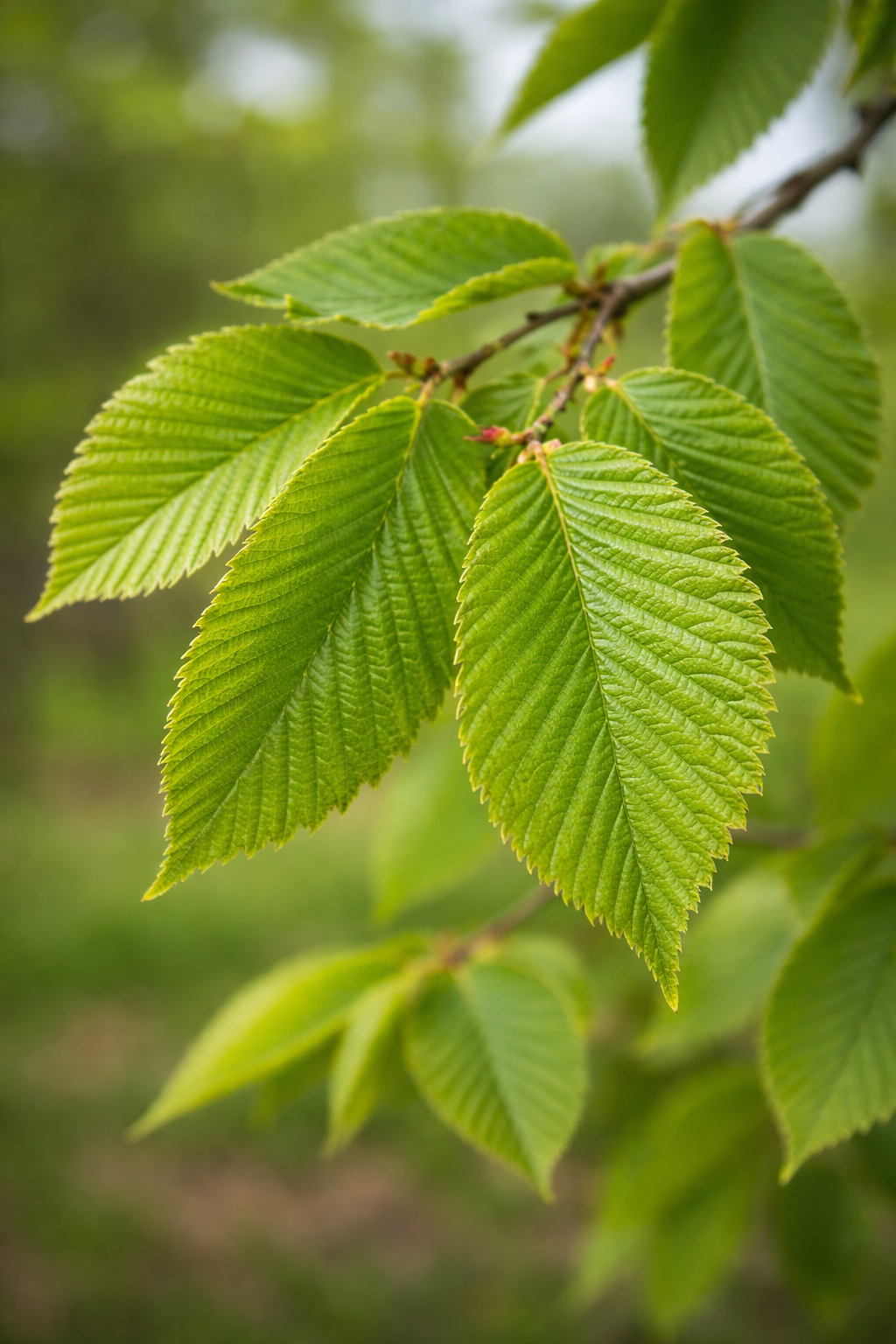
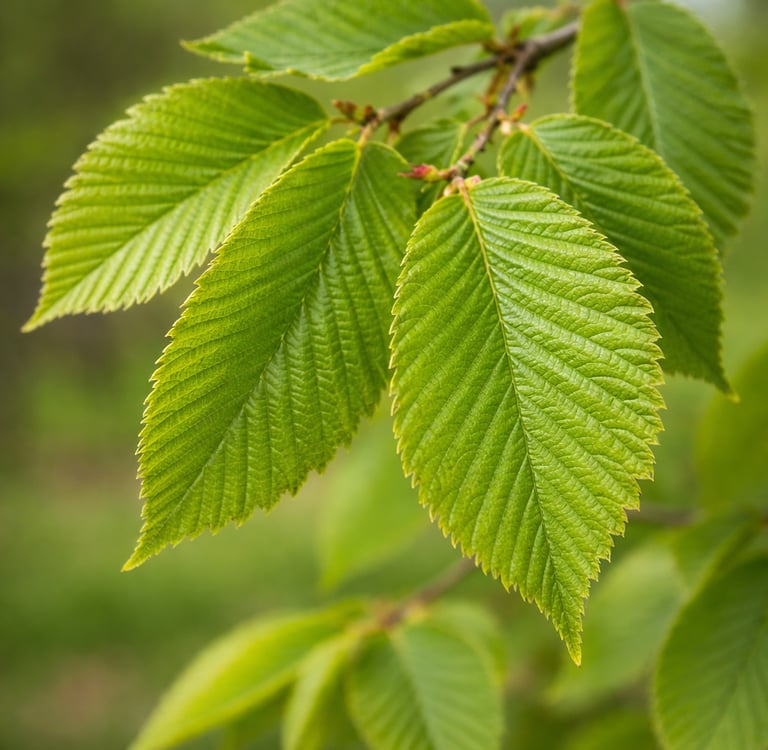
What Is Slippery Elm?
Slippery elm (Ulmus rubra) is a native North American tree. The inner bark is the medicinal portion and becomes slippery and gel-like when mixed with water—hence its name.
Slippery elm is classified as a demulcent, anti-inflammatory, and mucosal protectant. It has been traditionally used by Indigenous peoples and Western herbalists for soothing the digestive tract, throat, lungs, and urinary system.
The Benefits of Slippery Elm
Soothes and Protects the Digestive Tract
Forms a protective coating over the stomach and intestines, easing irritation, reflux, and inflammatory gut conditions.
Supports Gut Lining Repair
Helps protect the intestinal barrier in leaky gut, IBS, gastritis, and ulcer-prone patterns.
Relieves Heartburn and Acid Reflux
Buffers stomach acid and reduces burning sensations without suppressing digestion.
Eases Sore Throats and Dry Coughs
Coats irritated throat tissue, reducing pain and scratchiness.
Supports Respiratory Comfort
Calms dry, inflamed lung tissue and soothes cough-related irritation.
Reduces Inflammation Gently
Modulates local inflammation without suppressing natural healing responses.
Supports Recovery After Illness
Helps restore mucosal tissues after infection, stress, or prolonged irritation.
Safe for Sensitive Systems
Well tolerated by children, elders, and those with fragile digestion.
How Slippery Elm Works (Science + Physiology)
Slippery elm is rich in mucilage polysaccharides, along with tannins, antioxidants, and minerals.
When mixed with water, its mucilage swells into a thick gel that adheres to mucous membranes. This coating protects tissues from stomach acid, digestive enzymes, mechanical irritation, and environmental stressors.
By reducing direct irritation and calming sensory nerve endings, slippery elm decreases pain, burning, and spasm. Its action is protective and soothing, not suppressive.
Unlike stimulant herbs, slippery elm does not force digestive secretions or immune activity. Instead, it creates a calm environment where tissues can repair themselves naturally.
Spiritual + Energetic Perspective
Energetically, slippery elm is cooling, grounding, and protective. It supports the throat and heart centers—areas associated with expression, vulnerability, and nourishment.
Spiritually, slippery elm is used when someone feels raw, overstimulated, or emotionally worn thin. It offers containment, safety, and gentle support during healing.
Slippery elm teaches that recovery begins when the body feels protected enough to rest.
How to Use Slippery Elm
Common Forms
Powder (most common)
Capsules
Lozenges
Thick tea or gruel
Typical Dosage
Powder: 1–2 teaspoons mixed with water, 1–3 times daily
Capsules: 400–1,000 mg, up to 3 times daily
Tea: Sip slowly, 1–2 times daily
Best Way to Take It
Mix powder with cool or warm water
Drink slowly to coat tissues
Take between meals for gut healing
Separate from medications by 1–2 hours
Safety, Side Effects, and Precautions
Extremely safe and gentle
May reduce absorption of medications—separate dosing
Suitable for children and elders
Safe for long-term use
Choose sustainably harvested sources
Rare allergic reactions possible
Tips for Beginners
Start with small amounts to assess texture preference
Use consistently during active irritation
Combine with marshmallow root for deeper mucosal healing
Pair with licorice (DGL) for reflux and ulcers
Drink slowly for maximum coating effect
Final Thoughts
Slippery elm is a medicine of protection and patience. By coating and calming irritated tissues, it allows the body’s innate healing processes to take place without interference.
In a world that constantly pushes the body to do more, slippery elm offers something profoundly healing: safety, softness, and the space to recover.

Explore
Discover the latest in psychedelics, spirituality, and holistic practices.
Connect
MystiConnect Email:
Owners@MystiConnect.com
© 2026. All rights reserved.
Disclaimer:
The information provided on this website is for informational purposes only and is not intended as medical advice. We are not doctors, and none of the products or statements have been evaluated by the FDA. Always consult with a healthcare professional before starting any new health regimen.
Terms of service
Mystiphone... Coming Soon!