Explore And Heal Your Mind soul and body here at MystiConnect!

Red Raspberry Leaf: The Nourishing Uterine Tonic for Hormonal Balance, Pregnancy, and Vitality
When the body feels depleted, cycles feel irregular, or the reproductive system needs strength and nourishment rather than stimulation, gentle tonics make the deepest difference. Red raspberry leaf is one of the most respected herbal allies for women’s health—used traditionally to tone the uterus, support hormonal balance, ease menstrual discomfort, and nourish the body through pregnancy and postpartum recovery. This article explores what red raspberry leaf is, its science-backed benefits, how it works in the body, and how to use it safely for reproductive health, mineral nourishment, and long-term resilience.
Landon Thorne
12/30/20252 min read
What Is Red Raspberry Leaf?
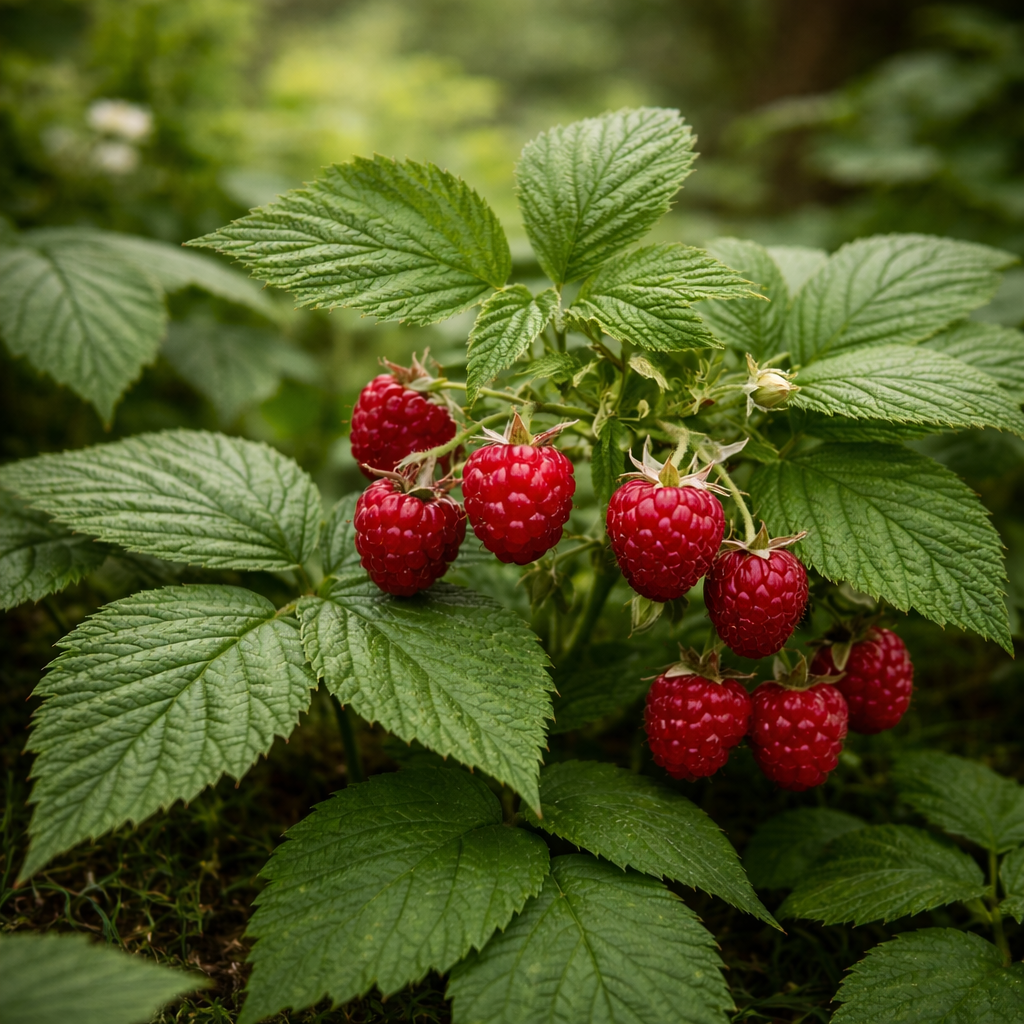
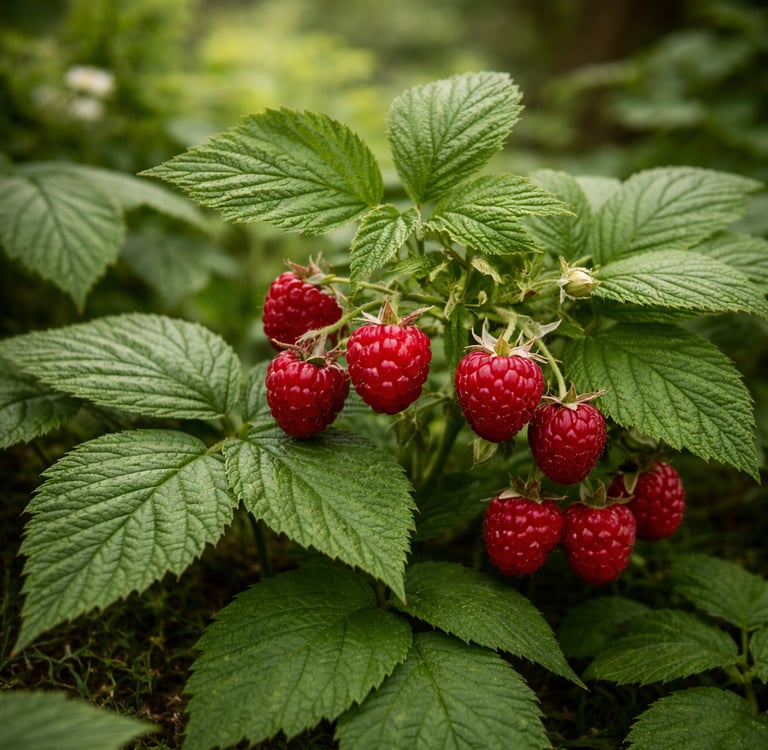
Red raspberry leaf (Rubus idaeus) comes from the same plant that produces red raspberries. While the fruit is nutritious, the leaves are the medicinal component used in herbal medicine.
Red raspberry leaf is classified as a uterine tonic, nutritive herb, and reproductive support. It has been used for centuries in European and Indigenous traditions to strengthen reproductive tissues, regulate cycles, and support healthy pregnancy and childbirth.
The Benefits of Red Raspberry Leaf
Tones and Strengthens the Uterus
Supports uterine muscle tone for healthier cycles and pregnancy outcomes.
Supports Menstrual Comfort
Helps reduce cramping, heavy bleeding, and cycle irregularity.
Nourishes the Body with Minerals
Rich in calcium, magnesium, iron, and trace minerals.
Supports Hormonal Balance
Gently supports endocrine function without forcing hormonal shifts.
Supports Fertility and Reproductive Health
Creates a nourished, resilient environment for conception.
Supports Pregnancy and Labor Preparation
Traditionally used in the second and third trimesters to support labor efficiency.
Supports Postpartum Recovery
Helps tone tissues and replenish minerals after birth.
Supports Digestive and Gut Health
Its astringent properties help soothe loose stools and digestive weakness.
How Red Raspberry Leaf Works (Science + Physiology)
Red raspberry leaf contains fragarine, tannins, flavonoids, vitamins, and bioavailable minerals.
Fragarine is believed to help normalize uterine muscle activity, supporting both relaxation and contraction as needed. This explains raspberry leaf’s ability to ease menstrual cramping while also supporting effective labor contractions.
Its tannins provide astringent effects, strengthening and toning tissues throughout the reproductive and digestive systems. Flavonoids contribute antioxidant and anti-inflammatory support, while the high mineral content nourishes the nervous system and muscles.
Rather than acting hormonally, red raspberry leaf works by building strength, tone, and nourishment—making it ideal for long-term use.
Spiritual + Energetic Perspective
Energetically, red raspberry leaf is grounding, stabilizing, and deeply nourishing. It supports the root and sacral centers—associated with safety, creativity, reproduction, and life force.
Spiritually, this herb is often associated with maternal strength, steadiness, and preparation. It is used when the body needs reassurance and fortification rather than change.
Red raspberry leaf teaches that resilience is built through nourishment, not force.
How to Use Red Raspberry Leaf
Common Forms
Tea or infusion (most traditional)
Liquid tincture
Capsules or tablets
Typical Dosage
Tea: 1–3 cups daily
Tincture: 2–4 ml, 1–3 times daily
Capsules: 500–1,500 mg daily
Best Time to Take It
Daily for reproductive nourishment
During menstrual cycle support
During pregnancy (after first trimester, with guidance)
Red raspberry leaf is well suited for long-term, consistent use.
Safety, Side Effects, and Precautions
Generally very safe and well tolerated
Avoid during the first trimester unless guided
May increase uterine tone—use appropriately in pregnancy
Rare mild digestive tightening if overused
Safe for long-term use
Consult practitioner if high-risk pregnancy
Tips for Beginners
Start with tea for gentle nourishment
Use consistently for at least 1–2 cycles
Combine with nettle for mineral-rich blends
Pair with vitex or shatavari for hormonal protocols
Track cycle quality, energy, and cramping
Final Thoughts
Red raspberry leaf is a medicine of preparation and strength. By toning the uterus, nourishing the body, and supporting reproductive resilience, it offers foundational support for menstrual health, fertility, pregnancy, and postpartum recovery.
Rather than altering hormones or forcing change, red raspberry leaf builds the conditions for balance—steady, grounded, and enduring.

Explore
Discover the latest in psychedelics, spirituality, and holistic practices.
Connect
MystiConnect Email:
Owners@MystiConnect.com
© 2026. All rights reserved.
Disclaimer:
The information provided on this website is for informational purposes only and is not intended as medical advice. We are not doctors, and none of the products or statements have been evaluated by the FDA. Always consult with a healthcare professional before starting any new health regimen.
Terms of service
Mystiphone... Coming Soon!