Explore And Heal Your Mind soul and body here at MystiConnect!

Passionflower: The Calming Nervine for Anxiety, Sleep, and Nervous System Ease
When the mind won’t slow down and the nervous system feels overstimulated, force rarely helps. Passionflower is a gentle yet powerful nervine herb known for quieting mental chatter, easing anxiety, and supporting deep, restorative sleep—without dulling awareness. This article explores what passionflower is, its science-backed benefits, how it works in the body, and how to use it safely for calm, sleep, and emotional balance.
Landon Thorne
12/21/20254 min read
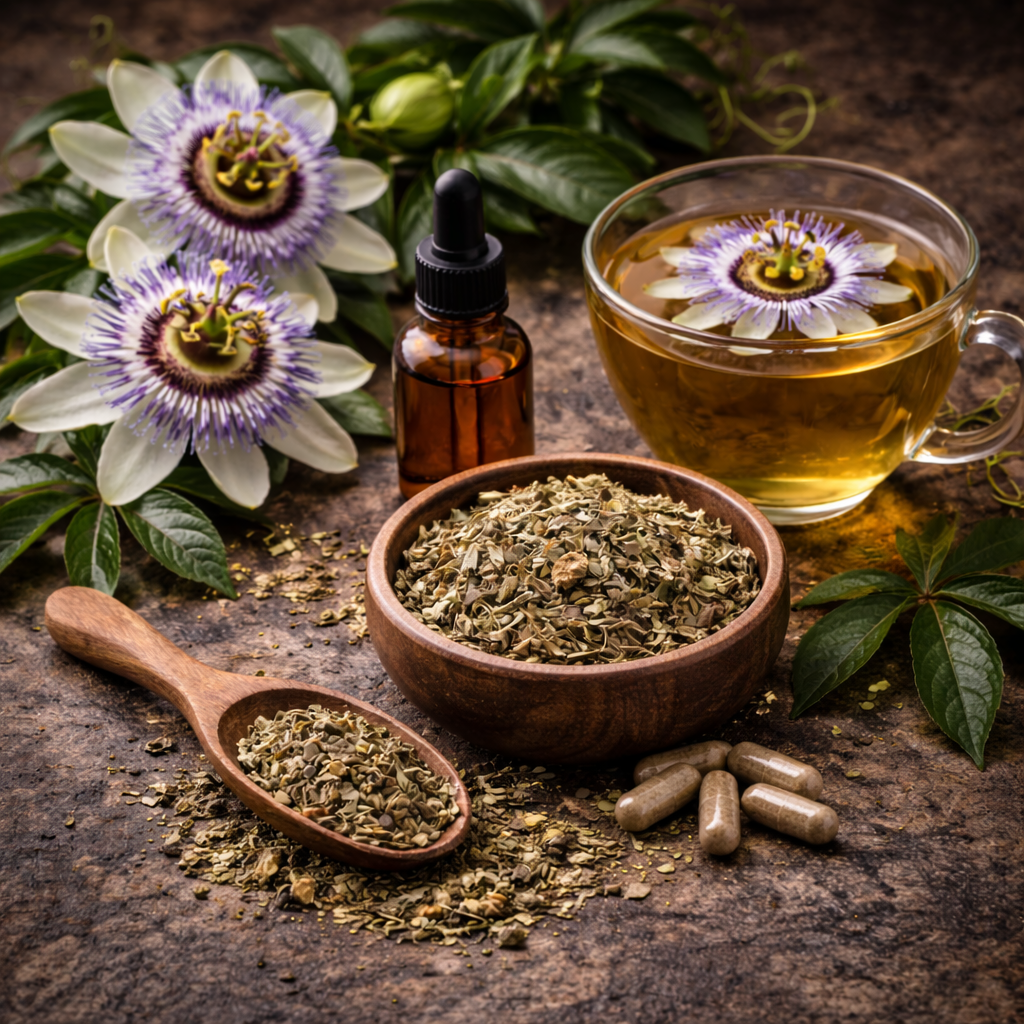
What Is Passionflower?
Passionflower (Passiflora incarnata) is a climbing vine native to the southeastern United States and Central America. It has been used traditionally by Indigenous cultures and later adopted into Western herbalism for nervous system support.
Passionflower is classified as a nervine and mild sedative, meaning it calms and nourishes the nervous system. The aerial parts—leaves, stems, and flowers—are used in teas, tinctures, capsules, and extracts.
Benefits of Passionflower
Reduces Anxiety and Racing Thoughts
One of the most well-known benefits of passionflower is its ability to calm anxiety and reduce racing thoughts. Many people experience anxiety as a constant loop of mental activity—overthinking, worry, and nervous agitation that keeps the mind from settling. Passionflower helps interrupt this cycle by gently calming neural activity in the brain.
The herb works in part by influencing GABA signaling, a neurotransmitter responsible for reducing nervous system excitation. When GABA activity increases, the brain naturally shifts toward a calmer state. As a result, many people report that passionflower helps quiet mental chatter, making it easier to relax and think clearly during stressful situations.
Supports Restful Sleep
Passionflower is frequently used as a natural sleep-support herb, particularly for people who struggle with falling asleep due to an overactive mind. Rather than forcing sedation, passionflower helps the nervous system relax so that the body can transition naturally into sleep.
Many cases of insomnia are rooted in stress and mental overstimulation. Passionflower addresses this by calming nervous system activity, reducing nighttime anxiety, and helping the mind slow down before bed. Because of its gentle nature, it is often used as part of nighttime herbal teas designed to support deep and restorative sleep.
Calms the Nervous System
Passionflower is considered a classic nervine herb, meaning it directly supports and regulates the nervous system. When the body is stuck in a heightened stress state, the sympathetic nervous system remains active, keeping the body in a constant “fight or flight” mode.
Passionflower helps shift the body back toward parasympathetic activity—the “rest and digest” state that allows the body to repair, recover, and relax. This calming effect can help reduce physical tension, lower mental stress, and support a greater sense of balance throughout the day.
Helps with Stress-Induced Insomnia
Many people struggle with insomnia that is directly linked to stress, anxiety, or mental overload. When the nervous system remains overstimulated late into the evening, the body has difficulty transitioning into sleep, even when physical exhaustion is present.
Passionflower helps address this root cause by calming the nervous system and reducing nighttime mental activity. By supporting relaxation and easing nervous tension, the herb can make it easier to fall asleep and maintain deeper sleep cycles throughout the night.
Supports Emotional Regulation
Emotional stress often manifests physically through irritability, emotional spikes, and difficulty managing overwhelming feelings. Passionflower has traditionally been used to help smooth these emotional fluctuations by calming nervous system activity and promoting a sense of inner stability.
Many herbalists recommend passionflower during periods of emotional stress, burnout, or heightened sensitivity. Its gentle calming properties help the mind and body settle, making emotional responses feel more balanced and manageable.
Relieves Muscle Tension
Stress and anxiety frequently lead to physical symptoms such as tight shoulders, muscle tension, jaw clenching, and nervous restlessness. Passionflower’s relaxing effects on the nervous system can help reduce these physical manifestations of stress.
The herb contains compounds that influence nerve signaling and muscle response, which may help reduce mild spasms, twitching, and tension-related discomfort. This makes passionflower particularly helpful for individuals who carry stress physically in their muscles.
Supports Focus During Anxiety
Anxiety can make it extremely difficult to concentrate. When the mind is filled with constant worry or internal dialogue, it becomes harder to focus on tasks or maintain mental clarity.
By calming mental overactivity, passionflower may help create a clearer mental environment that allows focus to return. Instead of suppressing brain activity, it helps balance it—reducing the mental noise that interferes with concentration.
Gentle Support for Withdrawal or Overstimulation
Historically, passionflower has been used in herbal medicine to support individuals experiencing nervous irritability caused by overstimulation or withdrawal from certain substances. During these periods, the nervous system can become highly reactive, leading to agitation, restlessness, and emotional instability.
Passionflower’s calming influence on the nervous system can help reduce these symptoms and promote a greater sense of relaxation. While it is sometimes included in herbal protocols for withdrawal support, it should always be used under professional guidance when addressing substance-related conditions.
How Passionflower Works (Science + Physiology)
Passionflower contains a complex array of bioactive compounds, including flavonoids (such as vitexin and chrysin), alkaloids, and glycosides.
Its primary mechanism involves modulation of GABA (gamma-aminobutyric acid), the brain’s main inhibitory neurotransmitter. Passionflower increases GABA activity in the central nervous system, which reduces excessive neuronal firing associated with anxiety and insomnia.
Unlike pharmaceutical sedatives, passionflower does not suppress consciousness. Instead, it gently reduces excitatory signaling, allowing the nervous system to downshift naturally.
Passionflower also supports the vagus nerve, helping shift the body out of fight-or-flight and into rest-and-repair mode. Its mild antispasmodic effects relax smooth and skeletal muscle, further enhancing calm.
The result is mental quiet, emotional steadiness, and physical relaxation—without next-day grogginess.
Spiritual + Energetic Perspective
Energetically, passionflower is considered cooling, grounding, and centering. It supports the heart and crown connection—helping calm mental excess while restoring emotional presence.
In traditional symbolism, passionflower represents surrender and trust. Spiritually, it is often used during times of emotional overwhelm, grief, or fear—when the nervous system needs reassurance rather than force.
Passionflower helps soften control patterns, allowing the mind to rest and the body to feel safe again.
How to Use Passionflower
Common Forms
Herbal tea (dried aerial parts)
Liquid tincture
Capsules or tablets
Combination sleep or anxiety formulas
Typical Dosage
Tea: 1–2 cups in the evening
Tincture: 2–5 ml, 1–3 times daily
Capsules: 300–900 mg per day
Best Time to Take It
Evening or before bed for sleep
During the day for acute anxiety or nervous tension
Passionflower can be used daily or as needed.
Safety, Side Effects, and Precautions
Generally very safe and non-habit forming
May enhance effects of sedatives or sleep medications
Use caution if taking antidepressants or anti-anxiety meds
Avoid excessive doses during pregnancy
Start low if sensitive to calming herbs
Consult a practitioner for long-term or combined use
Tips for Beginners
Start with tea or a low-dose tincture
Use 30–60 minutes before bedtime for sleep
Combine with lemon balm or chamomile for synergy
Practice slow breathing while taking it
Track sleep quality and anxiety levels over time
Final Thoughts
Passionflower is a quiet ally for overstimulated minds. Its ability to calm anxiety, ease insomnia, and relax the nervous system makes it one of the most respected herbs for stress-driven mental unrest.
Rather than forcing sedation, passionflower gently guides the body back into balance—helping the mind slow down while allowing rest, clarity, and emotional ease to return naturally.
For those who want to experience this herb in its traditional form, you can explore our Passionflower Raw Herb, carefully sourced for purity and potency so you can prepare calming teas and herbal blends at home.

Explore
Discover the latest in psychedelics, spirituality, and holistic practices.
Connect
MystiConnect Email:
Owners@MystiConnect.com
© 2026. All rights reserved.
Disclaimer:
The information provided on this website is for informational purposes only and is not intended as medical advice. We are not doctors, and none of the products or statements have been evaluated by the FDA. Always consult with a healthcare professional before starting any new health regimen.
Terms of service
Mystiphone... Coming Soon!