Explore And Heal Your Mind soul and body here at MystiConnect!

Osha Root: The Powerful Lung Protector for Infection, Immunity, and Respiratory Strength
When the lungs feel vulnerable, infections recur, or breathing weakens after illness or exposure, the body often needs protection as much as clearing. Osha root is one of the most revered respiratory herbs in North American herbalism—known for defending the lungs, supporting immune response, and restoring deep respiratory strength. This article explores what osha root is, its traditional and science-informed benefits, how it works in the body, and how to use it safely and responsibly.
Landon Thorne
12/22/20252 min read
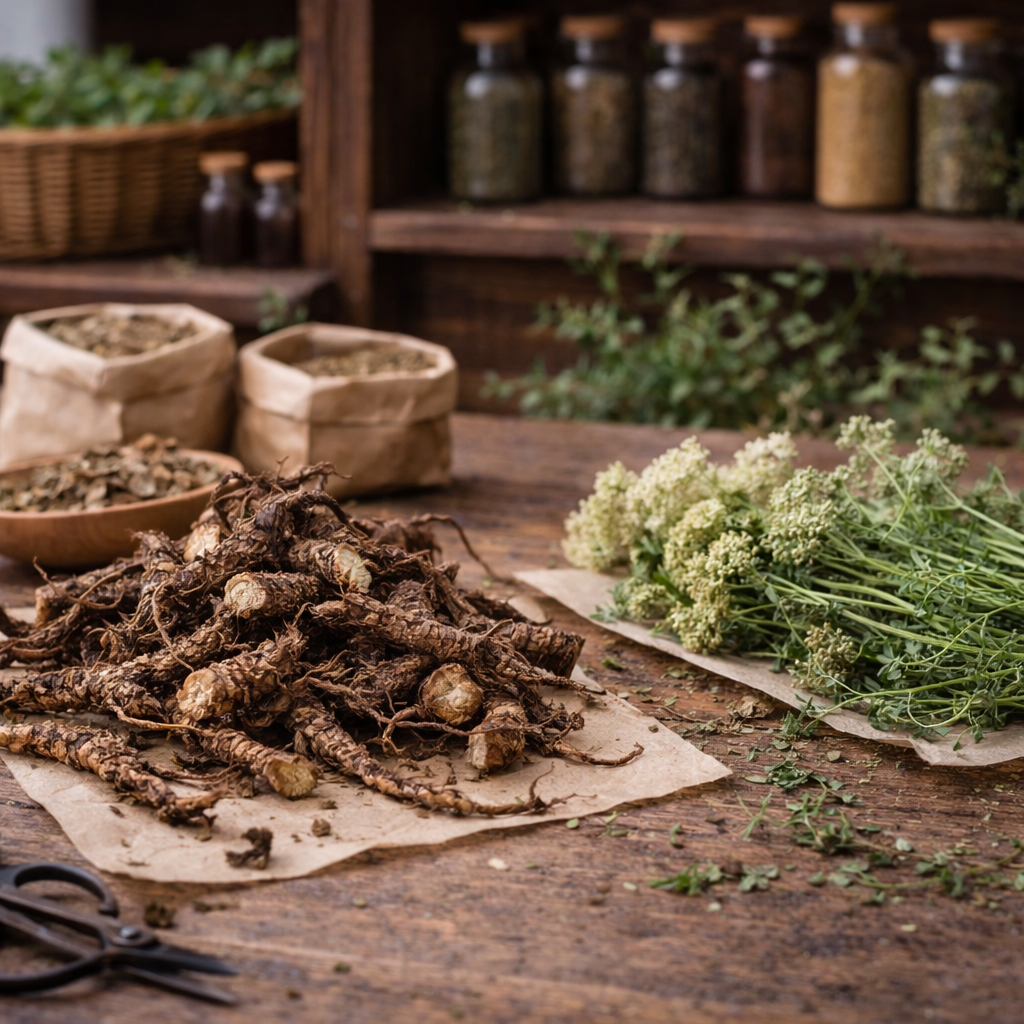
What Is Osha Root?
Osha (Ligusticum porteri) is a high-altitude perennial plant native to the Rocky Mountains and the American Southwest. It has been used for centuries by Indigenous tribes as a primary medicine for lung infections, coughs, colds, and immune defense.
The root is the medicinal part and is prized for its strong aromatic compounds. Osha is classified as a warming respiratory tonic, antimicrobial, and immune-modulating herb.
Because osha grows slowly and only in specific environments, it must be ethically wild-harvested or cultivated—a key consideration in its use.
The Benefits of Osha Root
Protects the Lungs from Infection
Osha is traditionally used to help prevent and shorten respiratory infections affecting the lungs, throat, and sinuses.
Clears Congestion While Strengthening Tissue
Unlike purely stimulating expectorants, osha both loosens mucus and strengthens respiratory tissues.
Supports Immune Defense
Its antimicrobial compounds help the immune system respond effectively to bacterial and viral stressors.
Eases Coughs and Chest Tightness
Osha helps relax bronchial spasm while reducing irritation that drives coughing.
Warms Cold, Weakened Lungs
Especially helpful for people prone to respiratory illness in cold or damp conditions.
Supports Altitude and Environmental Adaptation
Traditionally used by mountain populations to support breathing at high altitudes.
Aids Recovery After Illness
Osha is often used during recovery from bronchitis, pneumonia, or prolonged respiratory infections.
Supports Overall Vitality
By improving oxygen exchange and immune efficiency, osha supports systemic energy and resilience.
How Osha Root Works (Science + Physiology)
Osha root contains volatile aromatic oils, coumarins, resins, and phthalides, which give it its distinctive spicy aroma and medicinal potency.
In the respiratory system, these compounds act as antimicrobial agents, inhibiting the growth of pathogens while also reducing inflammation in lung tissue. Osha helps thin and mobilize mucus while protecting the integrity of the bronchial lining.
Osha also functions as a bronchodilator, helping relax smooth muscle in the airways and improve airflow. This makes breathing feel deeper and more efficient.
On the immune level, osha supports both innate immune activity and local immune defense in the respiratory tract. Rather than overstimulating immunity, it helps coordinate an effective response.
Its warming nature improves circulation to the lungs, enhancing oxygen delivery and healing capacity.
Spiritual + Energetic Perspective
Energetically, osha is considered protective, strengthening, and boundary-forming. It supports the lung and heart centers—areas associated with breath, vitality, and resilience.
Traditionally, osha was viewed as a guardian plant, used to protect hunters, travelers, and healers from illness and environmental stress. Spiritually, it supports strength after vulnerability and helps restore confidence in the body’s defenses.
Osha teaches protection through preparedness, not fear.
How to Use Osha Root
Common Forms
Liquid tincture (most common)
Root decoction (simmered tea)
Lozenges or syrups
Capsules (less common due to strength)
Typical Dosage
Tincture: 5–20 drops, 1–3 times daily
Decoction: 1 cup, 1–2 times daily
Capsules: 300–1,000 mg per day
Osha is often used short-term or seasonally, especially during illness or high-risk periods.
Safety, Side Effects, and Precautions
Very potent herb; moderate dosing is important
Avoid during pregnancy
Use caution if sensitive to Apiaceae family plants
Not intended for continuous long-term daily use
Source ethically and sustainably
Consult a practitioner for chronic respiratory disease
Tips for Beginners
Start with small tincture doses
Use during acute illness or seasonal vulnerability
Combine with mullein or elecampane for balanced lung support
Avoid overharvested sources—ethics matter
Pay attention to warmth, breath depth, and recovery speed
Final Thoughts
Osha root is a protector of the lungs. Its ability to defend against infection, strengthen respiratory tissue, and restore breathing resilience makes it one of the most powerful allies for respiratory health.
Used respectfully and sustainably, osha supports not just recovery—but confidence in the body’s ability to breathe, defend, and thrive.

Explore
Discover the latest in psychedelics, spirituality, and holistic practices.
Connect
MystiConnect Email:
Owners@MystiConnect.com
© 2026. All rights reserved.
Disclaimer:
The information provided on this website is for informational purposes only and is not intended as medical advice. We are not doctors, and none of the products or statements have been evaluated by the FDA. Always consult with a healthcare professional before starting any new health regimen.
Terms of service
Mystiphone... Coming Soon!