Explore And Heal Your Mind soul and body here at MystiConnect!

Oregano Oil: The Potent Herbal Antimicrobial for Gut Balance, Immunity, and Infection Defense
When infections linger, digestion feels inflamed, or the immune system feels overwhelmed, the body may need targeted antimicrobial support, not blanket suppression. Oregano oil is one of the most powerful plant-based antimicrobials known—used traditionally and clinically to combat bacterial, viral, fungal, and parasitic overgrowth while supporting immune resilience. This article explores what oregano oil is, its science-backed benefits, how it works in the body, and how to use it safely and responsibly for gut health, immunity, and acute support.
Landon Thorne
12/30/20254 min read
What Is Oregano Oil?
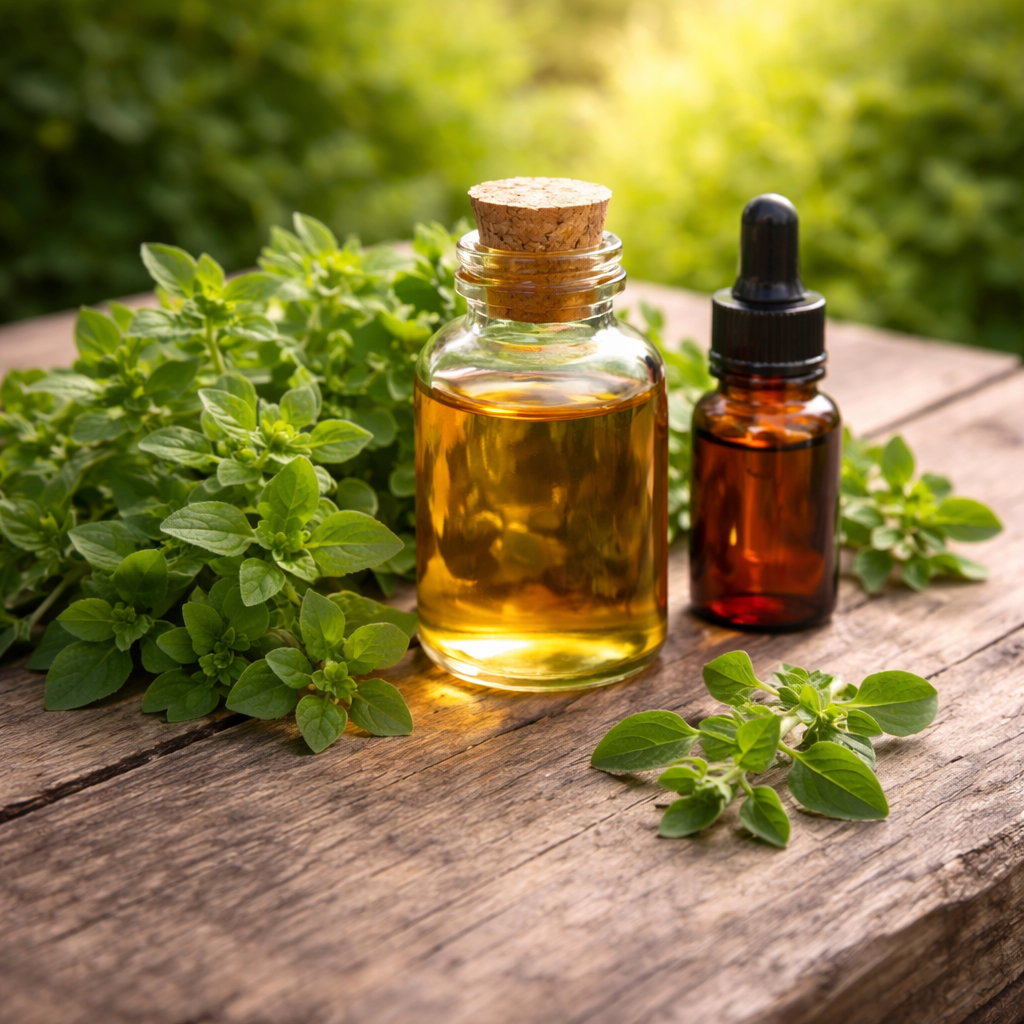
Oregano oil is a concentrated extract from the leaves of Origanum vulgare, a Mediterranean herb long used for food and medicine. The essential oil, not the culinary herb alone, is the medicinal form discussed here.
Oregano oil is classified as a broad-spectrum antimicrobial and immune-supportive agent. It has been used traditionally for respiratory infections, digestive pathogens, and wound care, and is now widely studied for its potent antimicrobial activity.
The Benefits of Oregano Oil
Powerful Antibacterial Support
Effective against many pathogenic bacteria, including resistant strains.
Antifungal and Anti-Yeast Action
Widely used for candida and fungal overgrowth patterns.
Antiviral Support
Helps inhibit viral replication during acute infections.
Supports Gut Microbial Balance
Helps reduce harmful microbes contributing to bloating, gas, and dysbiosis.
Strengthens Immune Response
Supports immune cells in identifying and neutralizing pathogens.
Supports Respiratory Health
Traditionally used for sinus, throat, and lung infections.
Reduces Inflammatory Load
By lowering microbial burden, it reduces immune-driven inflammation.
Useful for Acute Infections
Often used short-term during illness or flare-ups.
How Oregano Oil Works (Science + Physiology)
Oregano oil’s primary active compounds are carvacrol and thymol, along with terpenes and phenolic compounds.
Carvacrol disrupts microbial cell membranes, causing leakage of cellular contents and rapid pathogen death. This mechanism makes oregano oil effective against bacteria, fungi, parasites, and some viruses—without relying on a single biochemical pathway.
Thymol enhances antimicrobial potency and also exhibits anti-inflammatory and antioxidant effects, helping protect tissues during infection.
In the gut, oregano oil reduces pathogenic overgrowth while indirectly supporting immune surveillance. Because of its strength, it must be used strategically and temporarily, allowing beneficial microbes to recover afterward.
Unlike antibiotics, oregano oil does not permanently suppress immune function—but improper use can still disrupt the microbiome if overused.
Spiritual + Energetic Perspective
Energetically, oregano oil is hot, penetrating, and defensive. It acts as a boundary-setter—clearing invasive influences and restoring sovereignty to the system.
Spiritually, oregano oil is used when external forces feel overwhelming or when boundaries have been compromised—physically or emotionally. It helps reclaim inner territory and reestablish strength.
Oregano oil teaches that protection requires clarity, precision, and restraint.
How to Use Oregano Oil
Common Forms
Diluted liquid drops (in olive oil)
Enteric-coated capsules
Softgels
Typical Dosage
Capsules: 100–200 mg, 1–3 times daily
Liquid oil: 1–4 drops diluted in oil or water, 1–3 times daily
Best Time to Take It
Short-term use during infections
With meals to reduce irritation
Cycled use (7–14 days typical)
Oregano oil is not meant for continuous daily use.
Safety, Side Effects, and Precautions
Very potent—always dilute liquid oil
Can irritate mouth, throat, and stomach if undiluted
Avoid long-term continuous use
Not recommended during pregnancy
Use caution with bleeding disorders
Follow with probiotics after use
Tips for Beginners
Start with capsules if sensitive
Always dilute liquid oil
Use for acute issues, not maintenance
Combine with garlic or berberine for gut protocols
Rebuild gut flora after completion
Final Thoughts
Oregano oil is a precision antimicrobial tool, not a daily supplement. When used correctly, it can rapidly reduce infections, rebalance the gut, and support immune recovery—often where gentler herbs fall short.
But its power demands respect. Oregano oil works best when used intentionally, briefly, and followed by restoration—clearing the way for true healing rather than domination.What Is Oregano Oil?
Oregano oil is a concentrated extract from the leaves of Origanum vulgare, a Mediterranean herb long used for food and medicine. The essential oil, not the culinary herb alone, is the medicinal form discussed here.
Oregano oil is classified as a broad-spectrum antimicrobial and immune-supportive agent. It has been used traditionally for respiratory infections, digestive pathogens, and wound care, and is now widely studied for its potent antimicrobial activity.
The Benefits of Oregano Oil
Powerful Antibacterial Support
Effective against many pathogenic bacteria, including resistant strains.
Antifungal and Anti-Yeast Action
Widely used for candida and fungal overgrowth patterns.
Antiviral Support
Helps inhibit viral replication during acute infections.
Supports Gut Microbial Balance
Helps reduce harmful microbes contributing to bloating, gas, and dysbiosis.
Strengthens Immune Response
Supports immune cells in identifying and neutralizing pathogens.
Supports Respiratory Health
Traditionally used for sinus, throat, and lung infections.
Reduces Inflammatory Load
By lowering microbial burden, it reduces immune-driven inflammation.
Useful for Acute Infections
Often used short-term during illness or flare-ups.
How Oregano Oil Works (Science + Physiology)
Oregano oil’s primary active compounds are carvacrol and thymol, along with terpenes and phenolic compounds.
Carvacrol disrupts microbial cell membranes, causing leakage of cellular contents and rapid pathogen death. This mechanism makes oregano oil effective against bacteria, fungi, parasites, and some viruses—without relying on a single biochemical pathway.
Thymol enhances antimicrobial potency and also exhibits anti-inflammatory and antioxidant effects, helping protect tissues during infection.
In the gut, oregano oil reduces pathogenic overgrowth while indirectly supporting immune surveillance. Because of its strength, it must be used strategically and temporarily, allowing beneficial microbes to recover afterward.
Unlike antibiotics, oregano oil does not permanently suppress immune function—but improper use can still disrupt the microbiome if overused.
Spiritual + Energetic Perspective
Energetically, oregano oil is hot, penetrating, and defensive. It acts as a boundary-setter—clearing invasive influences and restoring sovereignty to the system.
Spiritually, oregano oil is used when external forces feel overwhelming or when boundaries have been compromised—physically or emotionally. It helps reclaim inner territory and reestablish strength.
Oregano oil teaches that protection requires clarity, precision, and restraint.
How to Use Oregano Oil
Common Forms
Diluted liquid drops (in olive oil)
Enteric-coated capsules
Softgels
Typical Dosage
Capsules: 100–200 mg, 1–3 times daily
Liquid oil: 1–4 drops diluted in oil or water, 1–3 times daily
Best Time to Take It
Short-term use during infections
With meals to reduce irritation
Cycled use (7–14 days typical)
Oregano oil is not meant for continuous daily use.
Safety, Side Effects, and Precautions
Very potent—always dilute liquid oil
Can irritate mouth, throat, and stomach if undiluted
Avoid long-term continuous use
Not recommended during pregnancy
Use caution with bleeding disorders
Follow with probiotics after use
Tips for Beginners
Start with capsules if sensitive
Always dilute liquid oil
Use for acute issues, not maintenance
Combine with garlic or berberine for gut protocols
Rebuild gut flora after completion
Final Thoughts
Oregano oil is a precision antimicrobial tool, not a daily supplement. When used correctly, it can rapidly reduce infections, rebalance the gut, and support immune recovery—often where gentler herbs fall short.
But its power demands respect. Oregano oil works best when used intentionally, briefly, and followed by restoration—clearing the way for true healing rather than domination.

Explore
Discover the latest in psychedelics, spirituality, and holistic practices.
Connect
MystiConnect Email:
Owners@MystiConnect.com
© 2026. All rights reserved.
Disclaimer:
The information provided on this website is for informational purposes only and is not intended as medical advice. We are not doctors, and none of the products or statements have been evaluated by the FDA. Always consult with a healthcare professional before starting any new health regimen.
Terms of service
Mystiphone... Coming Soon!