Explore And Heal Your Mind soul and body here at MystiConnect!

Mugwort: The Dream-Enhancing Herb for Intuition, Digestion, and Nervous System Awareness
When the inner world feels muted, digestion feels sluggish, or sleep lacks depth and symbolism, the body may be calling for subtle, awareness-enhancing support. Mugwort has long been revered as a plant of dreams, intuition, and gentle nervous system stimulation—used across cultures to awaken perception while grounding the body. This article explores what mugwort is, its benefits, how it works in the body, and how to use it safely for dream support, digestion, and mind–body awareness.
Landon Thorne
12/30/20255 min read
Mugwort: Benefits, Uses, and How This Traditional Herb Supports Digestion, Relaxation, and Dream Health
Mugwort is a traditional medicinal herb known for supporting digestion, nervous system balance, and dream awareness. Derived from the plant Artemisia vulgaris, vhas been used for centuries in European, Chinese, and indigenous herbal traditions as a cleansing and stimulating herb.
Historically, mugwort has been valued for its ability to stimulate digestion, support menstrual health, and promote vivid dreams during sleep. The plant contains aromatic compounds that influence the digestive system and nervous system, making it a versatile herbal remedy in traditional medicine. In this article, we’ll explore what mugwort is, the key benefits of mugwort, how it works in the body, and how to use this traditional herb safely.
What Is Mugwort?
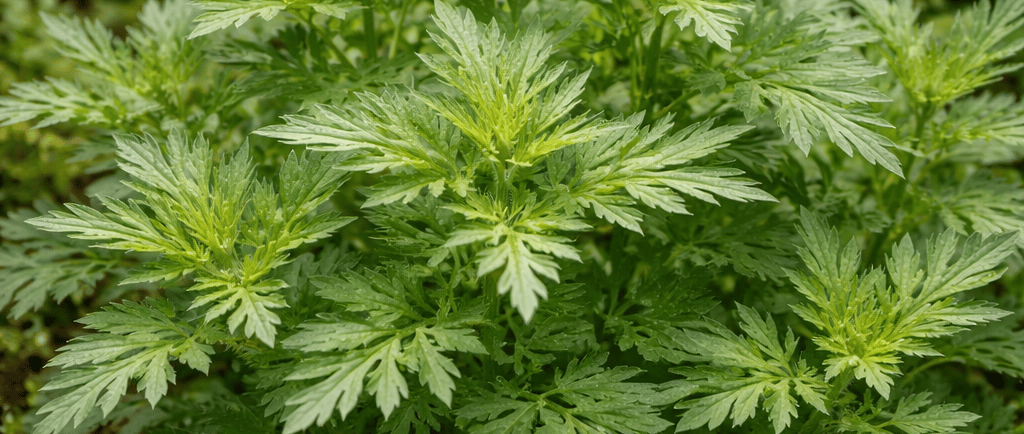
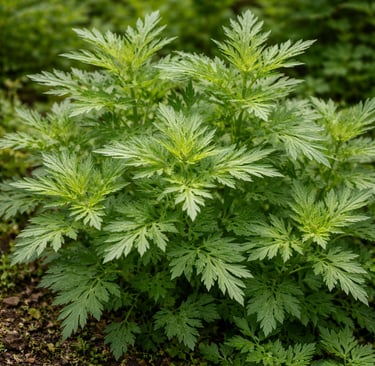
Mugwort (Artemisia vulgaris) is a perennial herb belonging to the daisy family (Asteraceae). Native to Europe, Asia, and northern Africa, the plant now grows widely across North America.
The plant produces tall stems, deeply divided green leaves with silvery undersides, and small reddish or yellow flowers.
The leaves and flowering tops are the medicinal parts most commonly used in herbal medicine.
For centuries, mugwort has been used as a digestive tonic, herbal tea, incense herb, and ritual plant associated with dreamwork and spiritual practices.
Today, mugwort is commonly available in herbal teas, tinctures, capsules, extracts, and dried herb preparations.
The Benefits of Mugwort
Supports Digestive Health
One of the most well-known benefits of mugwort is its ability to support digestion. Mugwort (Artemisia vulgaris) has traditionally been used as a bitter digestive herb that helps stimulate digestive secretions and support the healthy breakdown of food.
Bitter compounds naturally trigger the digestive system to produce saliva, stomach acid, and digestive enzymes. These secretions help the body properly break down food and absorb essential nutrients.
By stimulating digestive activity and supporting digestive secretions, mugwort may help promote digestive comfort and improve overall digestive efficiency.
Supports Relaxation and Nervous System Balance
Mugwort has traditionally been used to calm nervous tension and support emotional balance. Herbal traditions often classify mugwort as a mild nervine herb, meaning it helps regulate nervous system activity.
Balanced nervous system signaling plays an important role in emotional stability, stress management, and overall mental well-being.
By supporting relaxation and calming nervous tension, mugwort may help promote a sense of calm and improved emotional balance.
May Support Dream Awareness
Mugwort has long been associated with vivid dreams and enhanced dream recall. Across many cultures, mugwort has been used in traditional herbal practices to support dream awareness and nighttime mental clarity.
Some herbal traditions believed mugwort helped stimulate deeper dream states and promote more vivid dreaming experiences.
While the exact mechanisms are still being studied, mugwort’s influence on the nervous system may contribute to its historical association with dream enhancement and nighttime awareness.
Supports Healthy Menstrual Balance
Traditional herbal medicine has used mugwort to support menstrual comfort and reproductive health. In many herbal traditions, mugwort was used to support healthy menstrual cycles and circulation within the reproductive system.
The herb’s warming properties may help encourage healthy blood flow and support the body’s natural reproductive rhythms.
By supporting circulation and reproductive balance, mugwort may contribute to menstrual comfort and overall reproductive wellness.
Supports Healthy Inflammatory Balance
Mugwort contains plant compounds that may help regulate inflammatory signaling pathways within the body.
Inflammation is a natural biological response that supports healing and immune defense, but maintaining balanced inflammatory activity is important for long-term tissue health.
By helping regulate inflammatory pathways, mugwort may support healthy tissues, immune balance, and overall physiological stability.
Provides Antioxidant Protection
mugwort contains antioxidant compounds such as flavonoids and phenolic compounds that help neutralize free radicals in the body.
Free radicals are unstable molecules that can damage cells and contribute to oxidative stress. Over time, oxidative stress can affect tissues throughout the body and contribute to inflammation and cellular aging.
The antioxidants found in mugwort help protect cellular structures, supporting long-term tissue health and physiological balance.
Supports Liver and Detoxification Pathways
Bitter herbs like mugwort help stimulate bile production, which plays an important role in liver function and the digestion of fats.
Healthy bile flow helps the body process dietary fats and remove metabolic waste through the digestive system.
By supporting bile production and liver activity, mugwort may help promote metabolic balance and support the body’s natural detoxification pathways.
How mugwort Works (Science + Physiology)
The medicinal properties of mugwort come from a combination of essential oils, flavonoids, sesquiterpene lactones, and phenolic compounds.
Key compounds found in mugwort include:
Thujone
Cineole
Camphor
Flavonoids
Bitter sesquiterpene lactones
Bitter compounds in mugwort activate receptors in the digestive tract that stimulate saliva, stomach acid, and digestive enzyme production.
The plant’s aromatic oils may also influence the nervous system, contributing to calming and relaxing effects.
Some compounds in mugwort may support circulation and smooth muscle activity, which contributes to its traditional use for digestive and menstrual support.
Additionally, antioxidant compounds in the plant help protect cells from oxidative stress.
Through these mechanisms, mugwort supports digestion, nervous system balance, and metabolic health.
Spiritual + Energetic Perspective
mugwort has been deeply associated with dreamwork, intuition, and spiritual awareness in many cultural traditions.
In European and Asian folklore, the herb was believed to enhance dream recall and support insight during sleep.
Energetically, mugwort is often linked with the third eye and intuitive awareness, helping quiet the mind and deepen subconscious exploration.
From a holistic perspective, mugwort is seen as a plant that bridges physical wellness and inner awareness, supporting both bodily balance and dream consciousness.
How to Use Mugwort
Mugwort can be used in several herbal preparations.
Common Forms
Mugwort is available as:
Dried leaf
Powder
Herbal teas
Tinctures
Capsules
Incense or herbal smoke blends
Tea Preparation
Mugwort tea can be prepared by:
Adding 1 teaspoon of dried mugwort leaves to hot water.
Steeping for 10–15 minutes.
Straining and drinking once or twice daily.
Tincture Use
Typical tincture doses range from 10–30 drops, taken one to three times daily depending on the preparation.
Always follow dosage instructions provided on the product label.
Dream Use
Some traditional herbal practices use mugwort tea or herbal pillows before sleep to support dream awareness.
Safety, Side Effects, and Precautions
Mugwort is generally considered safe when used appropriately.
High doses may cause digestive discomfort.
Individuals with allergies to plants in the daisy family should use caution.
Mugwort contains compounds that may stimulate uterine activity, so pregnant individuals should avoid medicinal use.
Excessive use should be avoided due to certain essential oil compounds.
Always follow recommended dosages.
Using moderate amounts and high-quality herbal preparations helps ensure safe use.
Tips for Beginners
If you’re new to mugwort, consider these tips:
Start with mugwort tea as a gentle introduction.
Use small amounts initially to assess tolerance.
Combine with herbs like lemon balm or chamomile for calming blends.
Use occasionally before sleep to support dream recall.
Choose organic mugwort products for best quality.
Final Thoughts
Mugwort is a traditional herbal ally known for supporting digestion, nervous system balance, and dream awareness. Its bitter compounds stimulate digestive function while its aromatic oils help calm the nervous system.
Beyond its physical benefits, mugwort has long been associated with dream exploration and intuitive awareness in traditional herbal practices.
When used thoughtfully, this ancient herb can support digestive health, relaxation, and deeper connection with the body’s natural rhythms.

Explore
Discover the latest in psychedelics, spirituality, and holistic practices.
Connect
MystiConnect Email:
Owners@MystiConnect.com
© 2026. All rights reserved.
Disclaimer:
The information provided on this website is for informational purposes only and is not intended as medical advice. We are not doctors, and none of the products or statements have been evaluated by the FDA. Always consult with a healthcare professional before starting any new health regimen.
Terms of service
Mystiphone... Coming Soon!