Explore And Heal Your Mind soul and body here at MystiConnect!

Licorice Root: The Restorative Adaptogen for Adrenals, Digestion, and Inflammation Balance
When the body is run down by chronic stress, digestive irritation, or inflammatory overload, healing often requires restoration and protection, not stimulation. Licorice root is a deeply nourishing medicinal herb known for supporting adrenal resilience, soothing the gut, balancing inflammation, and restoring energy at the root level. This article explores what licorice root is, its science-backed benefits, how it works in the body, and how to use it safely for stress support, digestion, and long-term vitality.
Landon Thorne
12/30/20254 min read
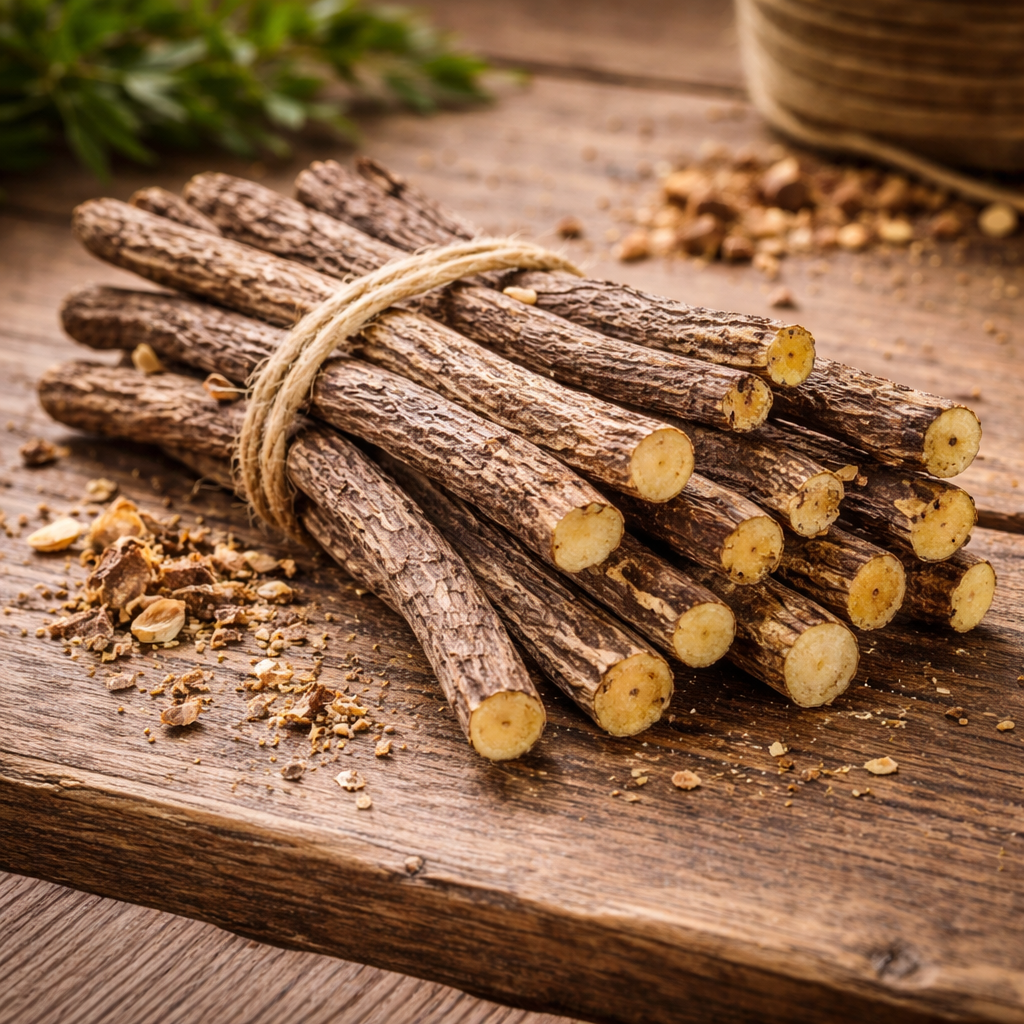
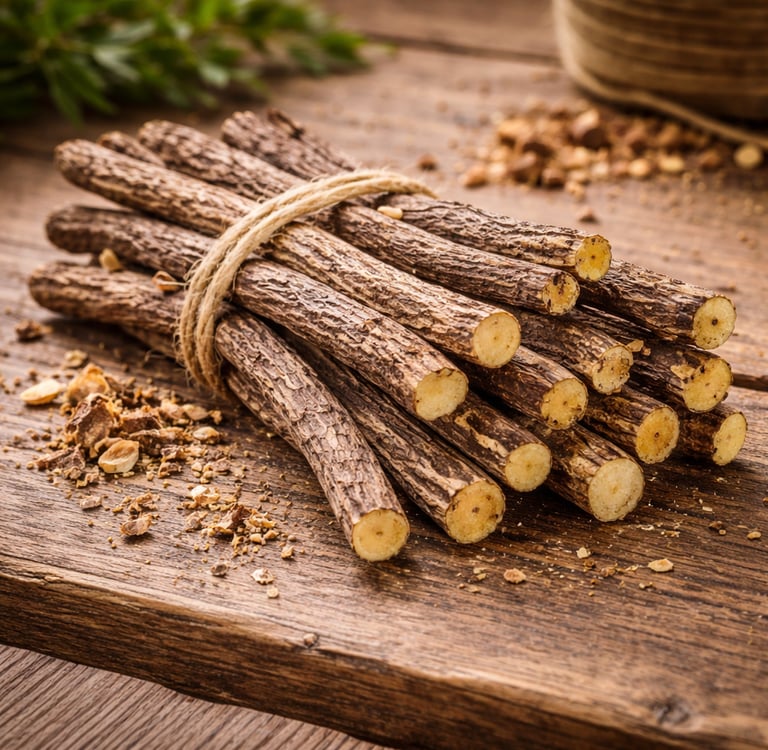
Licorice Root: Benefits, Uses, and How This Traditional Herb Supports Digestion, Stress, and Respiratory Health
Licorice root is a powerful medicinal herb traditionally used to support digestion, adrenal function, and respiratory health. Derived from the root of Glycyrrhiza glabra, licorice has been used for thousands of years in Ayurvedic, Traditional Chinese Medicine (TCM), and Greek herbal traditions.
Known for its naturally sweet flavor and soothing properties, licorice root has been used to calm inflammation, support gut lining integrity, and balance the body during periods of stress. Today, both traditional herbalists and modern research recognize licorice root as a multifunctional herb that supports multiple systems in the body. In this article, we’ll explore what licorice root is, the key benefits of licorice root, how it works in the body, and how to use this traditional herb safely.
What Is Licorice Root?
Licorice root comes from the plant Glycyrrhiza glabra, a perennial herb native to parts of Europe and Asia. The root of the plant is harvested, dried, and used in herbal medicine.
Licorice has been widely used in both Eastern and Western herbal systems as a harmonizing herb, often included in herbal formulas to enhance the effects of other plants.
In Traditional Chinese Medicine, licorice root is considered a tonic herb that supports energy, digestion, and balance across multiple organ systems.
Today, licorice root is available in teas, powders, capsules, tinctures, extracts, and specialized forms such as deglycyrrhizinated licorice (DGL).
The Benefits of Licorice Root
Supports Digestive Health
One of the most well-known benefits of licorice root is its ability to support the digestive system. Licorice (Glycyrrhiza glabra) has been widely used in traditional herbal medicine to soothe the stomach lining and promote digestive comfort.
The root contains compounds that may help support the production of protective mucus in the digestive tract, which helps shield the stomach lining from irritation.
By supporting digestive tissues and promoting a balanced digestive environment, licorice root may help reduce occasional digestive discomfort and support overall gut health.
Supports Gut Lining and Mucosal Health
Licorice contains compounds such as glycyrrhizin and flavonoids that help support and protect mucosal tissues throughout the digestive tract.
The mucosal lining acts as a protective barrier in the stomach and intestines, helping prevent irritation and maintaining proper digestive function.
By supporting the integrity of this lining, licorice root may help maintain gut barrier function and overall digestive wellness.
Supports Stress and Adrenal Function
Licorice root has traditionally been used to support adrenal health and energy balance.
The adrenal glands play a key role in regulating stress hormones such as cortisol. Some compounds in licorice may help influence cortisol metabolism, helping the body maintain more stable levels during periods of stress.
By supporting adrenal function and hormonal balance, licorice root may help promote sustained energy, resilience to stress, and overall vitality.
Supports Respiratory Health
Licorice root has been widely used in herbal medicine to support the lungs, throat, and respiratory tract.
It contains soothing compounds that may help calm irritation in the airways and support healthy mucus balance.
By helping loosen mucus and soothe respiratory tissues, licorice root may contribute to improved breathing comfort and respiratory wellness.
Supports Healthy Inflammatory Balance
Licorice contains plant compounds that may help regulate inflammatory signaling pathways within the body.
Balanced inflammation is important for maintaining healthy tissues, supporting immune responses, and promoting recovery.
By supporting balanced inflammatory activity, licorice root may help contribute to tissue health and overall physiological stability.
Provides Antioxidant Protection
Licorice root contains antioxidant compounds such as flavonoids and phenolic compounds that help neutralize free radicals.
Free radicals are unstable molecules that can damage cellular structures and contribute to oxidative stress.
By supporting cellular protection and reducing oxidative damage, licorice root helps promote long-term tissue health and overall resilience.
Supports Immune System Function
Licorice has traditionally been used to support immune resilience and balanced immune responses.
Its antimicrobial and anti-inflammatory compounds may help support the body’s ability to respond to environmental stressors.
By supporting immune system activity and overall physiological balance, licorice root may contribute to long-term health and wellness.
How Licorice Root Works (Science + Physiology)
The therapeutic effects of licorice root come from a variety of bioactive compounds.
Key compounds include:
Glycyrrhizin
Liquiritin
Glabridin
Flavonoids
Saponins
Glycyrrhizin is one of the most important compounds in licorice root and is responsible for many of its biological effects.
This compound can influence cortisol metabolism by slowing the breakdown of cortisol in the body, which may help support adrenal function and stress resilience.
Licorice also contains demulcent compounds, which form a soothing layer over mucous membranes in the digestive and respiratory systems.
Flavonoids such as glabridin provide antioxidant protection and help regulate inflammatory responses.
Through these mechanisms, licorice root supports digestion, adrenal balance, respiratory health, and immune function.
Spiritual + Energetic Perspective
In traditional herbal systems, licorice root is often seen as a harmonizing and balancing herb.
It is believed to bring synergy to herbal formulas and help unify different systems within the body.
Energetically, licorice is associated with nourishment, grounding, and restoration of balance.
From a holistic perspective, the herb supports both physical and energetic equilibrium, helping the body return to a state of stability.
How to Use Licorice Root
Licorice root can be used in several herbal preparations.
Common Forms
Licorice root is available as:
Dried root
Powder
Herbal tea
Capsules
Tinctures
DGL (deglycyrrhizinated licorice)
Tea Preparation
Licorice root tea can be prepared by:
Adding 1 teaspoon of dried licorice root to hot water.
Steeping for 10–15 minutes.
Straining and drinking once or twice daily.
Because licorice root is dense, it may also be prepared as a decoction by simmering the root.
Powder Use
Licorice powder can be added to:
Herbal blends
Teas
Tonics
Typical amounts vary depending on preparation.
DGL Use
DGL is a form of licorice root with glycyrrhizin removed.
It is commonly used to support digestive health without affecting cortisol levels.
Safety, Side Effects, and Precautions
Licorice root should be used with awareness, especially in higher doses.
High intake of glycyrrhizin may raise blood pressure.
Long-term excessive use may affect electrolyte balance.
Individuals with hypertension should use caution.
DGL is preferred for long-term digestive support.
Pregnant individuals should consult a healthcare provider before use.
Moderate, short-term use is generally well tolerated.
Tips for Beginners
If you’re new to licorice root, consider these tips:
Start with licorice tea for gentle use.
Use DGL if focusing on digestive support.
Combine with herbs like ginger or peppermint for digestive blends.
Choose high-quality licorice root products.
Avoid excessive long-term use.
Final Thoughts
Licorice root is a deeply respected herbal medicine known for supporting digestion, stress balance, and respiratory health. Its unique compounds help soothe mucous membranes, support adrenal function, and protect the body from oxidative stress.
In traditional systems, licorice is valued not only for its direct effects but also for its ability to harmonize and enhance other herbs.
When used thoughtfully, licorice root can support balance across multiple systems, contributing to long-term wellness and resilience.

Explore
Discover the latest in psychedelics, spirituality, and holistic practices.
Connect
MystiConnect Email:
Owners@MystiConnect.com
© 2026. All rights reserved.
Disclaimer:
The information provided on this website is for informational purposes only and is not intended as medical advice. We are not doctors, and none of the products or statements have been evaluated by the FDA. Always consult with a healthcare professional before starting any new health regimen.
Terms of service
Mystiphone... Coming Soon!