Explore And Heal Your Mind soul and body here at MystiConnect!

Herbs for Sleep Problems
Sleep problems are rarely just about being tired. They’re usually a sign of nervous system dysregulation, stress chemistry imbalance, or disrupted circadian rhythm. Herbs support sleep not by knocking you out, but by helping the body feel safe enough to rest. When used correctly, they calm overactivity, deepen sleep quality, and restore the natural sleep–wake cycle. This guide explores the best herbs for sleep problems, how they work, and how to choose the right support for your specific sleep pattern.
Landon Thorne
12/31/20256 min read
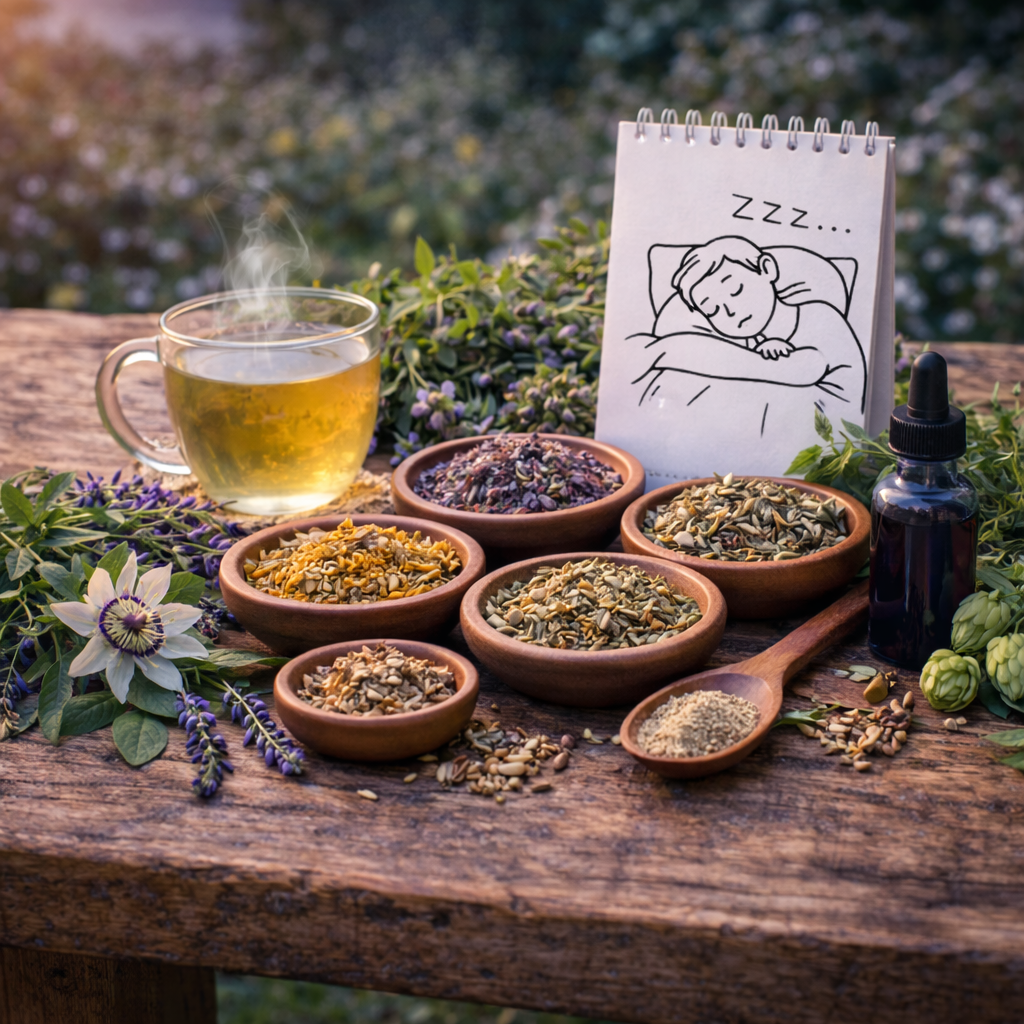
Why Sleep Problems Happen — And How Herbs Help Restore Natural Sleep Rhythm
Sleep is one of the most important biological processes for recovery, cognitive function, immune health, emotional balance, and long-term vitality. Yet sleep problems have become increasingly common in modern life.
Difficulty sleeping is rarely caused by a simple lack of tiredness. In most cases, the body is tired — but the nervous system is unable to fully relax.
Healthy sleep depends on a coordinated interaction between the nervous system, endocrine system, metabolism, and circadian rhythm.
When these systems fall out of balance, the body may struggle to enter or maintain restorative sleep.
Healthy sleep typically requires:
a calm and regulated nervous system
balanced stress hormone rhythms
stable blood sugar levels overnight
proper circadian rhythm signaling
sufficient neurotransmitter balance
a sense of physiological safety
consistent daily rhythms
When one or more of these systems become disrupted, sleep issues may develop.
Common sleep challenges include:
difficulty falling asleep despite feeling tired
frequent waking during the night
light or unrefreshing sleep
waking earlier than desired with mental activation
restless or wired feelings at night
feeling tired but unable to fully relax
inconsistent sleep patterns
Herbal medicine approaches sleep by addressing underlying patterns rather than simply suppressing wakefulness.
Instead of forcing sedation, herbs support the biological conditions that allow sleep to occur naturally.
Different Sleep Problems Require Different Herbs
There is no single herb that resolves all sleep difficulties.
Sleep problems generally fall into several common patterns, each with distinct underlying causes.
Understanding these patterns helps guide herb selection.
Common sleep patterns include:
Trouble Falling Asleep
Often associated with mental overstimulation, elevated stress hormones, or difficulty transitioning from activity into rest.
Waking During the Night
May be linked to blood sugar instability, stress hormone fluctuations, or persistent nervous system vigilance.
Early Waking with Anxiety
Often associated with cortisol rhythm imbalance or chronic stress patterns.
Light or Non-Restorative Sleep
Sleep occurs but does not feel deep or refreshing. The nervous system may not be fully shifting into restorative states.
Matching herbs to the pattern improves effectiveness and reduces unnecessary reliance on stronger sedatives.
Best Herbs for Trouble Falling Asleep
Difficulty falling asleep often involves mental overactivity, nervous system stimulation, or difficulty disengaging from the day.
These herbs help the body transition into rest by calming mental activity and supporting parasympathetic nervous system activation.
Passionflower
Passionflower is commonly used when the mind feels active or restless at bedtime.
It helps reduce repetitive thinking patterns and supports the brain’s ability to disengage from stimulation.
Passionflower may influence GABA signaling pathways, which help calm neural activity and support relaxation.
It is particularly useful for:
racing thoughts
mental overstimulation
nervous tension
difficulty transitioning into sleep
Passionflower promotes calm awareness rather than heavy sedation.
Lemon Balm
Lemon balm supports relaxation while maintaining gentle mental clarity.
It is especially helpful when stress or digestive discomfort interferes with sleep onset.
Because digestion and nervous system activity are closely connected, reducing digestive tension may help the body settle more easily.
Lemon balm is particularly useful for:
stress-related sleep difficulty
tension in the body
mild nervous restlessness
difficulty winding down in the evening
Lavender
Lavender supports sensory relaxation and emotional calm.
Its aromatic compounds may influence neurotransmitter signaling involved in relaxation and stress reduction.
Lavender may be particularly helpful for:
evening anxiety
overstimulation from screens or activity
difficulty mentally disengaging
sensitivity to environmental stress
These herbs are commonly taken 30–60 minutes before bedtime, often as teas, tinctures, or aromatic preparations.
Best Herbs for Waking During the Night
Waking during the night can occur when the nervous system remains partially alert even during sleep.
Blood sugar fluctuations, cortisol rhythm disruption, or stress signaling may trigger repeated awakenings.
Chamomile
Chamomile supports nervous system calm and digestive relaxation.
It helps reduce mild tension that may disrupt sleep continuity.
Chamomile may also support parasympathetic nervous system activity, which is necessary for sustained sleep.
Skullcap
Skullcap supports deep nervous system relaxation and may reduce mental looping patterns that interfere with sleep maintenance.
It is often used when the mind becomes active again after initially falling asleep.
Skullcap may help the body remain in deeper sleep phases rather than shifting back into lighter sleep states.
Passionflower (Low Dose)
At lower doses, passionflower may help reduce nighttime mental activation without causing grogginess.
These herbs focus on sleep continuity rather than simply initiating sleep.
Best Herbs for Early Waking with Anxiety
Waking earlier than desired with a racing mind is often linked to stress hormone imbalance.
Cortisol naturally rises in the early morning, but excessive cortisol elevation may trigger premature waking accompanied by mental activity.
Ashwagandha
Ashwagandha supports stress hormone balance and nervous system recovery.
Rather than acting as a sedative, it helps regulate the body’s stress response over time.
Ashwagandha is typically used daily rather than only at night.
It supports more stable cortisol rhythms and improved stress resilience.
Holy Basil (Tulsi)
Holy basil supports emotional balance and circadian rhythm stability.
It may help regulate stress-related hormonal fluctuations that influence sleep patterns.
Holy basil is often used as a daily adaptogenic herb.
Lemon Balm
When used consistently, lemon balm may reduce early-morning mental activation and support overall nervous system calmness.
These herbs work gradually by supporting stress regulation rather than producing immediate sedation.
Best Herbs for Light or Non-Restorative Sleep
Some individuals fall asleep easily but wake feeling unrefreshed.
This pattern may indicate incomplete nervous system downregulation.
The body may remain partially alert during sleep cycles.
Skullcap
Skullcap supports deeper nervous system relaxation and may improve sleep depth.
It helps reduce neural hyperactivity that may prevent full restorative sleep.
Chamomile
Chamomile encourages parasympathetic nervous system dominance, allowing the body to fully shift into rest-and-repair mode.
It also supports digestive calmness, which may influence sleep depth.
Gentle Adaptogens (Daytime Use)
Daytime stress resilience strongly influences nighttime sleep quality.
Adaptogenic herbs used during the day may reduce nervous system hyperactivation and improve sleep depth at night.
Deep sleep is often built through balanced daily rhythms rather than nighttime interventions alone.
Sedative Herbs: When to Use (and When Not To)
Some herbs produce stronger sedative effects.
These herbs may be appropriate:
during short-term sleep disturbances
during periods of acute stress
when temporary support is needed
when other supportive strategies are insufficient
However, sedative herbs are not typically intended for indefinite daily use.
Long-term reliance on strong sedatives may mask underlying imbalance.
Restoring nervous system regulation often produces more sustainable improvement.
Herbal medicine generally prioritizes restoring sleep rhythm rather than forcing sedation.
How Sleep Herbs Work (Science + Physiology)
Sleep-supportive herbs influence several physiological pathways.
They may help by:
enhancing parasympathetic nervous system activity
modulating GABA signaling pathways
supporting serotonin balance
reducing excessive cortisol production
improving circadian rhythm signaling
supporting melatonin regulation
improving stress recovery mechanisms
Rather than inducing unconsciousness, these herbs create the internal conditions necessary for natural sleep processes.
Sleep is invited rather than forced.
Choosing the Right Sleep Herb for You
Identifying patterns helps guide herb selection.
Helpful questions include:
is my mind racing or is my body physically tense?
do I wake feeling anxious or simply restless?
is daytime stress high?
am I sensitive to sedative substances?
do I feel wired but tired?
General matching patterns:
racing thoughts → calming nervine herbs
stress-related waking → adaptogenic regulation
restless sleep → gentle calming herbs
burnout-related insomnia → long-term nervous system support
inconsistent sleep schedule → circadian rhythm support
Matching herbs to the pattern often produces better results than choosing herbs randomly.
Best Forms for Sleep Support
Sleep-supportive herbs are available in several forms.
Teas
Herbal teas support relaxation and hydration.
They also create a calming bedtime ritual that signals the nervous system to prepare for rest.
Teas are often well tolerated and suitable for daily use.
Tinctures
Tinctures provide concentrated herbal support and may act more quickly.
They allow flexible dosing for both short-term and long-term use.
Capsules
Capsules provide convenience and consistent dosing.
They may be useful for individuals with busy schedules or travel needs.
Many individuals benefit from combining a calming tea ritual with low-dose tinctures.
Consistency often improves results more than intensity.
Common Mistakes with Sleep Herbs
Sleep herbs are sometimes used incorrectly, limiting effectiveness.
Common mistakes include:
using strong sedatives nightly without addressing stress patterns
taking doses that are unnecessarily high
expecting rapid resolution of chronic sleep issues
ignoring caffeine intake and evening stimulation
using screens late at night without wind-down time
switching herbs too frequently
focusing only on nighttime support rather than daytime stress regulation
Sleep patterns often improve gradually as nervous system balance returns.
Consistency and rhythm often produce more sustainable outcomes.
Spiritual and Energetic Perspective
Sleep represents the body’s ability to release control.
Falling asleep requires a sense of safety within the nervous system.
When the body perceives threat, it may remain partially alert even when physically tired.
Sleep-supportive herbs do more than calm physiology — they help restore the sense that it is safe to rest.
They support the shift from vigilance into restoration.
When the nervous system feels safe, sleep often returns naturally.
Sleep becomes less of a struggle and more of a rhythm.
Tips for Beginners
If you are new to herbal sleep support:
begin with one herb at a time
start with small amounts
support daytime stress regulation
maintain consistent sleep and wake times
reduce stimulation before bed
create a calming evening routine
track sleep quality rather than only sleep duration
Improved sleep often first appears as deeper rest rather than longer sleep.
Subtle changes often occur before noticeable improvements.
Final Thoughts
Herbs for sleep difficulties do not override the body’s natural intelligence.
They help restore the internal rhythms that allow sleep to occur naturally.
When stress chemistry settles, nervous system activity balances, and circadian signals align, sleep becomes easier and more restorative.
Sleep returns not because it was forced, but because the body remembered how to rest.
That is the foundation of true restoration.
And that is where herbal support is most effective.

Explore
Discover the latest in psychedelics, spirituality, and holistic practices.
Connect
MystiConnect Email:
Owners@MystiConnect.com
© 2026. All rights reserved.
Disclaimer:
The information provided on this website is for informational purposes only and is not intended as medical advice. We are not doctors, and none of the products or statements have been evaluated by the FDA. Always consult with a healthcare professional before starting any new health regimen.
Terms of service
Mystiphone... Coming Soon!