Explore And Heal Your Mind soul and body here at MystiConnect!

Herbs for Immunity
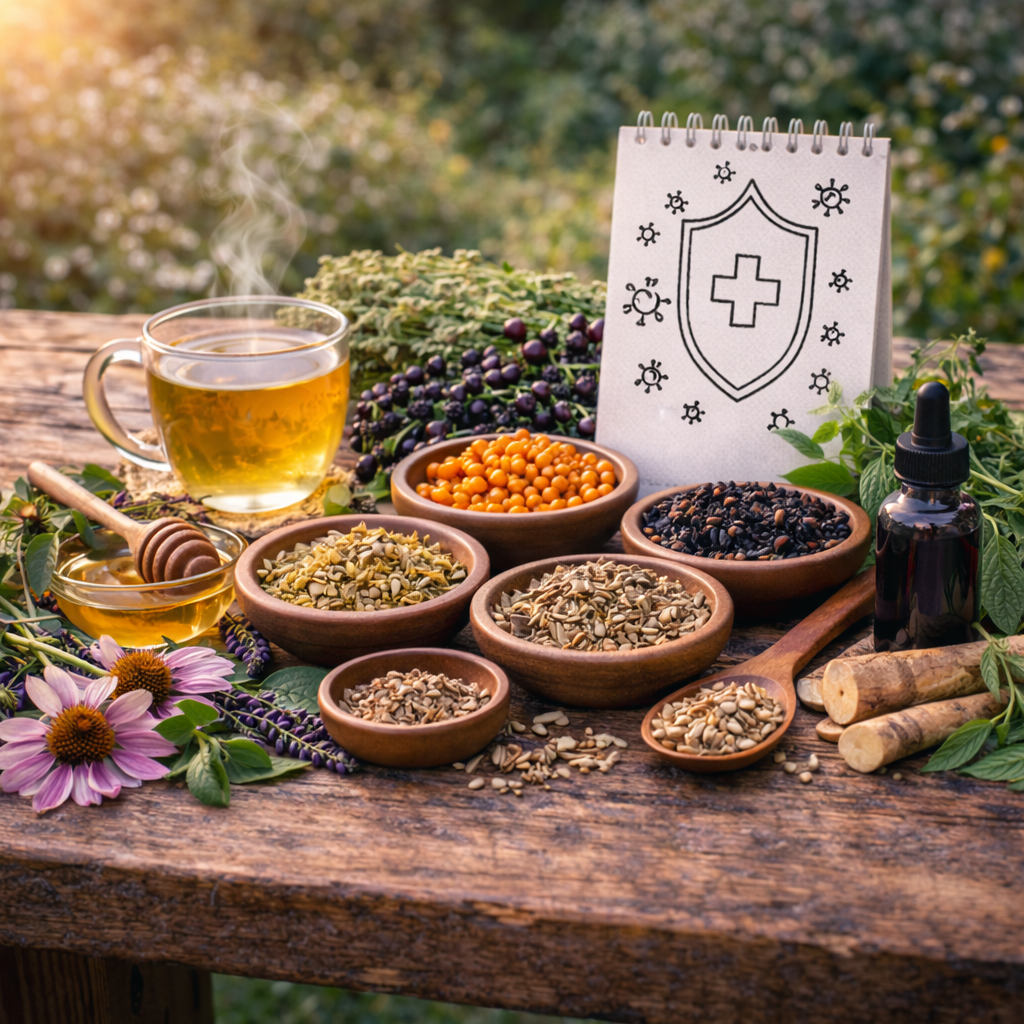
Immunity isn’t about being “strong” all the time. It’s about being responsive, balanced, and resilient. A healthy immune system knows when to activate, when to calm down, and how to recover after stress or illness. Herbs support immunity not by forcing constant stimulation, but by teaching the immune system how to regulate itself. This guide explores the best herbs for immunity, how they work, and how to choose the right type of immune support for your body.
Landon Thorne
12/31/20255 min read
What a Healthy Immune System Really Does
A truly healthy immune system is not constantly activated or aggressively fighting. In fact, constant immune activation often indicates imbalance rather than strength.
Strong immunity is defined by precision, adaptability, and regulation.
A well-functioning immune system is able to:
recognize potential threats quickly
respond appropriately to challenges
eliminate harmful pathogens efficiently
avoid damaging healthy tissues
regulate inflammation effectively
return to a balanced resting state after the threat is resolved
Healthy immune function is not about being “strong” in the sense of being constantly stimulated. Instead, it is about being intelligent and responsive.
Many immune-related issues arise not from weakness, but from dysregulation.
This dysregulation can appear as:
under-response, where the body struggles to defend itself effectively
overreaction, where the immune system produces excessive inflammation
delayed recovery, where the immune system remains activated too long
hypersensitivity, where harmless stimuli trigger immune responses
Herbal medicine supports immune intelligence by helping the body regulate its response rather than forcing it into constant activation.
Herbs help restore communication between immune cells, tissues, and signaling pathways.
Two Types of Immune Support Herbs
Understanding the difference between short-term immune activation and long-term immune regulation is essential for using herbs effectively.
Both approaches serve important roles.
Acute Immune Support
Acute immune herbs are typically used short-term when symptoms are present or when exposure risk is elevated.
These herbs help:
increase immune awareness
support faster response speed
assist the body in clearing pathogens
reduce symptom duration
Acute herbs are most effective when used early and intentionally.
They are not typically designed for continuous long-term daily use.
Long-Term Immune Regulation
Long-term immune herbs support resilience without overstimulating the immune system.
These herbs help:
regulate inflammatory signaling
support recovery after illness
improve immune tolerance
maintain balanced immune vigilance
strengthen stress resilience
Long-term immune support focuses on stability rather than intensity.
Using acute herbs continuously may create unnecessary stimulation.
Using only gentle tonics during active illness may not provide enough support.
Balanced use of both categories supports sustainable immune function.
Best Herbs for Acute Immune Support
Acute immune herbs are most often used when symptoms first appear or when exposure risk is increased.
Elderberry
Elderberry has traditionally been used to support antiviral immune responses.
It contains anthocyanins and flavonoids that may help enhance immune signaling and reduce viral replication activity.
Elderberry is commonly used at the earliest signs of respiratory symptoms to help reduce symptom severity and duration.
It is most effective when used early rather than late in the illness cycle.
Echinacea
Echinacea supports immune cell communication and response speed.
It may help increase activity of macrophages, natural killer cells, and other components of the innate immune system.
Echinacea is typically used short-term during early-stage immune challenges rather than continuously.
It is often included in immune support protocols designed for acute use.
Oregano (Extract Form)
Oregano contains compounds such as carvacrol and thymol that provide strong antimicrobial activity.
Due to its intensity, oregano extract is often reserved for short-term use.
It may be helpful when microbial pressure is elevated or when immune defense requires additional support.
Because of its strength, prolonged use is generally avoided.
Ginger
Ginger supports circulation, warming response, and immune activation.
It may help improve blood flow to tissues and support mobilization of immune resources.
Ginger also supports digestive function, which plays an important role in immune health.
During acute immune challenges, ginger may help maintain comfort and support physiological resilience.
These herbs are primarily used to mobilize immune response rather than maintain long-term immune balance.
Best Herbs for Long-Term Immune Resilience
Long-term immune herbs support stability, recovery, and balanced immune signaling.
These herbs are often used consistently over time.
Astragalus
Astragalus has been used traditionally as an immune tonic that supports long-term resilience.
It may help regulate immune signaling and support recovery after stress or illness.
Astragalus is often used during periods of high stress, seasonal change, or increased workload.
It supports immune readiness without overstimulation.
Reishi
Reishi mushroom supports immune modulation and inflammatory balance.
Rather than strongly stimulating immune activity, reishi helps regulate immune signaling pathways.
It supports both immune activation when needed and immune calming when appropriate.
Reishi is often associated with long-term resilience and systemic balance.
Turkey Tail
Turkey tail mushroom supports gut-associated immune tissue and microbial balance.
It contains polysaccharides that support immune signaling pathways and microbial diversity.
Because gut health plays a major role in immune regulation, supporting gut balance often improves immune function.
Turkey tail is commonly used as a daily immune-supportive mushroom.
Maitake
Maitake mushroom supports immune modulation and metabolic health.
It may help improve immune recognition while also supporting blood sugar balance.
Maitake provides steady immune support without excessive stimulation.
These herbs are focused on maintaining balance and improving immune resilience over time.
The Gut–Immune Connection
A significant portion of immune activity occurs within the digestive system.
Approximately 70 percent of immune tissue is associated with the gut.
Gut-associated lymphoid tissue plays a major role in:
recognizing microbial patterns
regulating immune tolerance
producing immune signaling molecules
maintaining barrier integrity
Herbs that support immune health often do so by improving digestive health.
Supporting the gut may:
strengthen intestinal barrier function
reduce inflammatory signaling
improve microbial diversity
enhance nutrient absorption
support immune communication pathways
Digestive health and immune health are deeply interconnected.
When gut function improves, immune function often improves as well.
Why Overstimulating Immunity Can Backfire
Constant immune stimulation can create unintended effects.
Excessive stimulation may lead to:
increased inflammatory signaling
greater physiological stress
immune fatigue
reduced immune precision
increased sensitivity reactions
exacerbation of autoimmune tendencies
Immune systems function best when they can respond dynamically rather than remain constantly activated.
Herbs that modulate immune response are often more appropriate for long-term use than herbs that strongly stimulate immune activity.
Balanced signaling helps maintain immune clarity.
How Immune Herbs Work (Science and Physiology)
Immune-supportive herbs influence communication pathways within the immune system.
They may support:
cytokine signaling regulation
white blood cell activity
antioxidant protection
stress recovery mechanisms
gut-associated immune tissue
inflammatory balance
tissue repair processes
Many herbs influence both innate and adaptive immune responses.
Rather than forcing immune reactions, they improve coordination between immune components.
Improved coordination often leads to more efficient immune responses.
Immunity and the Nervous System
The nervous system and immune system communicate continuously.
Chronic stress may suppress immune signaling and increase inflammatory load.
Herbs that support immune health often:
help regulate cortisol levels
support restorative sleep
improve parasympathetic nervous system activity
reduce physiological stress load
Stress-regulating herbs may improve immune resilience indirectly by restoring nervous system balance.
When the nervous system shifts into a restorative state, immune recovery often improves.
Choosing the Right Immune Herb for You
Observing patterns helps guide herb selection.
Helpful questions include:
am I currently experiencing symptoms or trying to prevent illness?
do I feel inflamed or depleted?
is stress affecting my health?
do I become ill frequently?
does recovery take longer than expected?
General matching patterns:
frequent illness → long-term immune tonics
early symptoms → acute immune herbs
inflammatory tendencies → immune modulators
stress-related immune suppression → nervous system supportive herbs
slow recovery → restorative tonics
Selecting herbs based on patterns often produces more consistent results.
Best Forms for Immune Support
Immune-supportive herbs are available in multiple forms.
Tinctures
Fast-acting and concentrated.
Often used for acute immune support.
Teas
Gentle and hydrating.
Suitable for daily use and long-term immune support.
Powders and Decoctions
Often used for mushrooms and tonic herbs.
Provide sustained and nourishing support.
Form selection may depend on duration, intensity, and preference.
Timing often matters more than dosage strength.
Common Mistakes with Immune Herbs
Common mistakes include:
taking stimulating herbs continuously without clear need
overusing strong antimicrobial herbs
neglecting sleep and nutritional support
ignoring the role of stress in immune function
changing herbs too frequently
focusing only on symptom suppression
Immune resilience develops gradually.
Consistency often produces better results than intensity.
Spiritual and Energetic Perspective
From a holistic perspective, immunity reflects the body’s ability to distinguish between self and non-self.
Healthy immune function involves clarity and discernment.
When the body feels supported, nourished, and safe, immune response becomes more precise.
Herbs support this clarity by helping regulate communication within the body.
True immune strength involves appropriate response rather than constant defense.
Balance allows the body to engage when necessary and rest when appropriate.
Tips for Beginners
If you are new to immune-supportive herbs:
use acute herbs only when needed
build resilience with consistent tonic support
prioritize sleep and stress management
support digestion and nutrient intake
observe recovery time rather than only symptom frequency
think in seasonal cycles rather than short-term fixes
Often, improved immune function appears as fewer illnesses and faster recovery.
Final Thoughts
The most effective immune-supportive herbs do not push the immune system into constant activity.
They help educate the immune system to respond appropriately.
By supporting regulation, reducing stress load, and strengthening recovery pathways, herbs help the immune system perform its natural role:
to protect without causing harm,
to respond without overreacting,
and to return to balance efficiently.
Healthy immunity is not constant defense.
It is intelligent response.
That is immunity functioning as it is designed to function.

Explore
Discover the latest in psychedelics, spirituality, and holistic practices.
Connect
MystiConnect Email:
Owners@MystiConnect.com
© 2026. All rights reserved.
Disclaimer:
The information provided on this website is for informational purposes only and is not intended as medical advice. We are not doctors, and none of the products or statements have been evaluated by the FDA. Always consult with a healthcare professional before starting any new health regimen.
Terms of service
Mystiphone... Coming Soon!