Explore And Heal Your Mind soul and body here at MystiConnect!

Herbs for Bloating
Bloating isn’t just uncomfortable—it’s a signal. It tells you something in digestion, nervous system regulation, or gut motility is out of sync. Herbs for bloating don’t simply “deflate” the belly. They work by restoring movement, signaling, and coordination in the digestive system so bloating becomes less frequent—and eventually unnecessary. This guide explains the best herbs for bloating, why bloating happens, and how to choose the right herbal support for your body.
Landon Thorne
12/31/20256 min read
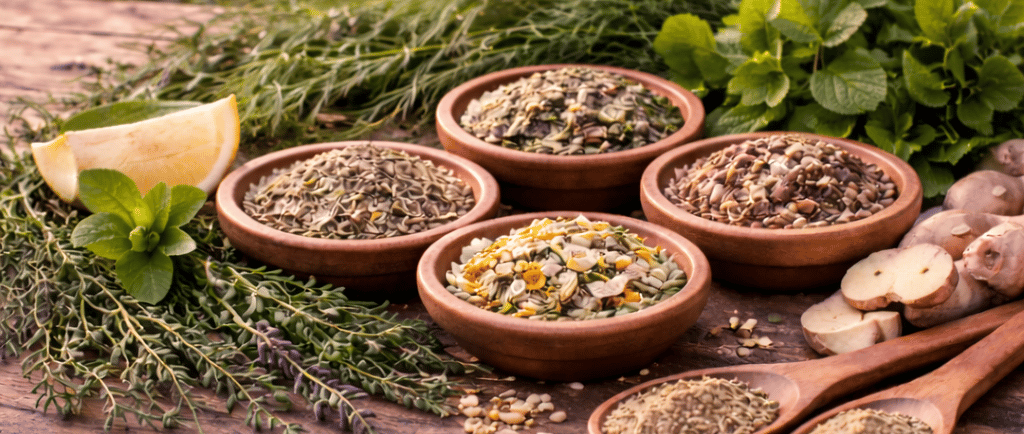

Herbs for Bloating: Understanding the Root Cause and How Herbs Restore Digestive Flow
Bloating is one of the most common digestive complaints, yet it is also one of the most misunderstood. Many people assume bloating is simply caused by excess gas, but in reality, bloating is usually the result of disrupted communication within the digestive system.
Herbal medicine approaches bloating by supporting the body’s natural digestive rhythm rather than forcing symptoms to disappear. When digestion functions smoothly, gas moves normally, food breaks down efficiently, and the nervous system allows the gut to operate without resistance.
Understanding why bloating happens is the key to choosing the right herbs.
What Bloating Really Is
Bloating occurs when the digestive system struggles to properly process, move, or absorb food. This can create pressure, fullness, tightness, or visible abdominal distention.
Bloating is typically caused by one or more of the following:
Poor breakdown of food due to low stomach acid or digestive enzymes
Trapped gas caused by weak intestinal motility
Nervous system shutdown during digestion (stress response)
Fermentation from undigested carbohydrates
Weak bile flow affecting fat digestion
Inflammation or irritation in the digestive tract
Dysregulation of gut bacteria
Eating too quickly or while stressed
The key insight: bloating is rarely just gas. It is usually a signaling issue within digestion.
When digestive signaling weakens, food is not broken down efficiently. When movement slows, pressure builds. When stress interferes with the vagus nerve, the gut enters a protective state rather than an active digestive state.
Bloating is often the body’s way of indicating that digestion needs support.
Different Types of Bloating (This Matters)
Bloating often looks similar externally, but the internal causes can vary significantly. Different herbal strategies work best for different patterns.
Common bloating patterns include:
Bloating Immediately After Eating
Often linked to low stomach acid, enzyme insufficiency, or impaired vagus nerve signaling. Food is not properly broken down, creating early pressure and fullness.
Bloating Hours After Eating
Often associated with fermentation of undigested carbohydrates by gut bacteria. This can lead to gas production later in the digestive process.
Bloating with Cramping or Gas
Often linked to intestinal spasms, tension, or irregular motility patterns. Gas becomes trapped rather than moving freely.
Bloating with Heaviness or Fatigue
May indicate sluggish digestion, weak bile flow, or slow metabolic signaling. The digestive system may feel burdened rather than active.
Stress-Triggered Bloating
Stress activates the sympathetic nervous system (“fight or flight”), which suppresses digestive activity. This can cause bloating even when diet is consistent.
Different herbs support different digestive mechanisms, which is why identifying the pattern is important.
Best Herbs for Gas and Cramping
These herbs help relax intestinal tension and allow trapped gas to move naturally through the digestive tract.
Fennel
Fennel is a classic carminative herb used for centuries to reduce digestive discomfort.
It helps relax smooth muscle tissue in the intestines, allowing gas to disperse rather than accumulate. Fennel also supports digestive enzyme activity and reduces intestinal spasms.
Fennel is particularly useful for:
• Gas-related bloating
• Post-meal pressure
• Cramping discomfort
• Digestive tension
Peppermint
Peppermint supports intestinal motility while also reducing spasms in digestive smooth muscle.
Menthol compounds in peppermint help regulate calcium channels involved in muscle contraction, allowing the intestines to relax and move more rhythmically.
Peppermint is especially helpful for:
• Tight, uncomfortable bloating
• Irritable bowel patterns
• Gas with cramping
• Sensitivity after meals
Chamomile
Chamomile supports both the digestive system and nervous system simultaneously.
Because the gut and brain are closely connected through the vagus nerve, calming the nervous system can directly reduce digestive tension.
Chamomile is particularly useful when bloating is worsened by stress, emotional tension, or nervous system dysregulation.
These herbs are most effective when used after meals or when symptoms appear.
Best Herbs for Sluggish Digestion and Heaviness
When bloating feels dense, heavy, or stagnant, the digestive system may need gentle stimulation.
Ginger
Ginger is a warming herb that stimulates circulation and digestive signaling.
It supports gastric emptying, improves motility, and enhances digestive enzyme activity. Ginger helps food move efficiently through the digestive tract, reducing stagnation and fermentation.
Ginger is especially useful for:
• Slow digestion
• Heaviness after meals
• Cold digestive patterns
• Feeling overly full after small meals
Bitter Herbs
Bitter herbs stimulate digestive secretions including stomach acid, bile, and pancreatic enzymes.
Bitters activate taste receptors that signal the body to prepare for digestion. This improves breakdown of proteins, fats, and carbohydrates upstream, reducing fermentation and gas production later.
Common bitter herbs include:
• Gentian
• Dandelion root
• Artichoke leaf
• Chicory root
These herbs are most effective when taken before meals.
Best Herbs for Sensitive or Irritated Digestion
When bloating is accompanied by irritation, burning, or sensitivity, stimulation may worsen symptoms. In these cases, soothing herbs help restore digestive comfort.
Marshmallow Root
Marshmallow root is a demulcent herb that forms a soothing gel-like consistency when mixed with water.
It coats the digestive lining and helps reduce irritation, dryness, and inflammatory discomfort.
Marshmallow root is especially helpful for:
• Reactive digestion
• Burning sensations
• Irritated gut lining
• Sensitive stomach patterns
Slippery Elm
Slippery elm nourishes and protects digestive tissues while supporting gentle healing.
It does not stimulate digestion aggressively but instead creates an environment where the gut can recover normal function.
Demulcent herbs are best used consistently rather than only when symptoms appear.
These herbs create safety within digestion rather than force movement.
Best Herbs for Stress-Related Bloating
Stress has a profound effect on digestion.
When the body enters a stress state, blood flow shifts away from the digestive organs, enzyme secretion decreases, and motility becomes irregular.
Lemon Balm
Lemon balm helps regulate the gut–brain axis by calming nervous system signaling.
It reduces stress-related digestive tension and supports parasympathetic nervous system activation, which is necessary for proper digestion.
Lemon balm is particularly useful for:
• Stress-triggered bloating
• Digestive discomfort during anxiety
• Irregular digestion linked to nervous system imbalance
Gentle Nervines
Nervine herbs support nervous system tone and help the body shift into a state where digestion can occur effectively.
Examples include:
• Skullcap
• Passionflower
• Chamomile
• Holy basil
When the nervous system relaxes, digestive rhythm often improves naturally.
Best Herbs for Bloating from Poor Bile Flow
Fat digestion issues can create bloating that feels persistent and difficult to relieve.
When bile production or bile flow is insufficient, fats are not properly emulsified, leading to heaviness and pressure.
Dandelion Root
Dandelion root supports liver function and bile production.
Healthy bile flow helps the body digest fats efficiently and prevents stagnation in the digestive tract.
Dandelion root is especially useful for:
• Bloating after fatty meals
• Feeling full for long periods
• Sluggish digestion
• Liver-related digestive patterns
Artichoke Leaf
Artichoke leaf supports bile release and digestive efficiency.
It also supports liver enzyme activity and may improve fat metabolism.
Supporting bile flow often resolves bloating that does not respond to gas-relief herbs.
How Herbs Reduce Bloating (Science + Physiology)
Digestive herbs influence multiple physiological pathways simultaneously.
They may help by:
• Improving digestive signaling between the brain and gut
• Increasing stomach acid and enzyme production
• Supporting bile flow for fat digestion
• Enhancing intestinal motility
• Relaxing intestinal spasms
• Supporting microbial balance
• Activating the vagus nerve
• Reducing inflammatory signaling
Rather than masking symptoms, herbs support the underlying processes that allow digestion to function smoothly.
When digestive rhythm is restored, gas production decreases naturally.
Timing Is Critical for Bloating Relief
Digestive herbs often fail simply because they are taken at the wrong time.
Timing influences how herbs interact with digestive physiology.
General timing guidelines:
• Bitters and ginger → before meals
• Carminative herbs → after meals or during discomfort
• Demulcent herbs → between meals or consistently
• Nervine herbs → daily or during stress
Correct timing often matters more than dosage.
Common Mistakes with Bloating Herbs
Many people do not experience results because the herb chosen does not match the digestive pattern.
Common mistakes include:
• Using stimulating herbs when irritation is present
• Taking bitters after meals instead of before meals
• Ignoring stress and eating pace
• Combining too many herbs at once
• Expecting chronic bloating to resolve immediately
• Switching herbs too quickly
• Not using herbs consistently
Digestive healing often occurs gradually as patterns normalize.
Choosing the Right Herb for Your Bloating
Helpful questions to consider:
• Does bloating occur immediately after eating or later?
• Is there cramping or only pressure?
• Does stress worsen symptoms?
• Do fatty foods increase discomfort?
• Is digestion generally slow or sensitive?
• Does bloating improve with movement?
Matching the herb to the pattern produces better results than choosing herbs randomly.
Spiritual and Energetic Perspective
From an energetic perspective, bloating often reflects stagnation.
Stagnation of movement.
Stagnation of breath.
Stagnation of processing.
Digestion represents transformation.
When the body feels overwhelmed, it may hold rather than move.
Herbs support movement, circulation, and release.
As digestive flow returns, both physical and energetic tension often decreases.
Supporting digestion can create a sense of internal space and ease.
Tips for Beginners
If you are new to herbal support for bloating:
• Start with one category of herbs
• Use small doses consistently
• Support digestion before meals
• Eat slowly and chew thoroughly
• Avoid multitasking while eating
• Track comfort rather than appearance
• Notice patterns over time
Often, bloating improves gradually as digestive signaling strengthens.
Final Thoughts
Herbs for bloating do not simply reduce pressure — they restore communication within the digestive system.
When motility improves, enzyme production increases, bile flows efficiently, and the nervous system allows digestion to occur, bloating often resolves naturally.
Rather than forcing the body, herbal approaches support rhythm.
When digestive rhythm returns, bloating often disappears without needing to be suppressed.
That is the foundation of long-term digestive health.

Explore
Discover the latest in psychedelics, spirituality, and holistic practices.
Connect
MystiConnect Email:
Owners@MystiConnect.com
© 2026. All rights reserved.
Disclaimer:
The information provided on this website is for informational purposes only and is not intended as medical advice. We are not doctors, and none of the products or statements have been evaluated by the FDA. Always consult with a healthcare professional before starting any new health regimen.
Terms of service
Mystiphone... Coming Soon!