Explore And Heal Your Mind soul and body here at MystiConnect!

Fenugreek: The Nourishing Seed for Blood Sugar Balance, Hormones, and Metabolic Strength
When energy dips after meals, hormones feel out of balance, or the body struggles with blood sugar swings, healing often begins with steady nourishment and regulation, not stimulation. Fenugreek is a time-honored medicinal seed used across Ayurvedic, Middle Eastern, and Western traditions to support digestion, metabolism, lactation, hormonal balance, and long-term vitality. This article explores what fenugreek is, its science-backed benefits, how it works in the body, and how to use it safely for metabolic health, hormonal support, and sustained energy.
Landon Thorne
12/30/20254 min read
Fenugreek: Benefits, Uses, and How This Traditional Herb Supports Metabolism and Hormonal Health
Fenugreek is a traditional medicinal herb widely known for supporting digestion, metabolic health, and hormonal balance. Derived from the seeds of the plant Trigonella foenum-graecum, fenugreek has been used for thousands of years in Ayurvedic, Middle Eastern, and Mediterranean herbal traditions.
The small golden seeds contain a unique combination of fibers, plant compounds, and bioactive molecules that influence digestion, blood sugar balance, and hormone metabolism. Today, fenugreek is used both as a culinary spice and as a powerful herbal supplement for supporting metabolic and reproductive health. In this article, we’ll explore what fenugreek is, the key benefits of fenugreek, how it works in the body, and how to use this traditional herb safely.
What Is Fenugreek?
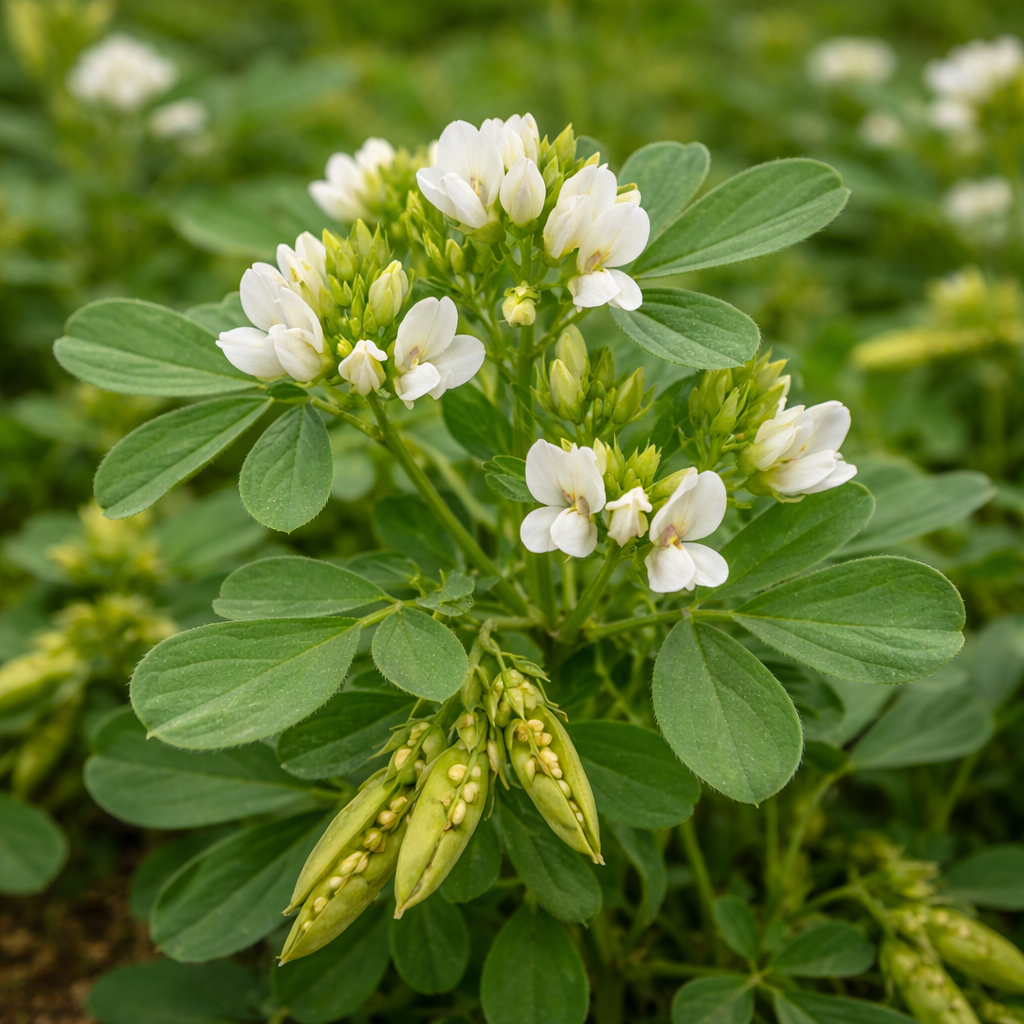
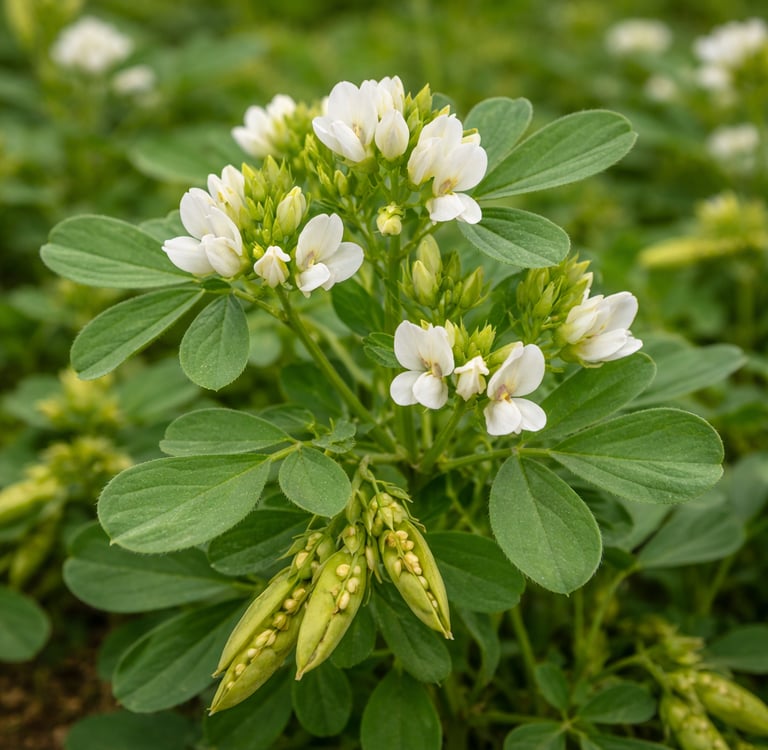
Fenugreek (Trigonella foenum-graecum) is a small annual plant belonging to the legume family (Fabaceae). Native to the Mediterranean region, the Middle East, and South Asia, the plant produces long pods containing aromatic seeds.
These fenugreek seeds are the primary medicinal and culinary portion of the plant.
Fenugreek seeds have been used historically to support digestion, blood sugar balance, and reproductive health. They are also commonly used as a spice in many traditional cuisines, including Indian and Middle Eastern cooking.
Today, fenugreek is commonly available in whole seeds, powders, capsules, tinctures, and extracts.
The Benefits of Fenugreek
Supports Healthy Blood Sugar Balance
One of the most well-known benefits of fenugreek is its ability to support healthy blood sugar levels. Fenugreek seeds contain high amounts of soluble fiber, particularly a compound called galactomannan, which helps slow the absorption of carbohydrates in the digestive tract.
When carbohydrates are absorbed more gradually, blood sugar levels tend to rise more slowly and remain more stable after meals. Maintaining balanced glucose levels plays an important role in metabolic health, energy regulation, and long-term wellness.
By supporting glucose metabolism and slowing carbohydrate absorption, fenugreek may contribute to improved blood sugar balance when combined with a healthy diet and lifestyle.
Supports Digestive Health
Fenugreek contains fiber and mucilage compounds, which create a soothing, gel-like substance when mixed with water. This mucilage helps coat and protect the lining of the digestive tract.
Because of these soothing properties, fenugreek has traditionally been used to support digestive comfort and maintain healthy intestinal function.
The fiber found in fenugreek seeds also helps support healthy bowel movements by promoting stool bulk and supporting intestinal motility, which contributes to balanced digestive rhythms.
Supports Hormonal Balance
Fenugreek contains plant compounds known as saponins and phytoestrogens, which may influence hormone signaling pathways in the body. These compounds interact with receptors involved in endocrine communication and metabolic regulation.
Balanced hormone metabolism plays an important role in reproductive health, mood stability, energy levels, and metabolic function.
Because of these properties, fenugreek has traditionally been used to support hormonal balance and overall vitality.
Supports Healthy Cholesterol Levels
Some research suggests that fenugreek may help support healthy cholesterol metabolism. The soluble fiber found in fenugreek seeds may help reduce the absorption of certain lipids in the digestive tract.
Maintaining balanced cholesterol levels is important for cardiovascular health and the proper functioning of blood vessels.
By supporting lipid metabolism and cardiovascular balance, fenugreek may contribute to maintaining healthy cholesterol levels.
Supports Appetite Regulation
The fiber content of fenugreek seeds may help promote feelings of fullness after meals. When fiber absorbs water and expands in the stomach, it slows digestion and helps prolong satiety.
This effect may help reduce excessive hunger and support healthy appetite regulation throughout the day.
Balanced appetite signals play an important role in maintaining metabolic health and supporting healthy weight management.
Supports Lactation
Traditional herbal medicine has long used fenugreek to support milk production in breastfeeding individuals. Fenugreek is commonly included in herbal formulas designed to support lactation.
Certain compounds in fenugreek may influence hormones involved in milk production, helping support the body’s natural lactation processes.
Because of this traditional use, fenugreek remains one of the most widely used herbs for supporting breastfeeding mothers.
Provides Antioxidant Protection
Fenugreek seeds contain antioxidant compounds such as flavonoids, polyphenols, and alkaloids that help protect cells from oxidative stress.
Free radicals are unstable molecules that can damage cellular structures and contribute to inflammation and aging.
By helping neutralize these molecules, the antioxidants found in fenugreek support cellular protection, tissue health, and long-term metabolic balance.
How Fenugreek Works (Science + Physiology)
Fenugreek seeds contain a range of bioactive compounds including galactomannan fiber, steroidal saponins, flavonoids, and alkaloids.
One of the most important compounds is galactomannan, a soluble fiber that slows carbohydrate digestion and helps regulate blood sugar levels.
Fenugreek also contains diosgenin, a plant compound that has been studied for its influence on hormone metabolism.
Additionally, the seeds contain 4-hydroxyisoleucine, an amino acid that may help support insulin signaling and glucose regulation.
Together, these compounds contribute to fenugreek’s effects on metabolic balance, digestion, hormonal regulation, and cardiovascular health.
Spiritual + Energetic Perspective
In traditional herbal energetics, fenugreek is considered a warming and nourishing herb.
Its warming qualities are believed to stimulate digestion and metabolic activity while supporting the body’s natural vitality.
Fenugreek has long been associated with nourishment and strengthening the body during periods of recovery or physical demand.
From a holistic perspective, the herb supports balance between digestive health, metabolic energy, and reproductive vitality.
How to Use Fenugreek
Fenugreek can be used in several herbal preparations.
Common Forms
Fenugreek is available as:
Whole seeds
Powder
Capsules
Tinctures
Herbal teas
Standardized extracts
Fenugreek Tea
Fenugreek tea can be prepared by:
Adding 1 teaspoon of fenugreek seeds to hot water.
Steeping for 10–15 minutes.
Straining and drinking once or twice daily.
Powder Use
Fenugreek powder can be added to:
Smoothies
Herbal blends
Culinary dishes
Warm beverages
Typical daily amounts range from 500 mg to 2 grams, depending on the preparation.
Culinary Use
Fenugreek seeds are commonly used as a spice in curries, stews, and spice blends.
Safety, Side Effects, and Precautions
Fenugreek is generally considered safe when used appropriately.
Excessive intake may cause digestive discomfort.
Individuals with blood sugar conditions should consult a healthcare professional before use.
Those taking blood-thinning medications should use caution.
Pregnant individuals should avoid high medicinal doses.
Always follow recommended dosages.
When used responsibly, fenugreek is considered a safe traditional herbal remedy.
Tips for Beginners
If you’re new to fenugreek, consider these tips:
Start with small doses to assess tolerance.
Use fenugreek tea or powder for easy incorporation into daily routines.
Combine with herbs like cinnamon or ginger for metabolic support blends.
Choose high-quality organic fenugreek seeds or extracts.
Use consistently over time for best results.
Final Thoughts
Fenugreek is a versatile traditional herb known for supporting metabolic health, digestion, and hormonal balance. Its unique combination of fiber, plant compounds, and antioxidant molecules helps regulate blood sugar, support digestive function, and promote overall wellness.
Rather than forcing rapid metabolic changes, fenugreek works by supporting the body’s natural systems that regulate metabolism and energy balance.
When used thoughtfully and consistently, fenugreek can play an important role in maintaining digestive health, metabolic stability, and long-term vitality.

Explore
Discover the latest in psychedelics, spirituality, and holistic practices.
Connect
MystiConnect Email:
Owners@MystiConnect.com
© 2026. All rights reserved.
Disclaimer:
The information provided on this website is for informational purposes only and is not intended as medical advice. We are not doctors, and none of the products or statements have been evaluated by the FDA. Always consult with a healthcare professional before starting any new health regimen.
Terms of service
Mystiphone... Coming Soon!