Explore And Heal Your Mind soul and body here at MystiConnect!

Cayenne: The Circulatory Fire Herb for Heart Health, Metabolism, and Rapid Relief
When circulation is sluggish, digestion feels cold, or pain feels stuck, the body often needs movement and warmth, not suppression. Cayenne is one of herbal medicine’s most powerful circulatory stimulants—used for centuries to activate blood flow, support the heart, improve digestion, and deliver fast-acting relief when systems feel stalled. This article explores what cayenne is, its science-backed benefits, how it works in the body, and how to use it safely for circulation, metabolism, and acute support.
Landon Thorne
12/30/20252 min read
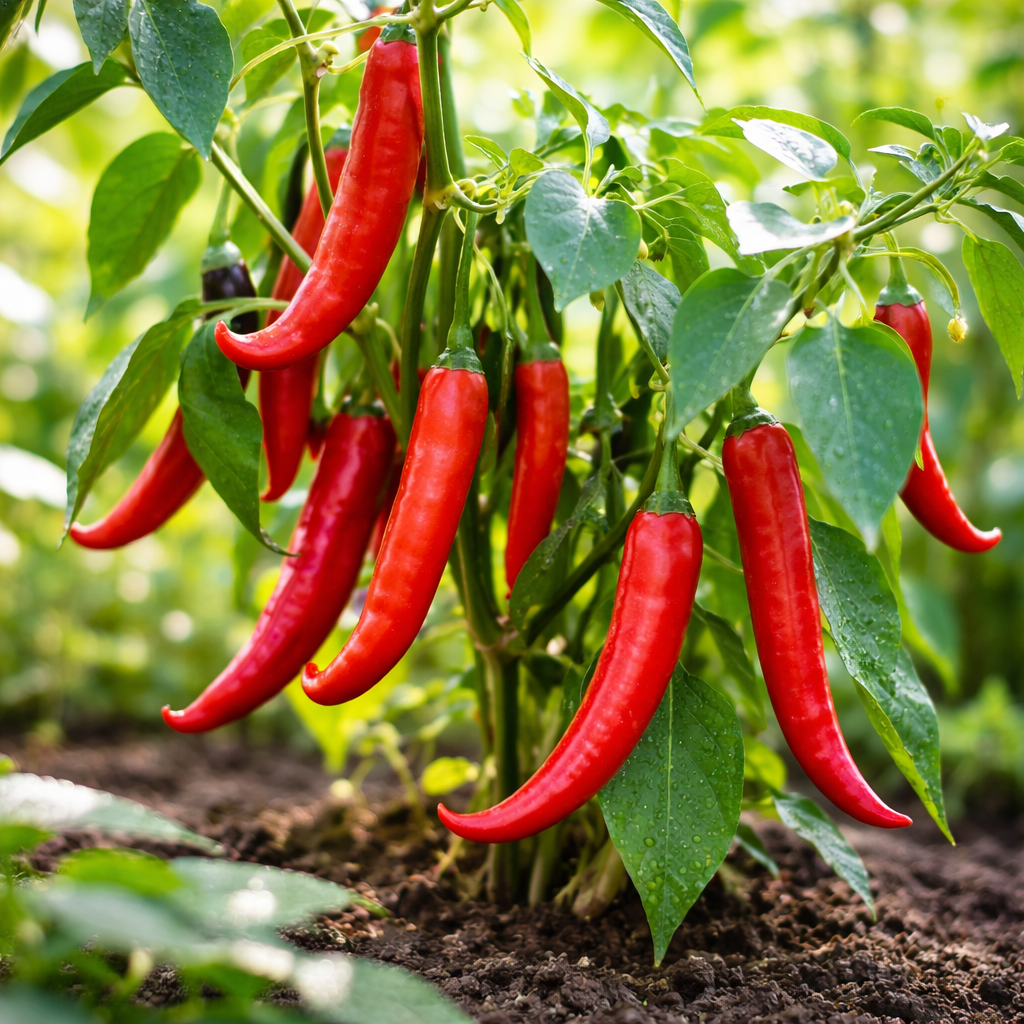
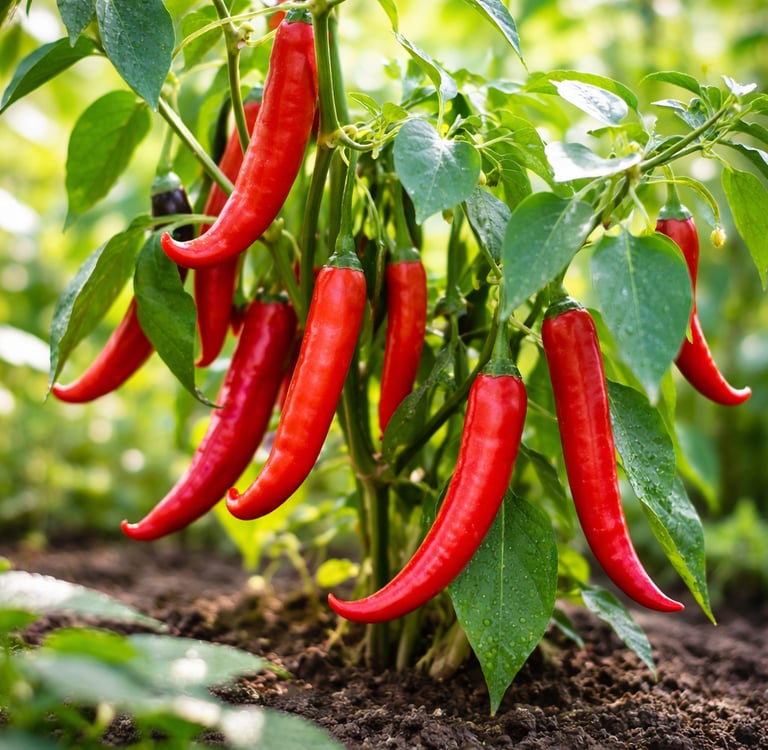
What Is Cayenne?
Cayenne (Capsicum annuum) is a hot chili pepper native to Central and South America. The fruit—used fresh, dried, or powdered—is the medicinal part.
Cayenne is classified as a circulatory stimulant, digestive activator, and catalyst herb. Rather than acting as a nutrient tonic, cayenne improves the delivery and effectiveness of other therapies by rapidly increasing blood flow and nerve signaling.
The Benefits of Cayenne
Rapidly Improves Circulation
Enhances blood flow to the heart, brain, and extremities.
Supports Heart Health
Strengthens cardiovascular tone and supports healthy blood pressure patterns.
Activates Digestion and Metabolism
Stimulates digestive secretions and improves nutrient assimilation.
Relieves Pain Through Nerve Modulation
Used topically and internally for joint, muscle, and nerve discomfort.
Supports Weight and Metabolic Health
Enhances thermogenesis and energy expenditure.
Supports Respiratory Function
Improves circulation to the lungs and helps clear congestion.
Enhances Effectiveness of Other Herbs
Often used as a “catalyst” to increase absorption and action.
Provides Emergency Herbal Support
Traditionally used in acute situations to rapidly restore circulation.
How Cayenne Works (Science + Physiology)
Cayenne’s primary active compound is capsaicin, along with carotenoids, flavonoids, and vitamins A and C.
Capsaicin activates TRPV1 receptors—heat and pain receptors on sensory neurons. This causes an initial warming sensation followed by vasodilation, increasing blood flow and oxygen delivery to tissues.
Capsaicin also modulates substance P, a neurotransmitter involved in pain signaling. Repeated exposure reduces substance P availability, which explains cayenne’s ability to reduce pain perception over time, especially when used topically.
In the digestive system, cayenne stimulates gastric secretions, bile flow, and pancreatic enzymes, improving digestion and metabolic efficiency. In the cardiovascular system, it improves capillary integrity and helps prevent blood stagnation.
Rather than masking symptoms, cayenne restores movement—of blood, nerves, and energy.
Spiritual + Energetic Perspective
Energetically, cayenne is fiery, activating, and transformative. It strongly stimulates the root and solar plexus centers—associated with survival energy, digestion, courage, and action.
Spiritually, cayenne is used when someone feels stuck, cold, fearful, or stagnant. It ignites inner fire and decisiveness, helping energy move forward again.
Cayenne teaches that healing sometimes requires heat, courage, and momentum.
How to Use Cayenne
Common Forms
Powdered spice
Capsules or tablets
Liquid tincture
Topical creams and salves
Typical Dosage
Powder: ¼–½ teaspoon daily (divided doses)
Capsules: 500–1,000 mg daily
Tincture: 5–30 drops, 1–3 times daily
Best Time to Take It
With meals for digestion
In the morning for circulation and metabolism
Short-term for acute needs
Cayenne is often used in small, consistent doses rather than large amounts.
Safety, Side Effects, and Precautions
Start very low—cayenne is potent
May cause digestive burning if overused
Avoid with active ulcers or severe GERD
Use caution with blood-thinning medications
Avoid touching eyes or sensitive areas
Topical use may cause skin irritation
Tips for Beginners
Start with capsules if heat sensitivity is high
Combine with hawthorn for heart-focused formulas
Pair with ginger for digestive warmth
Use consistently but modestly
Think “activation,” not excess
Final Thoughts
Cayenne is a medicine of movement. Its unmatched ability to activate circulation, enhance digestion, and deliver rapid relief makes it one of the most powerful tools in herbal medicine—especially when stagnation is the root problem.
Used wisely, cayenne doesn’t burn—it awakens.

Explore
Discover the latest in psychedelics, spirituality, and holistic practices.
Connect
MystiConnect Email:
Owners@MystiConnect.com
© 2026. All rights reserved.
Disclaimer:
The information provided on this website is for informational purposes only and is not intended as medical advice. We are not doctors, and none of the products or statements have been evaluated by the FDA. Always consult with a healthcare professional before starting any new health regimen.
Terms of service
Mystiphone... Coming Soon!