Explore And Heal Your Mind soul and body here at MystiConnect!
Blue Lotus: The Sacred Flower for Relaxation, Dreaming, and Emotional Opening
When the nervous system feels guarded, creativity feels blocked, or sleep lacks depth and emotional richness, the body may benefit from gentle psycho-emotional softening rather than sedation. Blue Lotus has been revered for thousands of years as a sacred flower of relaxation, sensual awareness, and dreamlike consciousness—supporting calm presence while subtly opening perception. This article explores what blue lotus is, its benefits, how it works in the body, and how to use it safely for relaxation, emotional balance, and dream-enhanced awareness.
Landon Thorne
12/30/20252 min read
What Is Blue Lotus?
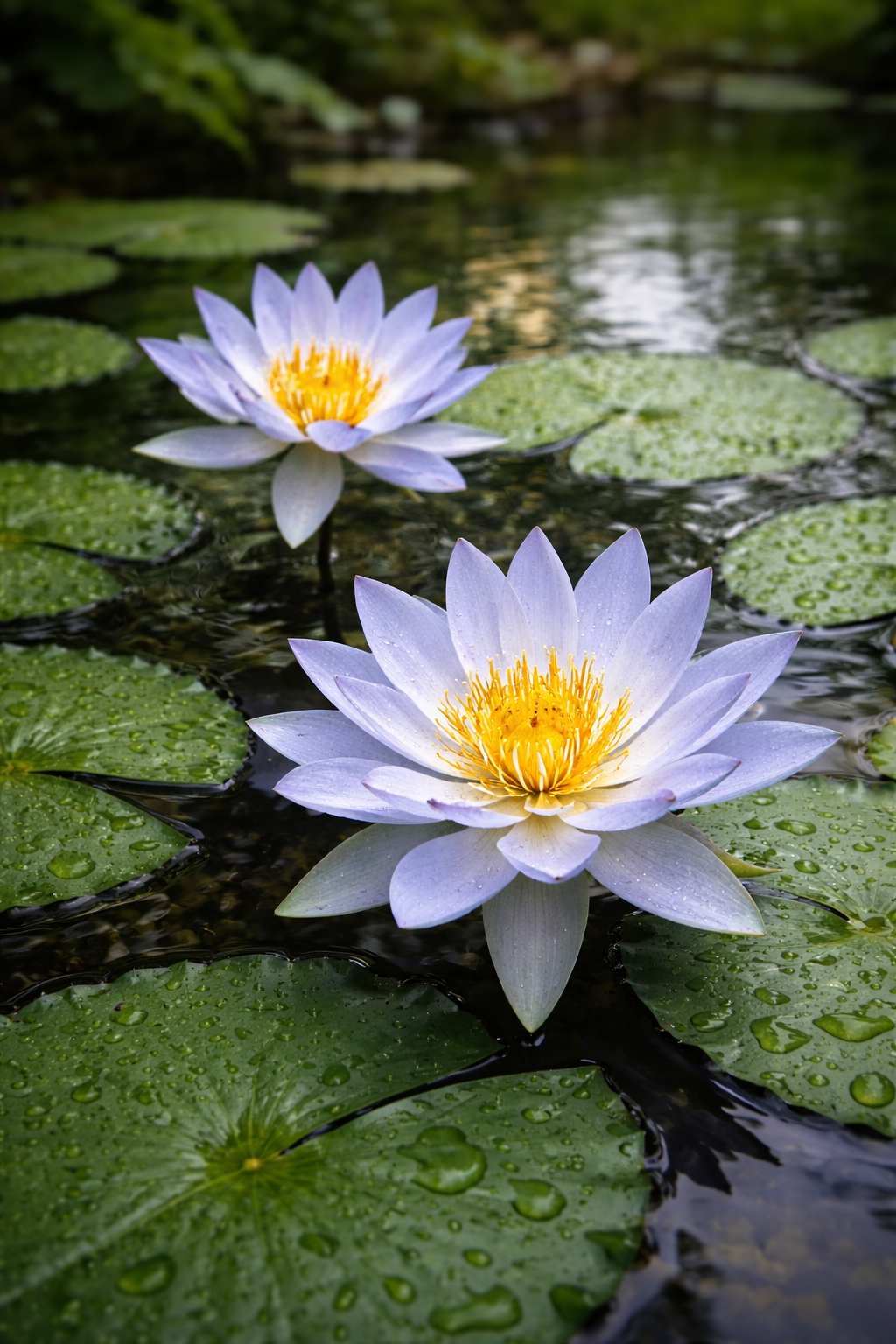
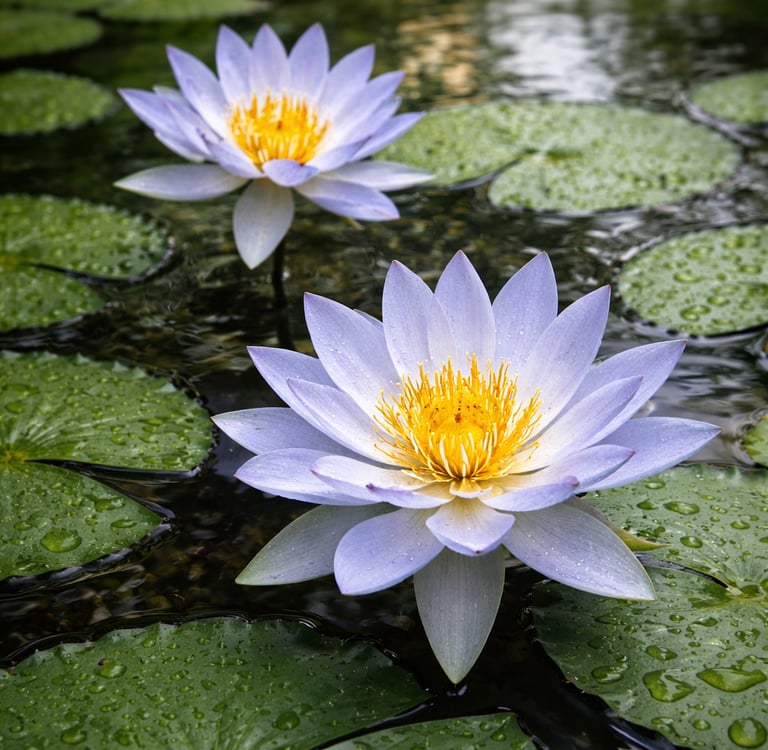
Blue lotus (Nymphaea caerulea) is a water lily native to the Nile region and parts of East Africa. The flowers and petals are the medicinal and ceremonial components.
Blue lotus is classified as a mild nervine, anxiolytic, and visionary herb. It was widely used in ancient Egyptian spiritual, medicinal, and ritual practices to promote relaxation, pleasure, and communion with subtle states of consciousness.
The Benefits of Blue Lotus
Promotes Deep Relaxation
Calms the nervous system without heavy sedation.
Enhances Dreaming and Inner Imagery
Traditionally used to deepen dream states and symbolic awareness.
Supports Emotional Openness
Encourages gentle emotional release and heart-centered awareness.
Reduces Stress and Tension
Helps soften stress patterns held in the body and mind.
Supports Sleep Quality
Promotes ease into sleep, especially when anxiety is present.
Enhances Sensual Awareness
Historically associated with pleasure, creativity, and embodiment.
Supports Meditation and Ritual Practices
Used to facilitate presence and introspection.
Mild Mood-Lifting Effects
Supports calm uplift without stimulation.
How Blue Lotus Works (Science + Physiology)
Blue lotus contains several bioactive compounds, most notably apomorphine and nuciferine, along with flavonoids and alkaloids.
Nuciferine interacts with dopamine and serotonin receptors, contributing to blue lotus’s calming yet emotionally opening effects. Apomorphine has mild dopaminergic activity, which may enhance mood, pleasure, and dreamlike cognition without overstimulation.
Together, these compounds gently influence the limbic system, the brain’s emotional and memory center, explaining blue lotus’s reputation for enhancing dreams, emotional processing, and relaxed awareness.
Its effects are subtle, dose-dependent, and best appreciated slowly, making it more of a consciousness-support herb than a sedative or stimulant.
Spiritual + Energetic Perspective
Energetically, blue lotus is opening, heart-softening, and liminal. It supports the heart and third-eye centers—associated with emotional flow, imagination, and inner vision.
Spiritually, blue lotus has long symbolized rebirth, transcendence, and divine awareness. In ancient Egypt, it was associated with the sun, cycles of death and rebirth, and communion with higher states of consciousness.
Blue lotus teaches receptivity—allowing insight, emotion, and awareness to unfold naturally.
How to Use Blue Lotus
Common Forms
Tea or infusion
Tincture
Smoking or vaporizing dried petals (traditional use)
Infused wine or honey (ceremonial)
Typical Dosage
Tea: 1 cup in the evening
Tincture: 1–3 ml once daily
Smoking: Small amounts only
Best Time to Take It
Evening or before sleep
Before meditation or journaling
Occasional or ceremonial use
Blue lotus is best used intentionally and intermittently, not as a daily supplement.
Safety, Side Effects, and Precautions
Avoid during pregnancy and breastfeeding
Use low doses—effects are subtle
May cause mild dizziness at higher doses
Not recommended before driving or operating machinery
Use only high-quality, properly identified sources
Not intended for long-term daily use
Tips for Beginners
Start with tea for the gentlest experience
Use in a calm, intentional setting
Pair with journaling or dream tracking
Avoid combining with alcohol or sedatives
Respect it as a consciousness-modulating herb, not a sleep aid
Final Thoughts
Blue lotus is a flower of softening and remembrance. By calming the nervous system, opening emotional awareness, and enhancing dreamlike perception, it offers a gentle gateway into deeper states of presence and introspection.
Rather than forcing relaxation or insight, blue lotus invites surrender—allowing calm, creativity, and inner vision to emerge naturally.

Explore
Discover the latest in psychedelics, spirituality, and holistic practices.
Connect
MystiConnect Email:
Owners@MystiConnect.com
© 2026. All rights reserved.
Disclaimer:
The information provided on this website is for informational purposes only and is not intended as medical advice. We are not doctors, and none of the products or statements have been evaluated by the FDA. Always consult with a healthcare professional before starting any new health regimen.
Terms of service
Mystiphone... Coming Soon!