Explore And Heal Your Mind soul and body here at MystiConnect!

Are Herbal Extracts Safe?
Herbal extracts are powerful tools—but safety comes from how they’re used, not from the fact that they’re “natural.” When chosen correctly and used with intention, herbal extracts are among the safest long-term healing tools available. When misunderstood or misused, they can cause unwanted effects. This foundational guide explains what makes herbal extracts safe, where risks actually come from, and how to use extracts responsibly for effective, long-term healing.
Landon Thorne
12/31/20252 min read
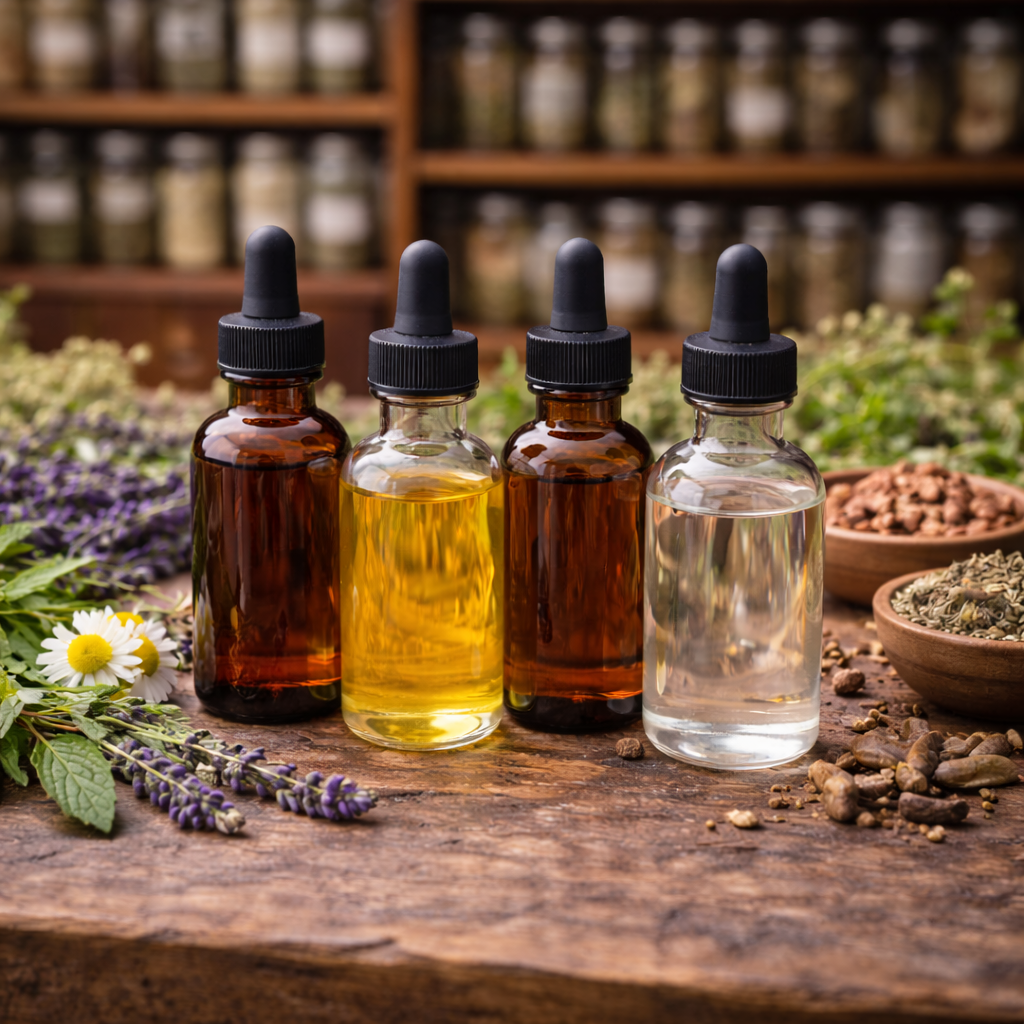
What Are Herbal Extracts?
Herbal extracts are concentrated preparations made by pulling medicinal compounds from plants using a solvent such as:
Alcohol
Glycerin
Water
Vinegar
Extracts are more potent than raw herbs or teas, which means they require greater awareness—but not fear.
Why Herbal Extracts Have a Strong Safety Record
Herbal medicine has been used safely for thousands of years, across cultures and continents. Modern science now confirms several reasons for this safety profile.
1. Whole-Plant Synergy
Whole-plant extracts contain balancing compounds that:
Buffer strong actions
Reduce toxicity
Prevent extreme effects
This internal “checks and balances” system is absent in many isolated compounds.
2. Regulatory Rather Than Suppressive Action
Most herbal extracts:
Modulate systems
Support balance
Respond to feedback loops
They do not force the body into one direction, which greatly reduces long-term harm.
3. Dose Flexibility
Unlike pharmaceuticals, herbal extracts allow:
Micro-dosing
Gradual titration
Individual adjustment
This adaptability is a major safety advantage.
Where Safety Issues Actually Come From
Herbal extracts are rarely dangerous on their own. Problems usually arise from how they’re used.
Incorrect Dosage
Too much too fast
High doses used long-term
Ignoring sensitivity
This can overwhelm the nervous system or digestion.
Wrong Herb for the Body
An herb that helps one person may worsen another if:
Energetics are mismatched
The nervous system is overstimulated
Detox capacity is low
This is a mismatch, not toxicity.
Poor Quality Products
Low-quality extracts may:
Be under-dosed or mislabeled
Contain contaminants
Use incorrect plant species
Quality matters more than the herb itself.
Drug Interactions
Some herbs interact with medications, especially those affecting:
Blood pressure
Blood sugar
Mood and neurotransmitters
Liver metabolism
This doesn’t make herbs unsafe—it means they must be used intelligently.
Alcohol Extract Safety Concerns (Clarified)
Alcohol-based tinctures often raise concern, but context matters.
Typical doses contain very small amounts of alcohol
Many people tolerate them well
Alcohol can be evaporated in hot water if needed
For most adults, alcohol extracts are not harmful when used properly.
Are Herbal Extracts Safe for Long-Term Use?
Yes—when they are designed for long-term use.
Herbs intended for chronic support (tonics, adaptogens, nervines) are generally:
Non-toxic
Gentle
Safe for extended use
Problems arise when acute or forceful herbs are used daily instead of tonics.
Signs an Extract Is NOT Right for You
Herbal extracts should feel supportive—not overwhelming.
Warning signs include:
Persistent nausea
Headaches
Increased anxiety or agitation
Fatigue or heaviness
Digestive upset
These are signals to reduce dose, change form, or stop—not push through.
Who Should Be Extra Cautious
Extra care is recommended for:
Pregnancy and breastfeeding
Children
People on multiple medications
Highly sensitive nervous systems
Liver or kidney disease
In these cases, professional guidance is advised.
How to Use Herbal Extracts Safely
Start Low
Begin with the smallest effective dose.
Increase Gradually
Let the body adjust before increasing.
Use the Right Form
Match tinctures, teas, or capsules to the situation.
Respect Duration
Acute extracts short-term. Tonics long-term.
Choose Quality
Source from reputable, transparent producers.
Safety comes from awareness, not avoidance.
Spiritual + Energetic Perspective
From a deeper perspective, herbs are not inert substances—they are relationships.
When used respectfully:
The body listens
Regulation improves
Healing unfolds naturally
When used aggressively:
The body resists
Symptoms increase
Signals are ignored
Safety emerges from listening, not control.
Common Myths About Herbal Safety
“Natural means harmless” → false
“Herbs are weak” → false
“More works faster” → false
“One protocol fits all” → false
Herbal medicine is safe because it is intelligent, not because it is passive.
Final Thoughts
Herbal extracts are safe when used the way they were meant to be used:
with intention, patience, and respect for the body’s feedback.
They are not shortcuts—but they are powerful allies for those willing to work with their physiology rather than override it.
When approached wisely, herbal extracts don’t increase risk.
They reduce it—by restoring balance, resilience, and long-term health.

Explore
Discover the latest in psychedelics, spirituality, and holistic practices.
Connect
MystiConnect Email:
Owners@MystiConnect.com
© 2026. All rights reserved.
Disclaimer:
The information provided on this website is for informational purposes only and is not intended as medical advice. We are not doctors, and none of the products or statements have been evaluated by the FDA. Always consult with a healthcare professional before starting any new health regimen.
Terms of service
Mystiphone... Coming Soon!